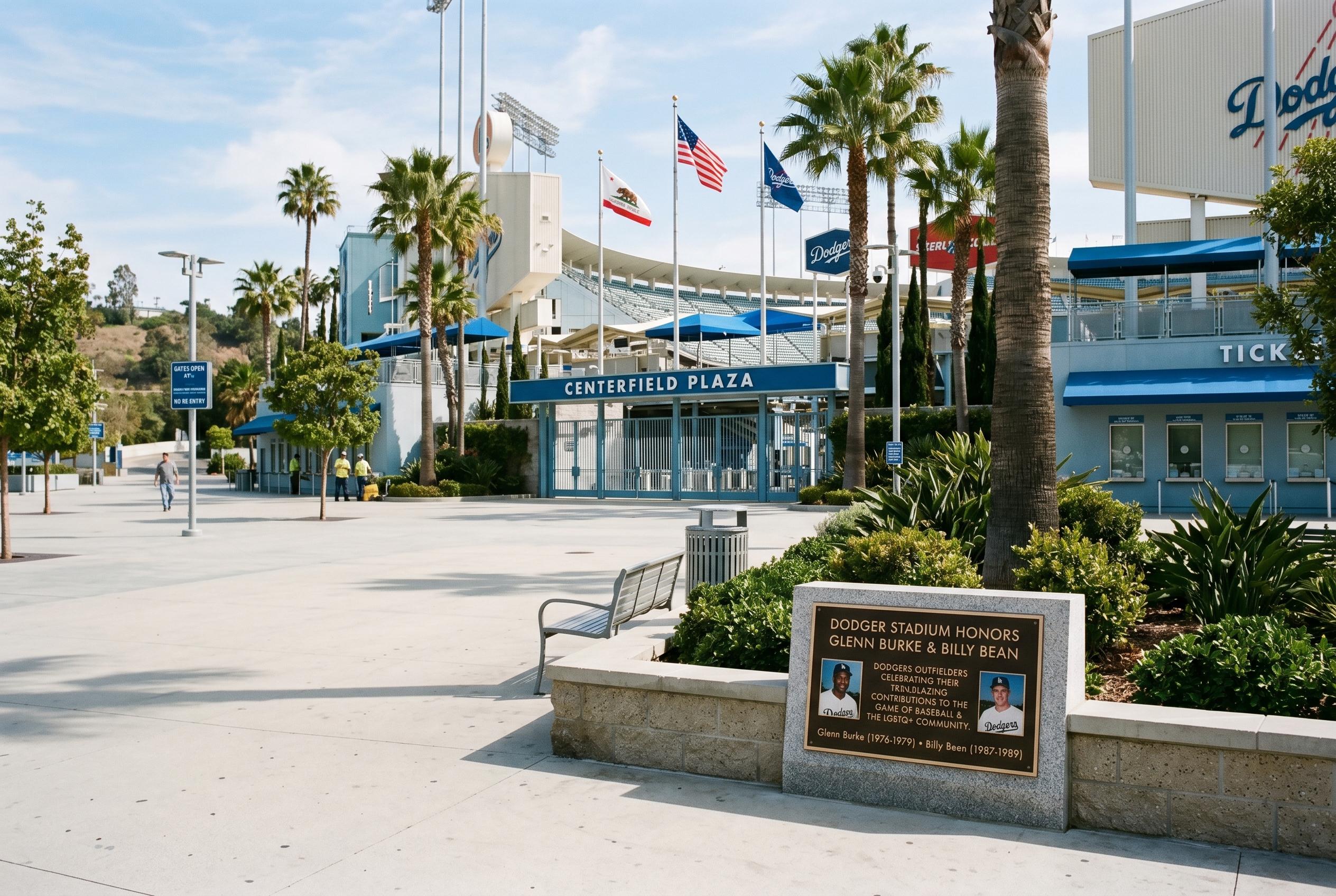
Celebrate with the Dodgers as they unveil a permanent exhibit at Dodger Stadium recognising LGBTQ trailblazers Glenn Burke and Billy Bean , a vivid, personal tribute that matters to fans, families and the wider baseball community on Pride Night.
Essential Takeaways
- Permanent display: Framed jerseys and photos of Glenn Burke (No. 3) and Billy Bean (No. 40) now sit in Centrefield Plaza, mounted against a rainbow mural and explanatory placards.
- Families present: Both players’ relatives attended the unveiling during the Dodgers’ 13th Pride Night, bringing warmth and emotional moments to the ceremony.
- Historic firsts: Burke came out publicly in 1982 after his playing career; Bean came out in 1999 and later served as MLB’s first ambassador for inclusion.
- Sensible design: The exhibit mixes personal keepsakes, action photos and context plaques , it feels intimate, respectful and easy for fans to approach.
- Community impact: The tribute is not just symbolic , it’s a public reminder that sports history includes LGBTQ pioneers, and that representation matters.
A visible, celebratory memorial right in Centrefield Plaza
The new exhibit greets fans with a splash of colour and familiar shapes: Burke’s No. 3 and Bean’s No. 40 in frames, a glossy baseball card and candid photos set against a sweeping rainbow. The effect is immediate , bright, human and a little nostalgic , and it makes the players feel present again. The Dodgers timed the reveal for Pride Night, a move that brought families, teammates and supporters together for a ceremony that was equal parts celebration and remembrance.
According to coverage in The Washington Post and MLB, the display includes placards that map each man’s career and contributions, so visitors don’t need a deep knowledge of baseball to understand why they matter. That accessibility is practical: fans can stand close, read the story and leave with a clearer sense of how Burke and Bean shaped the game.
Why this matters: history, inclusion and the symbolism of place
Glenn Burke’s story is both joyful and painful. He’s widely remembered for helping invent the high-five and for being the first major leaguer to come out as gay publicly in 1982, though that came after he’d retired. Billy Bean’s path was different but no less significant: he came out in 1999 and later became MLB’s first ambassador for inclusion, a role that led to broader institutional change across the sport.
Industry and local reporting emphasise how putting the tribute in Dodger Stadium transforms an often-overlooked corner into a teaching moment. It’s not just decoration; it’s a deliberate act of remembrance that says these lives and struggles belong in the public record.
The ceremony: family, friends and a few joyful moments
The unveiling was intimate rather than flashy. Families of both men were there; Joyce Burke Henderson, Glenn’s sister, captured the mood when she said he’d “be smiling” and probably giving a high-five. Greg Baker, Bean’s husband, told reporters it felt brave and important at a time when some organisations are pushing back against LGBTQ visibility.
MLB commentators noted tennis legend Billie Jean King narrated the short video presentation that accompanied the display, adding another layer of sports solidarity that helped the moment land with warmth and history.
What fans should know when they visit
If you’re heading to Dodger Stadium, the exhibit is easy to find in Centrefield Plaza and designed for a quick, reflective stop. Expect a mix of colour photos, framed jerseys and explanatory text , there’s no need to book time in advance. For families or younger fans, it’s a tidy way to introduce conversations about inclusion and the game’s history.
For collectors or memorabilia-minded visitors, seeing Burke’s baseball card and the framed jerseys up close is a rare treat. For anyone curious about context, the placards and short video provide enough background to spark further reading.
Bigger picture: sport remembers and reinterprets its past
Honours like this are part of a wider trend in sport to foreground previously sidelined stories. According to MLB coverage and reporting from outlets such as Fox Sports and Metro Weekly, the Dodgers’ decision reflects both fan interest and institutional willingness to preserve LGBTQ contributions to baseball history. It’s a small but meaningful step that other clubs and venues might follow.
There’s also a forward-looking note: memorials anchored in public spaces encourage conversations and signal to current players and staff that they’re seen. That’s a quiet kind of progress, practical and human at once.
It's a small change that can make every fan's visit feel more inclusive and every cheer a little more informed.
Source Reference Map
Story idea inspired by: [1]
Sources by paragraph: