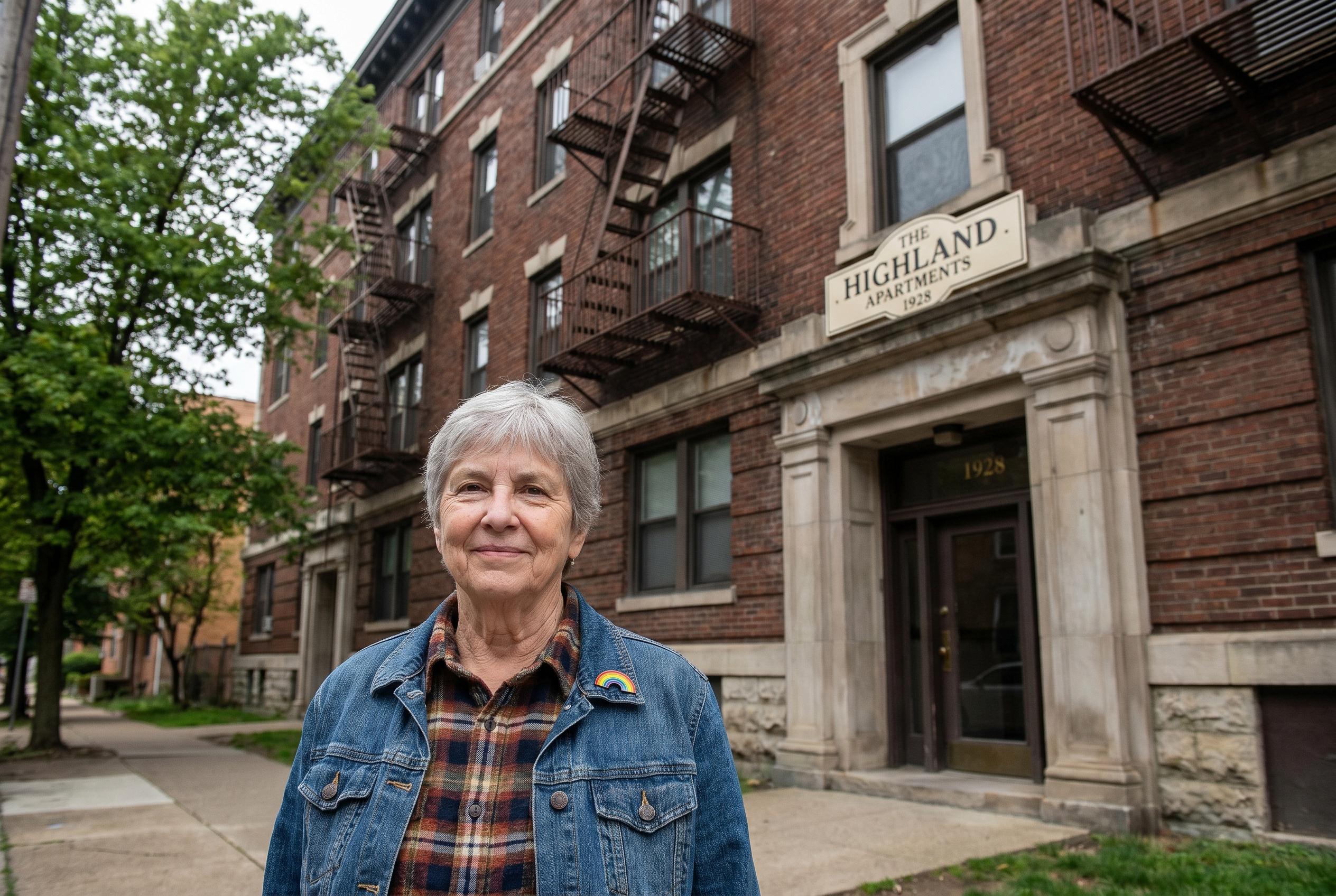
Celebrate the quiet, fierce reality that one person can be a whole family; LGBTQ Families Day spotlights found, formed and chosen families , and today that includes people who live beautifully, vulnerably, and proudly as a family of one.
Essential Takeaways
- What it is: LGBTQ Families Day falls on the first weekday of June, between Mother’s and Father’s Day, to honour all parents and family forms.
- Family of one: Living alone can be a recognised family structure, not merely “single” or “alone,” with emotional depth and practical needs.
- Community ties matter: Chosen family, friends, niblings and local groups often substitute for biological ties; they provide support, ritual and belonging.
- Practical approaches: Small rituals, legal planning and local events help a solo household feel less invisible and better protected.
- Visibility impact: Celebrating solo families shifts perceptions and nudges services, policy and community outreach to be more inclusive.
Why LGBTQ Families Day matters right now
LGBTQ Families Day was created to broaden how we think about family, and the timing , early June, between the Mothers’ Day and Fathers’ Day rush , is deliberate. It’s a gentle shove against the idea that family must fit a two-parent mould, and it’s a useful moment to name the people who fall outside that template. Coverage from outlets like LGBTQ Nation has shown the day brings out heartfelt stories online, and events by groups such as GLAD underline how advocacy and celebration go hand in hand. For a person living alone, that recognition can feel like being seen, and it matters more than you might think.
What “family of one” actually looks like
Being a family of one isn’t just a demographic footnote; it’s a lived routine. Some people choose solitude, others arrive there by loss, estrangement or necessity , as one writer reflected about widowhood, fractured sibling relationships and distant cousins. But being solo often includes rituals: a weekly takeaway on Friday, a monthly video call with niblings, chores arranged to preserve time and peace. Those small sensory details , the smell of a favourite soup, the quiet of an evening ritual , build a home life as meaningful as any multi-person household.
How chosen family fills the gaps
People who live as a family of one rarely exist in isolation from community. Chosen family , friends, mentors, activist circles , supply shared holidays, emergency contacts and emotional labour. Organisations and online campaigns amplify these networks during LGBTQ Families Day, and local groups host events that let people swap stories and swap skills. The result is practical: someone to collect your mail, help with appointments, or simply turn up for dinner. If you haven’t yet made a plan for your chosen family, today’s a good day to start one.
Practical steps to make solo living safer and richer
If you’re a family of one, or you know someone who is, there are simple moves that help. Draw up legal paperwork: an advance directive, a power of attorney and a will so your wishes are clear. Build routines that anchor you , a monthly social commitment, a home ritual, a neighbourly check-in. Use community resources: GLAD and similar groups list events for LGBTQ Families Day and beyond, and online platforms frequently celebrate stories that normalise solo households. And don’t underestimate the power of saying “I need help” or “Will you be my emergency contact?” People want to be included; sometimes they just need to be asked.
Making visibility stick beyond a single day
Celebrating solo households during LGBTQ Families Day is a start, but the work is ongoing. Visibility nudges policy-makers and service providers to consider the needs of single-person households , from bereavement support to social prescribing for older adults. Media pieces and personal essays, like those that surface around the annual campaign, change public perception slowly but surely. If you’re part of a community group or an ally, amplify stories of family diversity, invite solo folks to planning tables, and create rituals that recognise them year-round.
It's a small change that can make every day feel more held.
Source Reference Map
Story idea inspired by: [1]
Sources by paragraph: