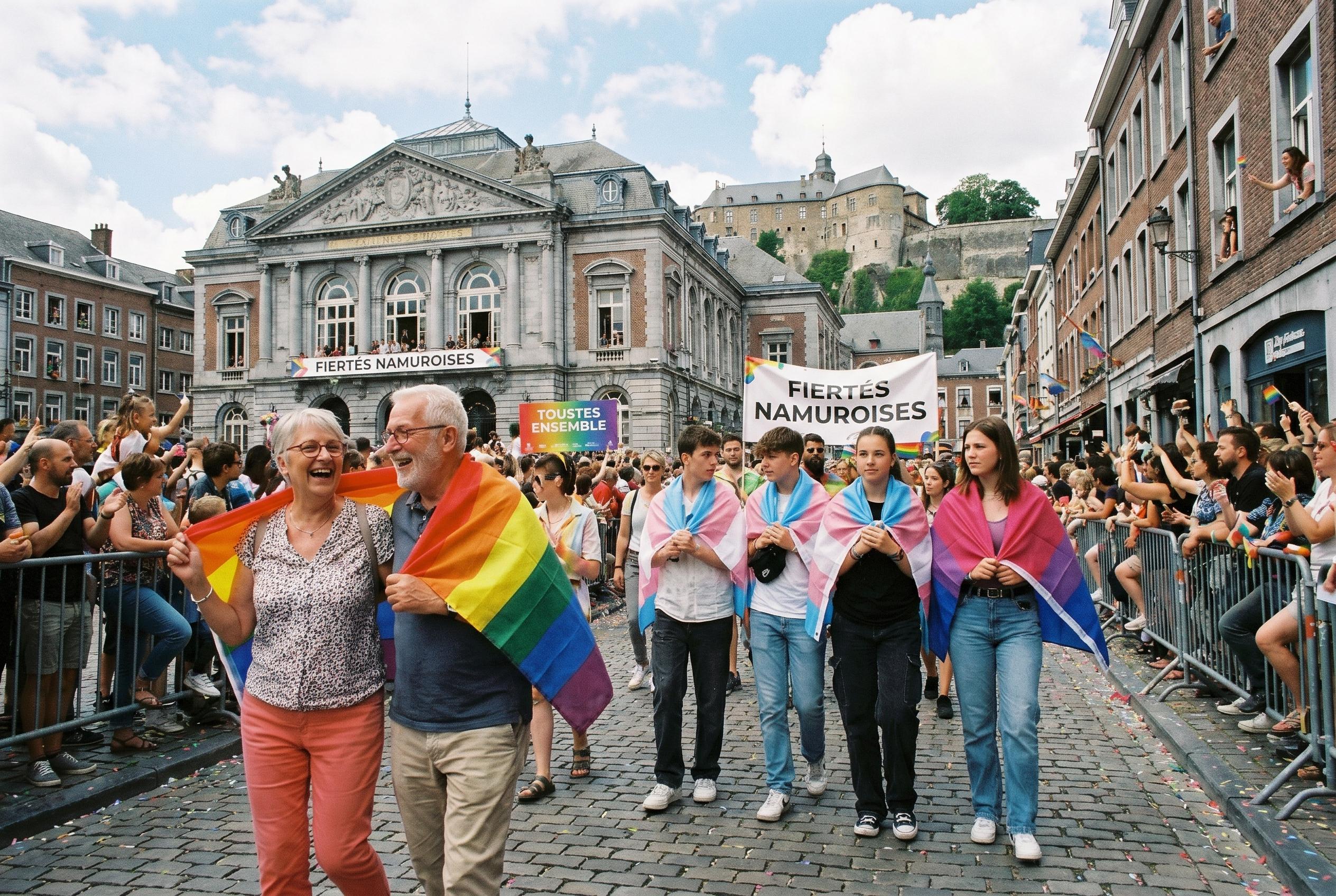
Shoppers and families turned out as Namur’s Pride brought together teens, seniors and everyone in between to celebrate identity, assert rights and push for everyday inclusion in Belgium’s Walloon capital. The colourful march mixed flags, music and practical outreach , and showed why Pride still matters for safety, belonging and simple recognition.
Essential Takeaways
- Multi‑generational turnout: Teens, parents and seniors marched together, creating a warm, varied atmosphere and visible solidarity.
- Flags with meaning: Beyond the rainbow, trans, intersex and non‑binary emblems were on display , a visual lesson in diversity.
- Practical outreach: Local associations set up information stands to demystify issues and offer support.
- Everyday stakes: Participants stressed Pride isn’t just a party , it’s about safety, rights and being able to live openly, at school, at work and in care homes.
- Local celebration with wider links: Namur’s event echoed regional and international Pride programming, from Brussels to Leuven.
A parade that felt like a neighbourhood reunion
Namur’s streets were bright with flags and laughter, and there was a pleasant, human hum , kids skipping, grandparents waving, a dog trotting along. The scene made clear that Pride here is as much about community as protest. Local media coverage noted people of all ages standing shoulder to shoulder, which made the event feel like a conversation across generations rather than a single demonstration.
That mix matters because visibility changes how people are treated day to day. Young people at the march explained flag symbolism and shared personal stories, and their presence reminded onlookers that Pride is also education , a way to teach neighbours what names and signs mean.
Young people leading with language and courage
Teenagers at the march weren’t just participants; they were teachers. They explained the blue, pink and white of the trans flag and the yellow‑purple intersex symbol, and they spoke frankly about harassment and the need for legal protections. One 15‑year‑old described Pride as a fight for the simple right “to have rights,” which sums up why public presence matters.
This educational angle reflects a broader trend: younger generations are more fluent in identity language and often push older institutions to catch up. For parents and schools, the message is practical , listen, learn the symbols, and make spaces safe.
Non‑binary and queer identities stepping out of the boxes
Several marchers used the platform to talk about life beyond the binary, and the mood was refreshingly frank. People described the limits of traditional labels and the relief that comes with finding a word that fits, or refusing to be boxed in at all. One marcher spoke about leaving a conservative family and, after a long journey, finding contentment in living openly.
That kind of testimony helps normalise non‑binary and queer experiences, and it points to how Pride is evolving: not just cheering rainbow flags but pushing cultural understanding. If you’re choosing how to refer to someone, a simple approach is to ask and then stick with the term they prefer.
Seniors showed up and reminded everyone that coming out is lifelong
A 77‑year‑old marcher carried a rainbow flag with obvious pride and purpose. For older participants, Pride is often personal , a marker of hard‑won freedoms and a reminder that discrimination can persist, especially in care settings. Groups advocating for older LGBTQIA+ people were at the gathering to raise awareness about issues in residential homes and the need for respectful policies.
Their presence is a reminder that inclusion must be institutional. If you have older relatives who are LGBTQIA+, check how local care providers handle privacy, partnerships and staff training , small questions that can make a huge difference.
Local Pride links to a broader calendar of events
Namur’s celebration followed a season of regional Pride activity, and organisers worked alongside associations that run workshops, feminist‑queer evenings and awareness stands. The format , march, stalls, then concerts , keeps the energy up while making space for information and support.
For readers wanting to get involved, look up local associations or municipal Pride listings. Volunteering at a stall, attending an information session or simply joining the march sends a clear message of everyday solidarity.
It's a small change that can make every street, workplace and care home a safer place to be yourself.
Source Reference Map
Story idea inspired by: [1]
Sources by paragraph: