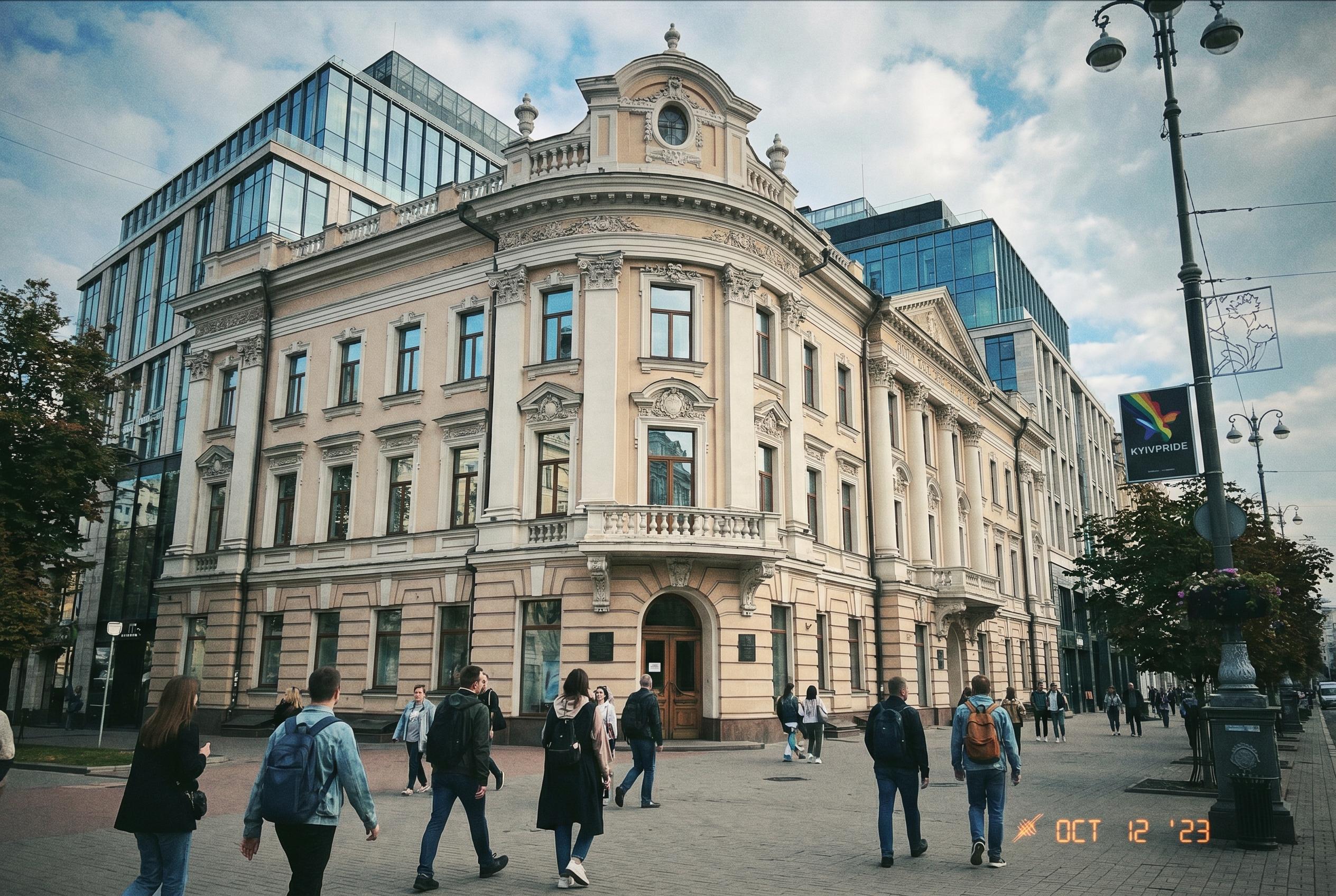
Shoppers and readers are discovering the quieter, urgent side of Pride: Mykhailo Yurov, a demiromantic project manager at KyivPride, explains how visibility, fundraising and security play out while Ukraine fights for its future , and why international support still matters for everyday queer organising.
Essential Takeaways
- Role explained: KyivPride runs year‑round campaigns and events; Yurov handles budgets, donor comms and major public gatherings.
- Funding reality: Mostly international grants from the EU and Western partners; little to no dedicated Ukrainian state support.
- Safety note: Organisers face organised, sometimes violent far‑right hostility, online doxxing and religiously framed abuse.
- Identity nuance: Demiromantic and pan/bisexual identities can be socially invisible, especially when relationships appear heterosexual.
- Community pressure: KyivPride is often expected to answer for unrelated public controversies, placing extra strain on a visible NGO.
Why a project manager’s day feels like frontline work
KyivPride’s public festivals and marches are the visible tip of an iceberg that Yurov helps keep steady, and the work has a tactile, small‑detail feel , spreadsheets, donor emails, permits, logistics. According to interviews and KyivPride materials, the organisation moved from volunteer bursts to a year‑round model after 2024, which meant hiring people like Yurov to professionalise planning. That practical shift matters because running safe public events in wartime adds layers: transport routes, police coordination and contingency budgets. If you’ve ever organised anything in a city that’s uneasy, you’ll recognise the constant low hum of vigilance.
Money talks: why international funding still runs the show
There’s no state line item for LGBTQI programmes in Ukraine, so KyivPride depends on foreign grants and partner foundations, with much support coming via the EU and other Western donors. This isn’t just an accounting footnote , it shapes priorities, timelines and public messaging. Yurov’s fundraising role involves navigating donor expectations while keeping grassroots relevance, and that balancing act can feel like tightrope walking when donor cycles don’t match urgent local needs. For readers weighing how to help, donating to vetted international queer funds or supporting organisations that build local capacity tends to be more useful than one‑off gestures.
Hostility has become organised, not merely grassroots
The counter‑protests KyivPride faces aren’t always spontaneous. Yurov describes organised groups that bring printed banners, coordinate travel between cities and, at times, get paid participants , behaviour that tips the scales away from casual neighbourhood prejudice toward coordinated opposition. Online harassment comes in waves: doxxing, Telegram calls to target volunteers, and religious language used to justify abuse. That makes security planning an essential line item and explains why organisers travel discreetly during Pride season. It’s a reminder that visibility and vulnerability are in tension , and that safe public space needs active protection.
Identity in the margins: demiromantic and the invisible labels
Demiromantic, a term not widely recognised in Ukraine, sits at the intersection of private feeling and public assumption. Yurov’s experience shows how some identities become invisible when relationships look heteronormative, while others , gay and trans people whose lives are more visible , face more direct targeting. That invisibility isn’t neutral: it affects access to services, community recognition and how people frame their safety. For queer readers and allies, it’s worth learning the language beyond gay and lesbian; it helps make advocacy more inclusive and less presumptive.
When a single organisation stands in for a whole community
Because KyivPride is prominent, it often gets asked to respond to issues far beyond its remit , everything from public figures’ conduct to national politics or military policy. Yurov points out how that expectation burdens staff and skews public perception: an NGO becomes shorthand for every queer voice in the country. It’s a common pattern internationally, but in wartime Ukraine the stakes are higher. Practically, that means supporters should temper demands, respect organisational mandates and remember that visibility can be both a shield and a pressure cooker.
Closing line It’s a small change to pay attention to the quieter work behind Pride , it makes public celebration safer, fundraising smarter and community care more sustainable.
Source Reference Map
Story idea inspired by: [1]
Sources by paragraph: