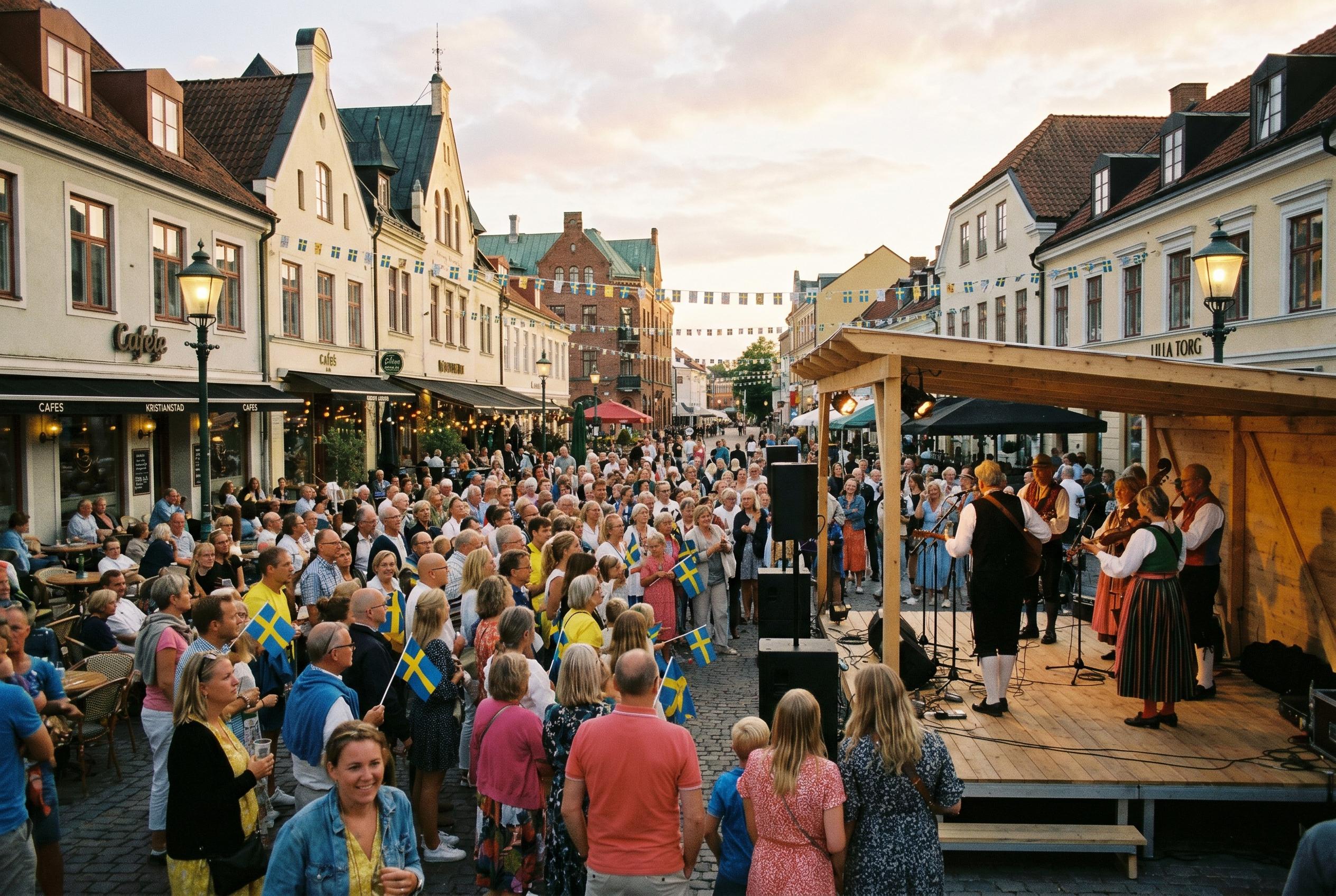
Shoppers are turning out in rainbow waves in Kristianstad as hundreds marched through town for Pride, a brighter, longer parade that organisers and participants say mattered more than ever for visibility, solidarity and safety. This roundup captures who showed up, what happened and why it still counts.
Essential Takeaways
- Bigger turnout: Organisers estimate around 500–600 participants, up from about 300 at the last parade, with 31 organisations and workplaces represented.
- Family presence: People of all ages joined, from toddlers and grandparents to drag performers and club teams, creating a warm, colourful atmosphere.
- Local leadership: RFSL Kristianstad, Regnbågsträffar and ABF co-organised the event with public figures and local clubs taking visible roles.
- Mood mix: Joy and celebration mixed with serious messages about safety, acceptance and rising online hate in some places.
- After-party culture: The day ended with an opera performance and evening Pride party, keeping the feeling communal and festive.
A brighter, longer march , and it felt necessary
This year’s Pride parade in Kristianstad was noticeably longer and louder, a visual rush of hats, banners and umbrellas that stopped people on their Saturday errands. According to local organisers, the crowd was larger than in the previous event, and the sight of families, friends and clubs walking together brought a tangible feeling of relief as well as cheer. Organisers and participants told reporters the growth underlines both increased acceptance and the ongoing need to be visible.
Who turned up and why it mattered
People came from all walks of life , students, sports clubs, faith groups, workplace teams and solo marchers in full drag , and many described personal reasons for being there. Some said they marched for friends or family who aren’t out, others to show solidarity with trans people, and a few simply because Pride makes them happy. Local voices stressed that while society is warmer in many ways, pockets of hostility remain, so public demonstrations still matter.
Organisers, performers and the politics of visibility
RFSL Kristianstad partnered with Regnbågsträffar and ABF to stage the event, and the day featured speeches and a short opera set led by national figures who framed Pride as both celebration and protest. According to organisers, 31 groups formally took part, from the Svenska kyrkan to IFK Kristianstad, signalling broad community backing. The mix of cultural performance and political messaging showed Pride’s dual role: festival and reminder that rights must be defended.
Small-town spectacle with local touches
There were charming, everyday moments along the route , hairdressers stepping into the street to cheer, friends dressing in individual rainbow colours, and grandparents holding children aloft for the spectacle. These details made the day feel intimate and rooted in the town’s streets, not just a staged event. For many attendees, the visible acceptance from neighbours and local businesses mattered as much as banners and speeches.
Practical tips if you want to join next time
If you’re thinking of attending a local Pride, go early to catch performances and the start of the march, dress for the weather (umbrellas double as colourful props), and consider joining an organisation so you march as part of a group. Respect space for vulnerable marchers, and expect a mix of celebration and advocacy , bring water, wear comfortable shoes, and be ready to listen as well as cheer.
It's a small change that can make every march feel safer and more welcoming.
Source Reference Map
Story idea inspired by: [1]
Sources by paragraph: