Shoppers for change and curious Catholics alike noticed something different at Katholikentag in Würzburg: queer worship and advocacy were visible, vocal and warmly attended, stirring debate about inclusion and the future of Church conversations. Here’s what happened, who organised it, and why it matters for Catholics watching reform movements closely.
Essential Takeaways
- High turnout: More than 200 people reportedly queued for and attended the queer worship service, signalling genuine interest and energy.
- Broad collaboration: The service was organised by #OutInChurch, diocesan groups and networks including the Federation of German Catholic Youth and the Network of Catholic Lesbians.
- Visible location: Held inside the Augustinian Monastery in Würzburg, the event mixed liturgy with public witness in a traditional sacred space.
- Ongoing friction: Groups involved have histories of tension with Church authorities, yet their presence reflects shifting grassroots conversations about sexuality and pastoral care.
A noticeable queue and a full church , what people saw in Würzburg
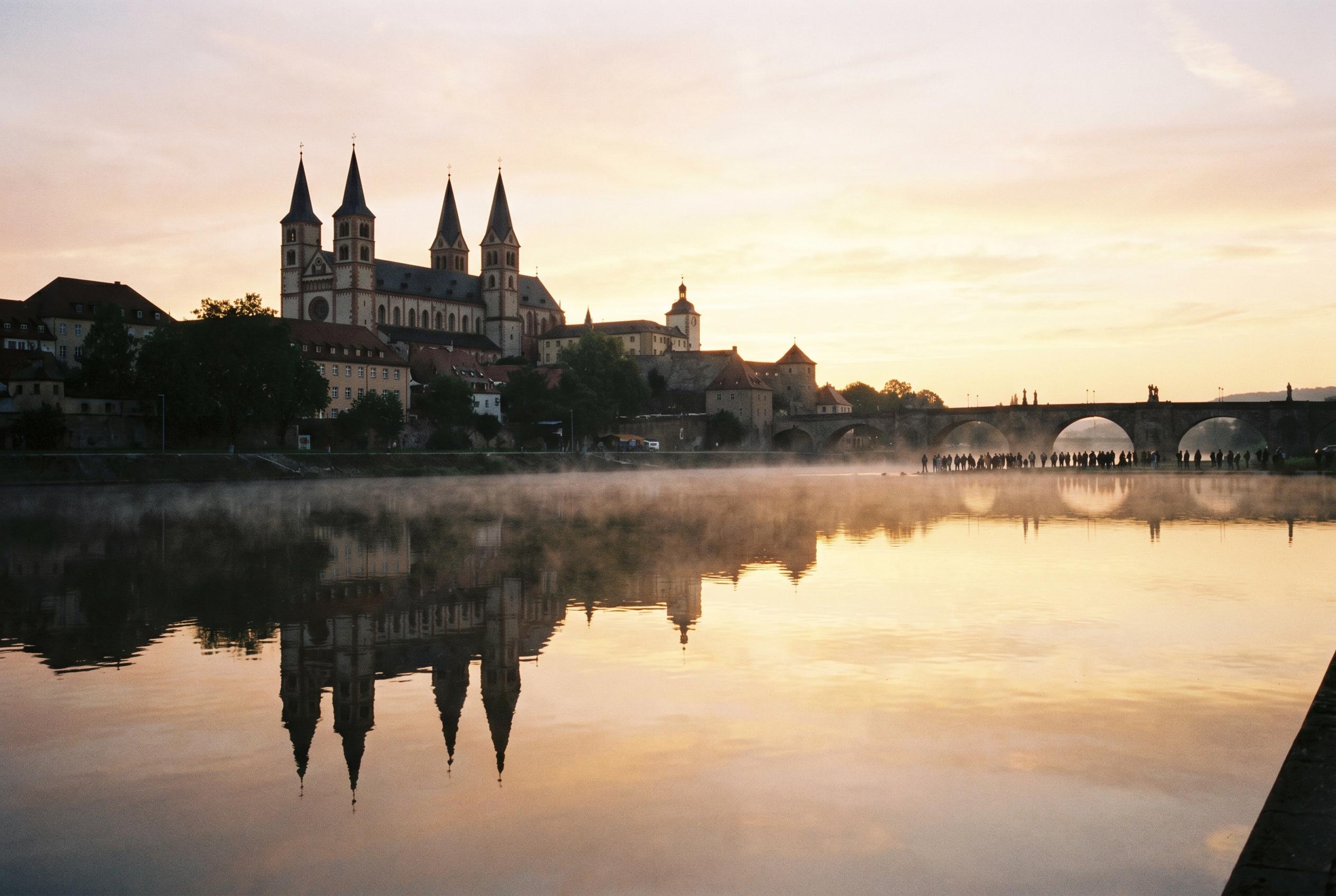
The opening image from the event was striking: a line of people waiting to enter a queer worship service, something that prompted cameras and conversation. Katholisch.de reported long queues, and the scene captured a sensory mix , murmured greetings, warm light in the Augustinian church, and a palpable sense of anticipation. For many attendees the service felt both familiar and new, because it blended traditional ritual with explicitly queer visibility.
Organisers and networks worked together to stage the event, so it felt less like an isolated meeting and more like a planned expression of identity and faith. The turnout suggested more than curiosity; people were seeking liturgical space that acknowledged their experience. For congregations and organisers, the visual of a crowded church is a tangible reminder that liturgical belonging matters.
Who organised it , coalitions and youth groups stepping up
This wasn’t a one-off from a single activist group. The service was prepared by a coalition: #OutInChurch, the Augustinian Monastery, the Federation of German Catholic Youth (BDKJ), the Network of Catholic Lesbians, the Ecumenical Working Group on Homosexuality and the Church (HuK) and local queer-and-Christian communities. Each partner brought something different: pastoral space, liturgical know-how, youth energy, or advocacy experience.
That mix helps explain why the event felt grounded rather than merely provocative. Renovabis and other Catholic organisations have been visible at Katholikentag in recent years, which shows how the festival has become a meeting ground for varied Catholic voices. If you’re watching how Catholic reform conversations spread, coalitions like this are the mechanisms that turn discussion into action.
The broader context , friction with Church authorities and historical echoes
Groups such as New Ways Ministry have long histories of tension with Vatican authorities over questions of sexuality and doctrine. New Ways Ministry itself has been the subject of notifications and public debate, even as figures associated with it have had private encouragement from higher-ranking clergy in the past. That background colours how people interpret queer presence at Katholikentag: some see pastoral outreach, others see dissent.
The presence of officially organised youth and diocesan groups complicates any simple narrative. It suggests that while doctrinal debates continue, pastoral impulses and local initiatives keep pushing for conversation. If anything, Katholikentag once again proved to be a forum where tensions are aired publicly rather than resolved quietly.
Why the choice of venue matters , Augustinian Monastery as a stage
Holding the worship inside the Augustinian Monastery gave the gathering a particular texture. Sacred architecture, quiet corners and the smell of old stone made the service feel rooted, not staged. That mattered to attendees who wanted recognition inside a consecrated space rather than a fringe meeting room.
For organisers, choosing a traditional venue signals a claim: that queer Catholics belong in the life of the Church’s worship, not outside it. If you’re deciding whether to attend something similar, consider the setting: a traditional church can lend liturgical gravitas and invite broader participation from people who might otherwise hesitate.
Practical takeaways for Catholics watching reform conversations
If you’re curious or cautious about what this means, here are simple things to keep in mind: check who’s organising events, look at venue and attendance as signs of momentum, and note whether youth groups are involved , young people often drive change. Also, remember the difference between pastoral initiatives and doctrinal statements; a well-attended worship service shows pastoral need, while official teaching shifts more slowly.
Katholikentag’s mix of worship, politics and public square debate makes it useful for anyone tracking Catholic life in Germany and beyond. Expect more public, visible gatherings that press for inclusion, even as institutional conversations continue in other forums.
It's a small change with a visible impact on how people imagine belonging in the Church.
Source Reference Map
Story idea inspired by: [1]
Sources by paragraph: