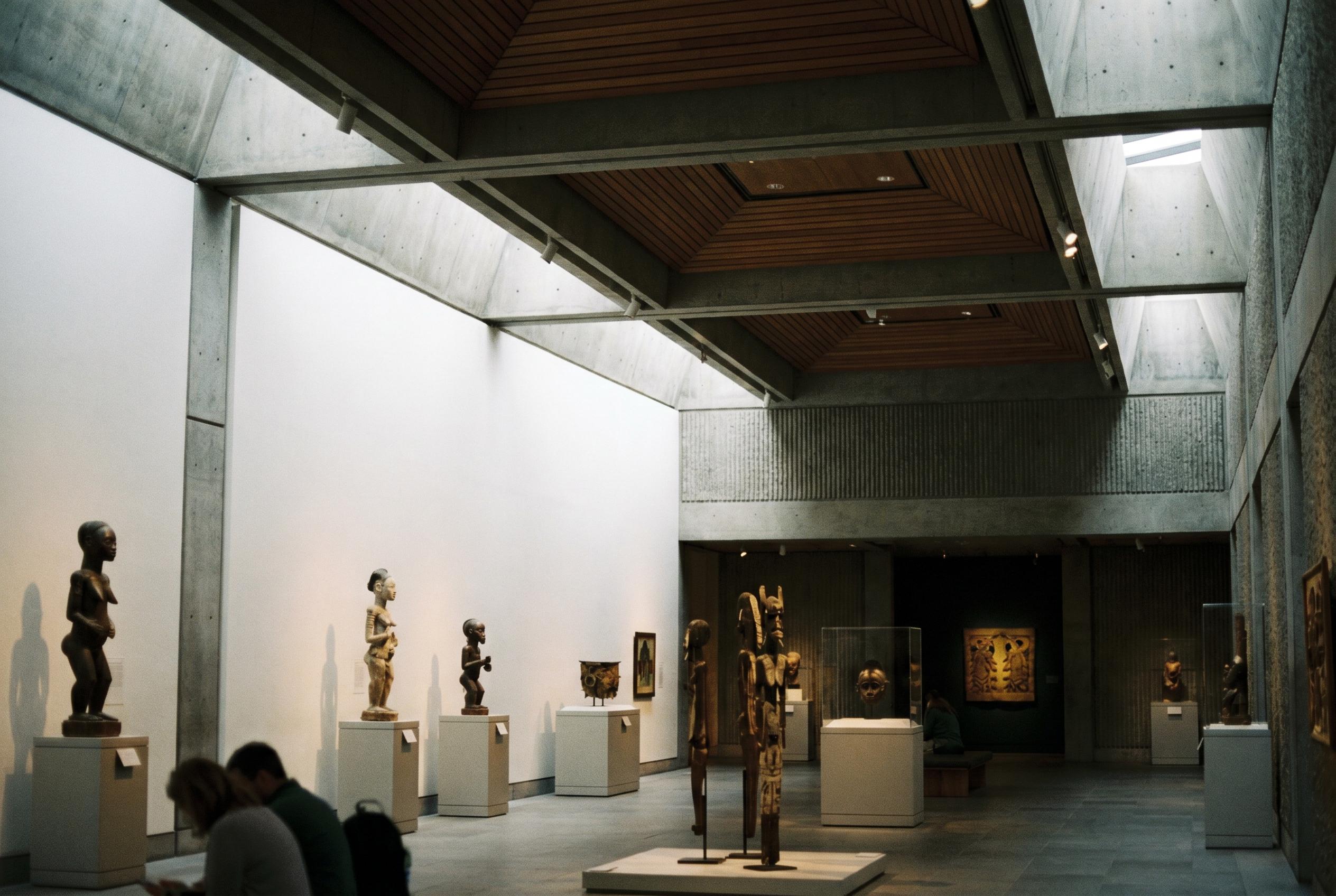
Spotlight a moment: visitors are flocking to the Smithsonian’s National Museum of African Art to see Here: Pride and Belonging in African Art, a vivid exhibition of 60 works by 30 LGBTQ+ artists from across Africa and its diaspora , free to enter and running through 23 August 2026.
Essential takeaways
- Free admission: The exhibition is on view at the National Museum of African Art with no entry fee.
- Diverse mediums: Expect painting, photography, sculpture, video and digital work, with both historic and contemporary pieces.
- Wide geographic scope: Curators deliberately included artists beyond the usual South Africa–Nigeria duo; voices from across the continent and diaspora are represented.
- Curated voices: Serubiri Moses and Kevin D. Dumouchelle co-curated the show to uncover under-told queer art histories.
- Events to catch: Panel conversations and a Solstice Celebration with DJs and live performance tie into Capital Pride weekend programming.
Why this exhibition matters , and what you’ll feel walking in
The first thing you notice is the colour and presence , some works are intimate and hushed, others loud and defiant; together they create a textured conversation about identity and belonging. According to the museum’s press materials, the show brings 60 works by 30 artists into one room, making visible histories that galleries have too often skimmed over. It’s a rare chance to see queer African perspectives in a major US institution, and that visibility feels quietly powerful.
How the show came together, and why the curators chose this moment
Curators Serubiri Moses and Kevin D. Dumouchelle have been blunt about their aim: to “uncover” queer strands already woven into African art history. Moses said he was keen to include countries beyond the usual highlights, so the display traverses the continent and its global diaspora. Dumouchelle framed the exhibition as a corrective, noting the importance of telling nuanced narratives so the art-historical canon expands rather than narrows.
Politics, postponement and a comeback
The exhibition was meant to open last summer alongside World Pride in Washington, D.C., but it was postponed amid a flurry of controversy and budget talk. The Smithsonian cited funding reasons at the time, while critics asked whether political pressure over “divisive” language played a role. Whatever the cause, the show has now opened and arrives in a climate where cultural institutions increasingly defend inclusive storytelling , a small but meaningful victory for artists and audiences alike.
Highlights to look out for , names that resonate
You’ll find familiar figures such as Zanele Muholi and Toyin Ojih Odutola alongside the work of Rotimi Fani‑Kayode, whose life and art were cut short by AIDS in 1989. The mix of generations gives the exhibition a layered feel: historic reference points sit near urgent contemporary voices. That range helps visitors map continuities across time, and it’s a reminder that queer creativity has always been part of African visual culture.
Practical tips for visitors
Go early or take a late slot during the Solstice Celebration for a livelier evening visit. Keep an eye on the museum’s events calendar , there’s a curator-and-artist panel in mid-June and performances timed with Capital Pride. If you prefer a quieter experience, weekday mornings are best; if you want community energy, arrive for the late-night programming, which blends DJs, live music and moving work on screen.
What this means for the future of museum storytelling
The exhibition feels like part of a gradual shift in museum practice: institutions are more willing to expand whose stories count and how they’re told. Seeing these works together in a national museum gives them context and weight, and it signals to other curators that queer African art belongs in mainstream conversations. For visitors, that change translates into more chances to see art that looks, speaks and loves like the world we actually live in.
It’s a small, bright change that makes every visit feel like a rediscovery.
Source Reference Map
Story idea inspired by: [1]
Sources by paragraph: