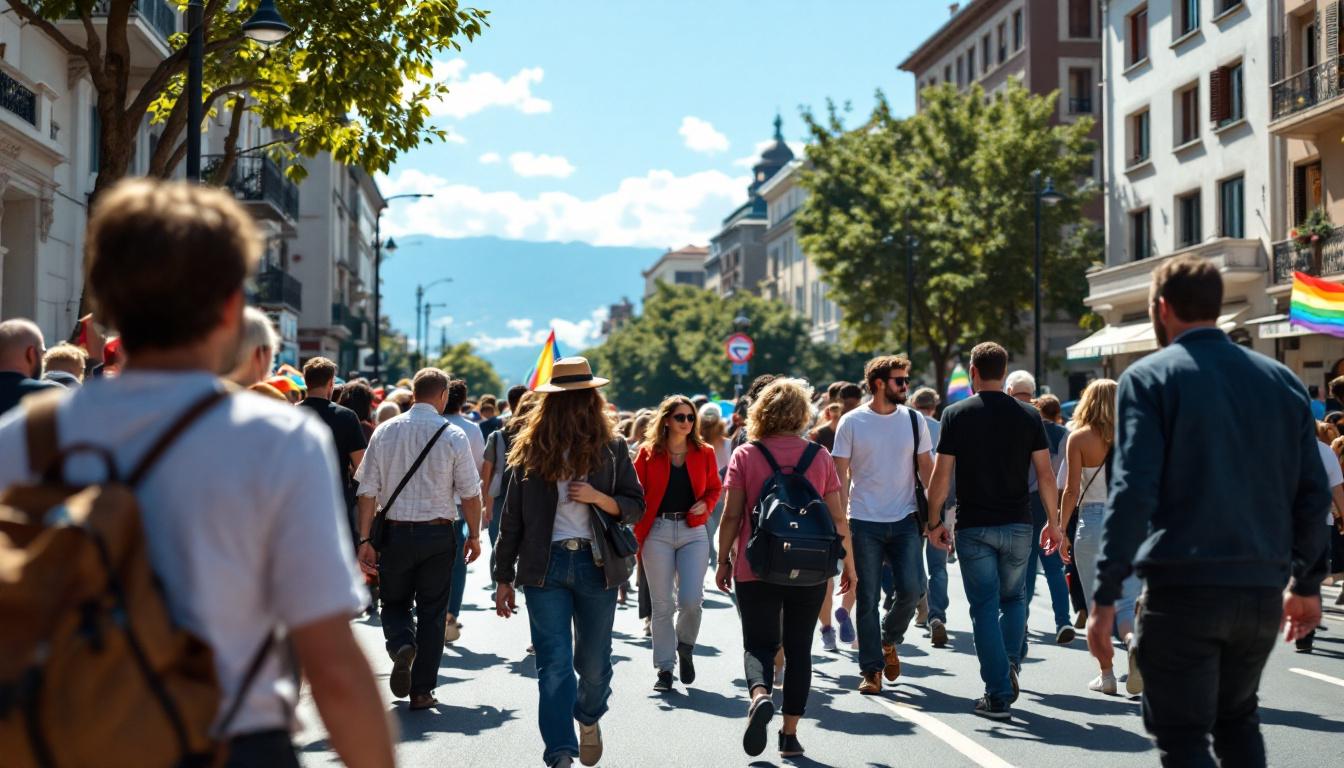
Shoppers, commuters and diplomats watched as Tirana’s main boulevard turned colourful on 23 May , Pride marchers carried rainbow flags and a clear message: family is love, not fear. The city’s “Together for Family” parade drew activists, allies and EU representatives to challenge disinformation and public hostility.
Essential Takeaways
- High turnout: Organisers and observers say the march brought activists, families and diplomats together for visible solidarity.
- Slogan with purpose: “Together for Family” was framed as a counter to hostile narratives, emphasising care and belonging.
- Visible allies: Government and EU figures joined, signalling institutional backing and public concern for rights.
- Quiet pressure remains: Activists point to rising hate speech, disinformation and reluctant supporters who fear speaking out.
- Practical mood: The event felt celebratory yet serious , banners, speeches and personal testimony underlined safety and dignity.
A vivid boulevard and a simple idea: family as care
The opening sight was striking: a long line of flags and banners flowing past the Cloud installation and down Dëshmorët e Kombit Boulevard, sprinkles of colour against a typically grey cityscape. For many onlookers the mood was celebratory, for activists it was a moral assertion , family, they said, is about care, not exclusion. According to citizen reporting, the march used visibility to turn an abstract debate into faces and human stories, which made the message harder to ignore. If you’ve never been to Pride in Tirana, imagine a quiet street suddenly alive, a soft hum of voices and the odd cheer as friends and families walked together.
A slogan pitched at the heart of the debate
“Together for Family” wasn’t chosen by accident. Organisers described it as both a rebuttal and an invitation , a way to say queer people are part of, not apart from, social life. Activists told local outlets they’re responding to a wave of disinformation and organised stigma that paints LGBTIQ+ people as threats to traditional values. That framing helps shift the conversation: rather than jargon about rights, it asks citizens to recognise everyday needs like safety and affection. For campaigners, it’s a practical tactic , soften language, widen appeal, and make the abstract tangible.
Diplomats, ministers and quiet solidarity
The parade drew more than grassroots groups; diplomats and officials were present too, underlining how LGBTIQ+ rights have become a diplomatic and public policy issue. EU representatives and government deputies attended, signalling international and institutional concern about inclusion. Observers noted this helps normalise support and can be useful when activists push for legal or educational changes. Still, organisers warned that public backing often masks private fear , many who agree with equality avoid marching because they dread social backlash.
Hate, silence and the information battle
Behind the music and banners lies a more fraught reality: organisers say the biggest threat isn’t diversity but the campaign of hate and misleading information that makes people afraid to be seen. Local activists described how disinformation has shaped public debate, feeding prejudice and keeping allies quiet. That’s why Pride organisers are doubling down on outreach and education, arguing that schools, media and civic institutions need better resources to counter false narratives. In the short term, visibility helps , seeing family members, friends and colleagues at a march can chip away at fear.
What this means for people and policy
The practical upshot is straightforward: visibility, diplomatic backing and public events create pressure for change, but they don’t erase fear overnight. Activists urged simple steps people can take: speak up in private conversations, support inclusive education, and attend community events if you can. For policymakers, the message was clear , legal protections need to be matched by public information campaigns and quick responses to hate speech. Looking ahead, organisers said the best outcome would be quieter progress: people living openly without daily fear and a culture that treats everyone’s family life as worthy of respect.
It's a small change that can make every relationship safer and more visible.
Source Reference Map
Story idea inspired by: [1]
Sources by paragraph: