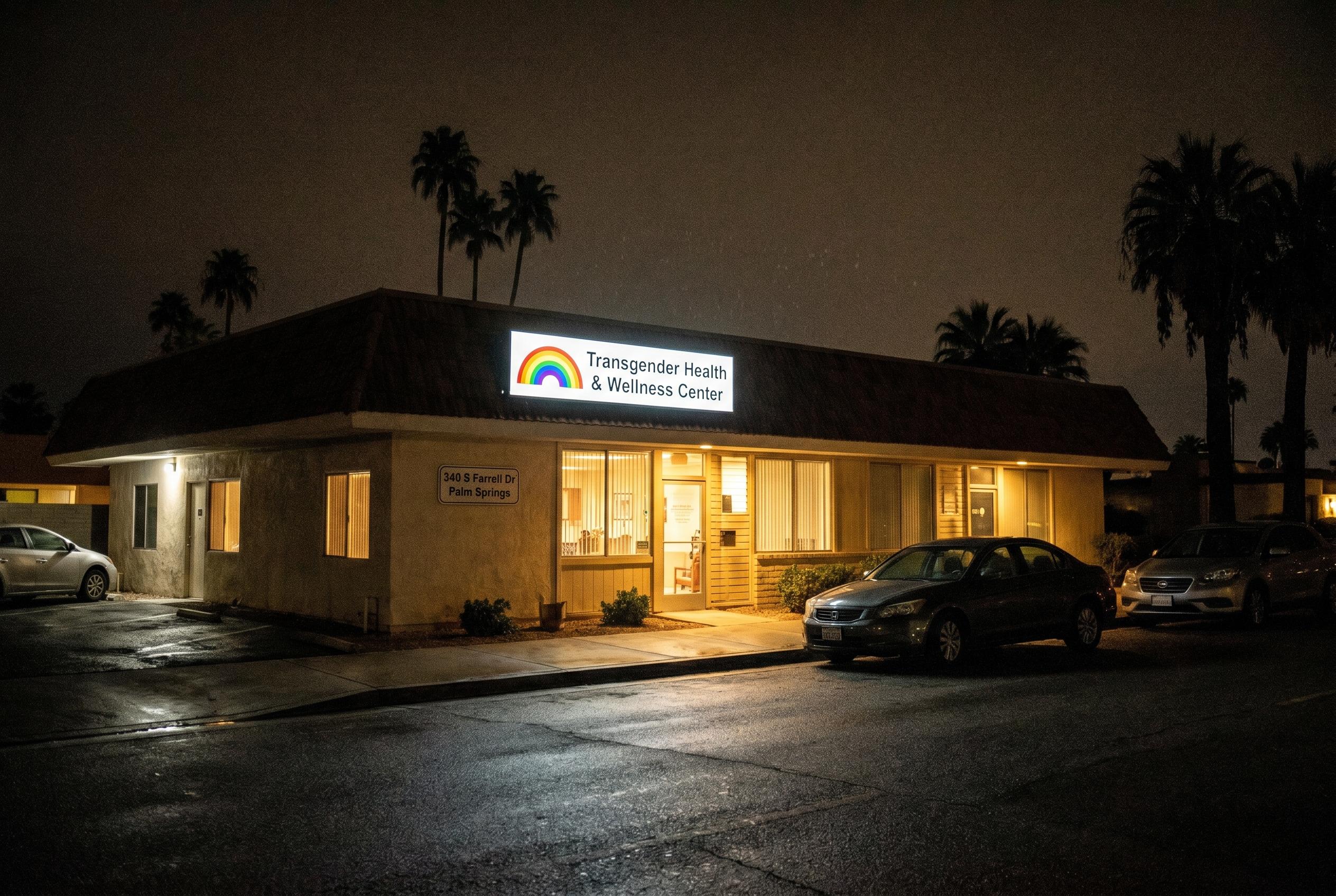
Shoppers and supporters turned out in force as the Transgender Health and Wellness Center held its third annual Pink Ball in Palm Springs, a boots-on-the-ground fundraiser helping people off the streets and into safe housing when traditional grants dry up.
Essential Takeaways
- Community-driven: The Pink Ball raised funds specifically for domestic violence support and rapid rehousing for transgender and gender-expansive people.
- Targeted services: Donations help provide immediate shelter, wellness navigation, and long-term housing placement, services that feel urgent and humane.
- Funding gap: Organisers say institutional grants have fallen, making local events essential to day-to-day operations.
- Practical impact: Money from the event goes straight into helping people exit homelessness, access safety, and stabilise their lives.
- Local momentum: The annual event is growing into a regional touchstone for LGBTQ+ support across the Coachella Valley.
Why a Pink Ball matters now: urgent needs meet local generosity
The strongest thing about the Pink Ball is its timing , hosts in Palm Springs staged the third annual fundraiser just as demand for specialised housing support kept climbing. According to organisers, the event’s proceeds feed programs that are literally life-changing: rapid rehousing and domestic violence services tailored for transgender and gender-expansive people. The room felt hopeful and determined, and the cash raised will go to shelters, case management and short-term housing assistance.
Community advocates point out that general homeless services don’t always meet the safety and dignity needs of transgender people, so targeted local efforts are crucial. Rapid rehousing models place clients into housing quickly, then wrap support around them, which helps people rebuild faster. If you’re wondering why this kind of event matters, think of it as emergency infrastructure , when larger funding sources recede, neighbours step in.
How rapid rehousing actually works , simple, fast, supportive
Rapid rehousing programs focus on getting people into homes quickly, then offering short-term rental assistance and support services while longer-term stability is arranged. Program pages from nonprofits across the country describe the same three-part approach: housing identification, short-term financial help, and case management. That’s exactly what organisers at the Transgender Health and Wellness Center are funding.
Practically, this means clients can move from crisis , a shelter, the street, or an unsafe situation , into a private apartment sooner, with staff helping with rental applications, landlord negotiation, and links to benefits and employment services. The emotional effect is immediate: privacy, safety and the chance to breathe. If you want to help, look for events that fund these specific components rather than general appeals.
The funding squeeze: why local events are picking up the slack
Organisers told reporters that institutional grants and traditional funding streams have tightened for transgender-focused services, a shift that’s left many groups relying more on grassroots giving. That’s why the Pink Ball isn’t just a party; it’s a practical response to a funding shortfall. Local donors and ticket buyers are filling gaps so caseworkers don’t have to turn people away.
This trend mirrors what other advocacy groups have flagged nationwide: as grant priorities shift, smaller organisations that deliver specialised care often see cuts first. For donors who want maximum impact, this context matters , money directed to targeted housing programmes typically converts into measurable outcomes quickly, like a household housed or a survivor stabilised.
What attendees and supporters can actually do next
If you went to the Pink Ball or want to support similar causes, practical actions work better than vague goodwill. Consider monthly giving to rapid rehousing funds, offering landlords a damage deposit guarantee, or volunteering time to help with furniture moves and onboarding. Small regular donations help organisations plan; one-off events raise emergency cash but can’t replace steady operating support.
Organisations also need in-kind help , toiletries, bedding, transport vouchers , and people who can mentor or help with job searches. When you choose where to give, look for clarity on how your donation will be used and whether the programme supports both immediate shelter and long-term housing stability.
Looking ahead: community-led resilience and the long view
The Pink Ball’s third year suggests a stabilising tradition rather than a one-off splash, and that matters. Community-led fundraisers create local ownership and visibility, and they keep services responsive to real needs. Organisers hope the event grows into an annual safety net that the valley can count on.
There’s also a broader lesson: when formal funding is unstable, civic generosity can be the difference between continuity and collapse. If you believe in dignified shelter and tailored care for transgender people, the simplest option is to turn up, give, or spread the word , and keep showing up next year.
It's a small change that can make every shelter stay safer and every move into a new home a fresh start.
Source Reference Map
Story idea inspired by: [1]
Sources by paragraph: