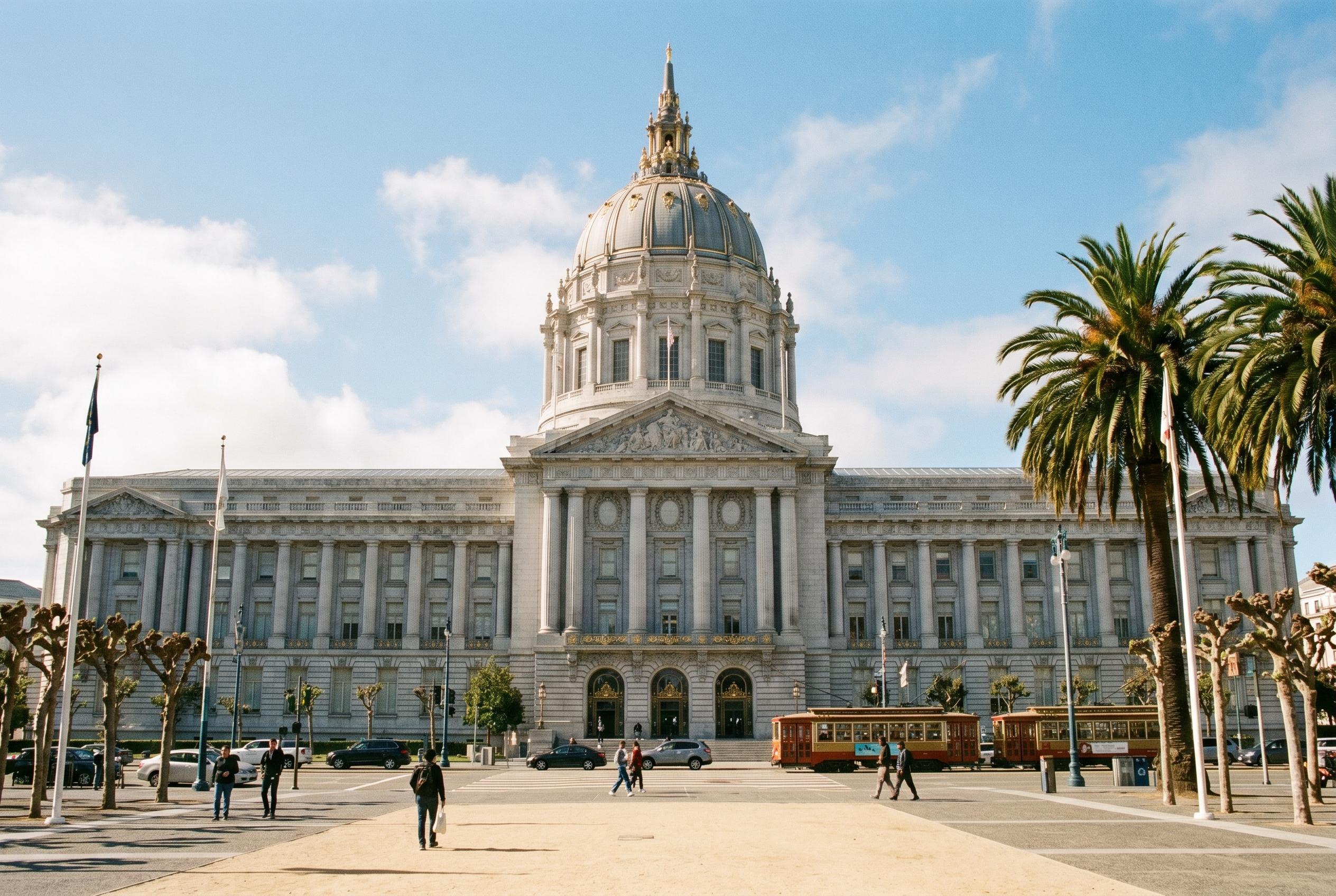
Celebrating visibility and activism, communities across the US use Harvey Milk Day to teach, remember and inspire; schools, city halls and grassroots groups mark May 22 with events, lessons and remembrance to keep Milk’s message of hope and civic courage alive.
Essential Takeaways
- Annual observance: May 22 is recognised widely as Harvey Milk Day, marked by proclamations and events across California and beyond.
- Education focus: Schools and community centres use the day for lessons on LGBTQ history and civic participation, often with guest speakers or curricula.
- Public recognition: Governors and local officials regularly issue proclamations; ceremonies often have a solemn yet hopeful tone.
- Community rituals: Pride centres, museums and neighbourhood groups host readings, vigils, film screenings and volunteer drives.
- Practical impact: The day emphasises visibility, anti-discrimination work and voter engagement, actions that translate into local policy momentum.
Why Harvey Milk Day still matters , a visible reminder with a soft, stubborn heart
Every year on May 22 people pause to recall a life that combined charm, strategy and steely courage, and the feeling is often unexpectedly intimate , a community humming with memory. According to state proclamations, California leaders frequently mark the date with formal recognition, signalling that Milk’s story remains part of civic life. For activists and teachers it’s a practical moment: an opportunity to connect a historic figure to contemporary fights over rights and representation. If you want to bring the day into your neighbourhood, start small , a reading, a classroom module or a plaque-cleaning , and expect it to feel both solemn and energising.
How schools and educators use the day to teach civic courage
Schools increasingly treat Harvey Milk Day as more than a symbolic anniversary; it’s a chance to teach students about representation and the responsibilities of citizenship. State and local education offices often provide resources or recommend classroom activities tied to the date, and community groups step in with speakers and workshops. For teachers the trick is to balance biography with context: pair Milk’s life with lessons on voting, local government and anti-discrimination law so young people see how choices translate into policy. Parents and staff can also use the day to check school climate and anti-bullying measures; it’s a useful lens for practical, age-appropriate discussion.
Proclamations and official ceremonies , what politicians signal
Governors and mayors regularly issue proclamations on May 22, and in California these statements have become something of a ritual. Such proclamations are short on policy detail but long on symbolism; they keep Milk’s name in public circulation and give community organisers a platform for events. Reuters-style coverage of civic rituals shows they matter: visibility from elected officials can legitimise local memorials and help attract funding for education and archives. If you’re organising an event, inviting a council member or getting a proclamation can help with publicity , but remember it’s the grassroots work afterwards that keeps change moving.
Community rituals: readings, screenings, vigils and volunteerism
Across cities people mark the day with a mix of quiet remembrance and noisy celebration. Libraries and queer centres often host documentary screenings and panel talks; churches and civic groups might hold vigils or interfaith readings. Museums and heritage groups use May 22 to display archives or run oral-history projects, giving visitors a tactile link to the past , photographs, letters, even the sleepy creak of an old voter registry. For organisers, blending reflection with action works best: pair a film with a voter-registration table or a volunteer drive so memory becomes momentum.
What organisers and families should consider , practical tips
If you’re planning an event, keep it accessible and concrete. Choose venues near public transport, provide trigger warnings for sensitive material, and offer resources for teachers and parents who attend. Think about audience: schools need curriculum tie-ins, while older community members often value storytelling and archival exhibits. Use social media to amplify personal stories , short video clips of older residents recalling Milk’s impact are surprisingly compelling. And finally, always include a call to civic action: registration forms, letters to councillors, or a plan for follow-up workshops.
It’s a small change to put Milk’s name on a calendar, but the ceremonies and lessons that grow from that day keep his message working in new hands and new neighbourhoods.
Source Reference Map
Story idea inspired by: [1]
Sources by paragraph: