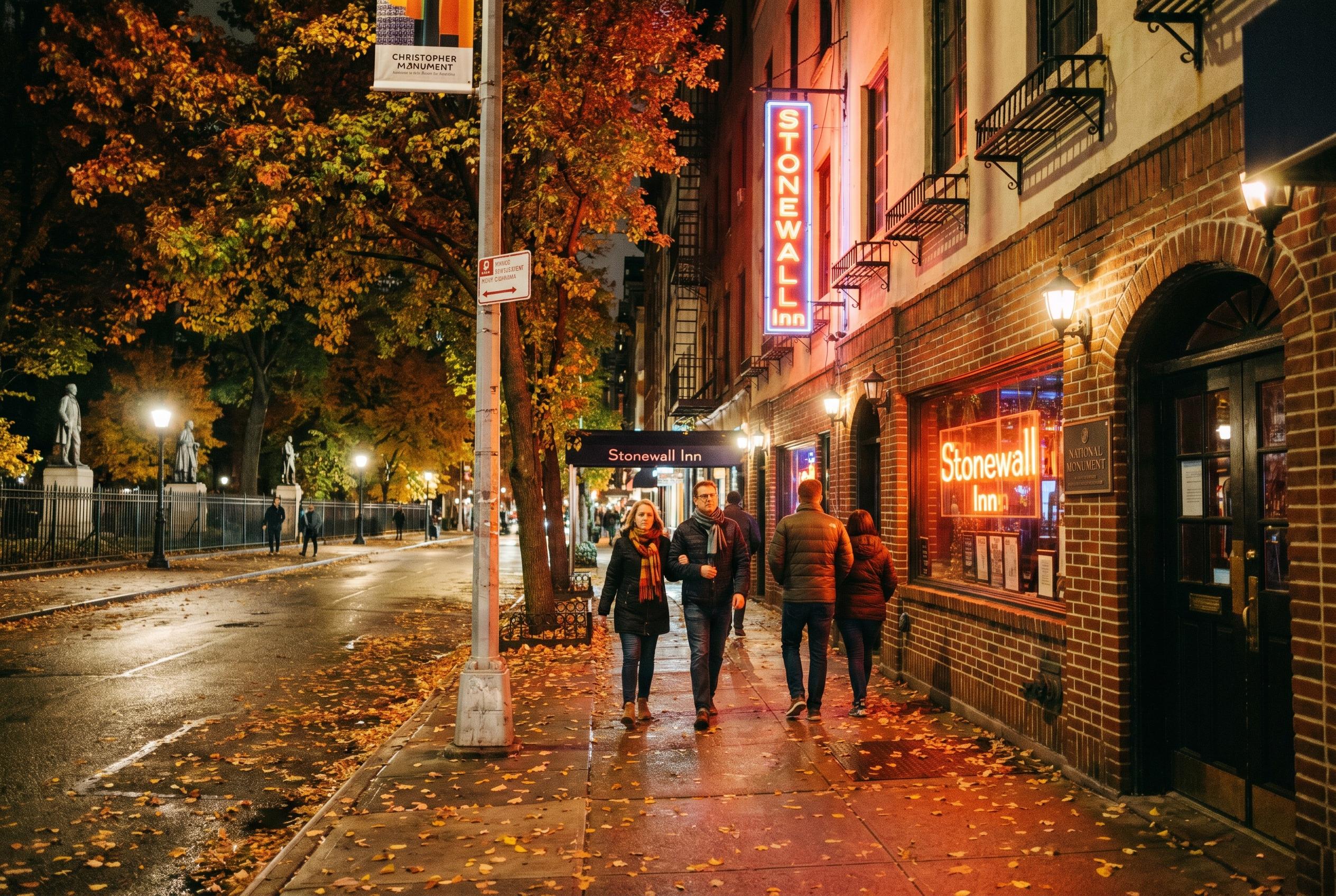
Shoppers of history are waking up to an alarming trend: Stonewall National Monument, the birthplace of modern LGBTQ+ activism in New York’s Greenwich Village, has been named one of America’s 11 Most Endangered Historic Places for 2026 , and preservationists warn the threat is as much about erasure as it is about bricks and mortar.
Essential Takeaways
- Official designation: Stonewall National Monument was added to the National Trust for Historic Preservation’s 2026 Most Endangered list.
- Why it matters: Advocates say recent federal changes to interpretive materials risk erasing transgender and queer contributions to the 1969 uprising.
- Visible signs: The temporary removal of the Pride flag drew legal action and public outcry; some online educational content reportedly remains incomplete.
- Broader trend: The listing sits alongside sites threatened by climate, neglect, redevelopment, and political interference , signalling a cultural as well as physical preservation challenge.
Stonewall’s new status , what happened and why it feels urgent
The National Trust for Historic Preservation’s choice puts Stonewall in the spotlight for a reason that’s both tactile and symbolic. Visitors go there expecting a palpable sense of resistance , the low brick of the Inn, the smell of the street on a summer evening , and preservationists argue that how the site is interpreted shapes public memory. According to the National Trust, federal edits to park materials, including a temporary removal of the Pride flag and cuts to references to transgender participants, triggered the alarm. That’s not just bureaucratic housekeeping; it’s a debate about whose stories get told.
Erasure versus preservation , the deeper cultural stakes
This isn’t only about plaques and banners. Activists say omissions in online and onsite materials distort the historical record, muting the roles of transgender women, gender-nonconforming people and queer people of colour who were central to the 1969 uprising. The dispute joins wider complaints about content being removed from federal sites and cuts to queer-focused funding. For many, Stonewall’s endangered label is shorthand for a larger worry: that the telling of LGBTQ+ history will be sanitised or sidelined.
How advocates responded , flags, files and legal action
When the Pride flag was taken down, it sparked legal pushback and quick public attention; the flag was later restored. But campaigners insist that the damage went beyond one visible symbol. Organisations that helped secure the monument’s 2016 federal recognition , the first national monument dedicated to LGBTQ+ history , are now pushing for restoration of complete, accurate interpretive materials. Groups such as the NYC LGBTQ Historic Sites Project and Making Gay History have long documented queer narratives in New York and are warning against any “whitewashing” of the uprising’s messy, diverse reality.
Why this matters for anniversaries and public memory
Stonewall’s 10th anniversary as a national monument was meant to be a celebration; instead it’s become a rallying point. The timing matters: as Pride season approaches, debates over what can and can’t be said in public spaces intensify. Preservationists argue that national parks and monuments should protect truth, not bow to political pressure. The National Parks Conservation Association has framed censorship of park interpretation as contrary to the democratic values parks are supposed to embody.
Practical takeaways for visitors and supporters
If you plan to visit, expect an active conversation on site as much as a static plaque. Look for walking tours and resources from independent groups , they often include the fuller, more textured stories that official materials may omit. If you want to help, supporting organisations that document queer sites, donating to archival projects, or taking part in public comment periods when park materials are revised are all practical steps. Simple civic-engagement moves can make a big difference to how history is kept alive.
It's a small change in display and language, perhaps, but one that can shape how future generations understand resistance.
Source Reference Map
Story idea inspired by: [1]
Sources by paragraph: