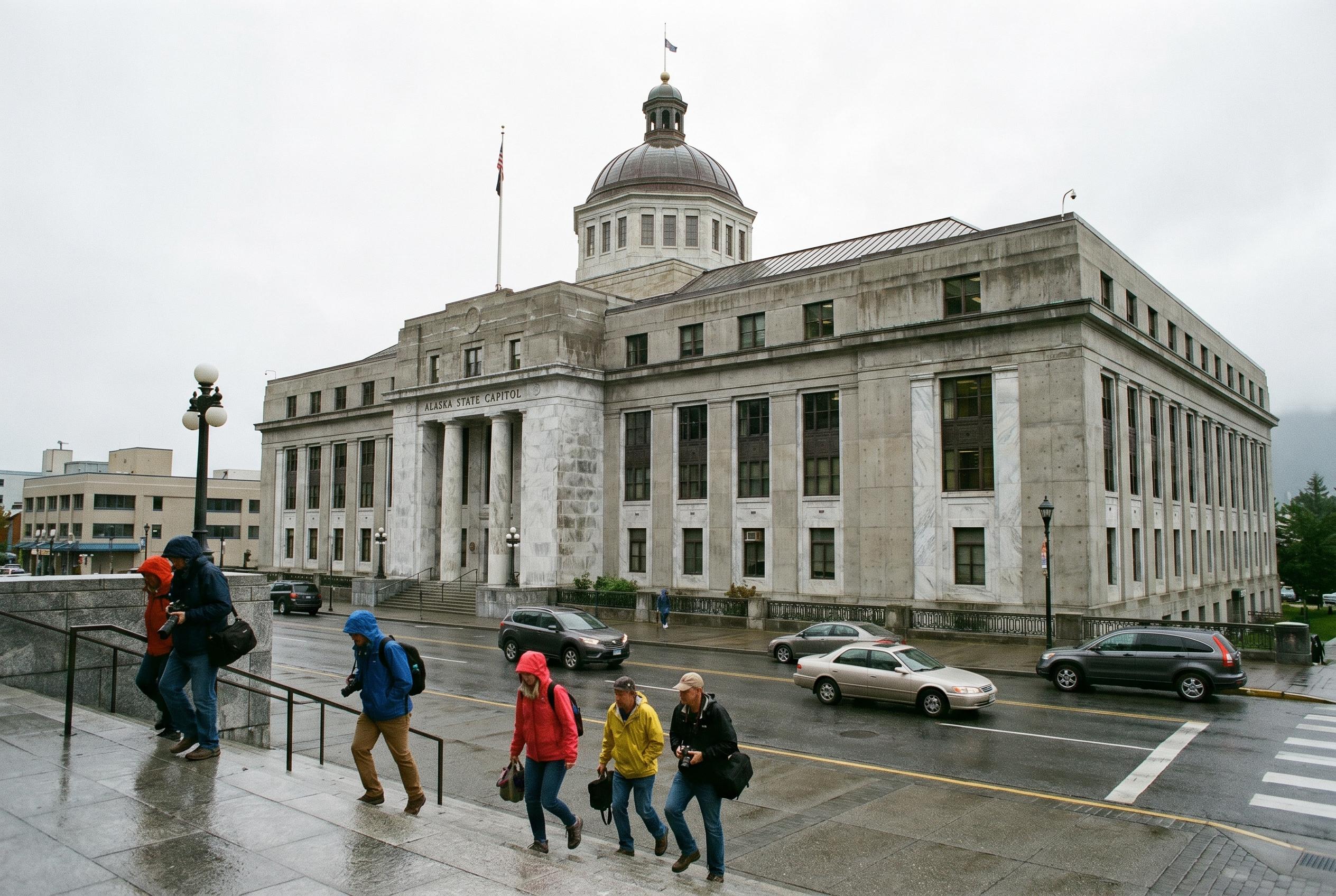
Watchers are lining up to testify as Alaska lawmakers consider House Bill 301, a bill that would add sexual orientation and gender identity protections to state law; it matters for churches, wedding venues, small businesses and anyone balancing nondiscrimination with religious freedom.
Essential Takeaways
- What it does: HB 301 would add sexual orientation and gender identity/expression as protected classes in Alaska law covering public accommodations, employment, housing and rentals.
- Who supports it: Planned Parenthood and local LGBTQ advocates are actively mobilising for the bill, calling on supporters to testify.
- Who opposes it: Religious-liberty groups and some conservatives warn it could compel faith-based organisations and small businesses to provide services that conflict with their beliefs.
- Practical effect: If passed, venues, camps and service providers could face legal exposure for declining services based on sexual orientation or gender identity; current religious exemptions aren’t explicitly written into the bill.
- How to take part: HB 301 is in the House State Affairs Committee; public testimony details were posted and activists are coordinating call-in testimony.
What HB 301 actually proposes and why it’s drawing attention
The bill would extend existing nondiscrimination protections to include sexual orientation and gender identity, bringing these categories alongside race, sex and age in statutes that govern employment, housing, and public accommodations. The language sounds straightforward, but its implications are what have people talking , and testifying. Supporters say it fills a gap that leaves LGBTQ Alaskans vulnerable to discrimination, while opponents say it could force organisations to act against doctrinal beliefs.
According to the bill’s official text, the changes would touch many routine interactions citizens have with businesses and community organisations. That breadth is part of the reason advocacy groups on both sides have mobilised; it's not just an abstract change on a statute book, it changes how everyday decisions are judged under law.
Why churches, venues and small businesses are watching closely
One flashpoint is religious organisations that rent rooms, host events or operate youth programmes. Under current Alaska law, there isn’t an explicit carve‑out that lets churches refuse to host ceremonies they object to without risking a legal claim , and HB 301 does not add a clear exemption. That has left some faith leaders uneasy, worried they might be legally obliged to provide services for same‑sex weddings or adopt policies on dress and facilities that clash with their teachings.
Small businesses are also concerned. Similar laws in other states have led to high‑profile cases where bakers, photographers or artists argued their conscience rights were infringed by being compelled to create work for events they couldn’t in good faith support. For businesses that value autonomy and a predictable regulatory environment, the prospect of new litigation or enforcement action is a real worry.
How advocates for nondiscrimination frame the change
Proponents argue the bill simply aligns Alaska with civil‑rights norms seen elsewhere and protects residents from being turned away because of who they are. Local civil‑liberties groups and LGBTQ organisations have praised the move in press statements and urged supporters to testify. Their aim is to ensure Alaskans can access services, jobs and housing without fear of being denied because of sexual orientation or gender identity.
Supporters also point to legal trends nationally that recognise these characteristics as core to nondiscrimination frameworks, saying the legislation would reduce harm and bring clarity for employers and landlords. Their message in public hearings is likely to emphasise safety, fairness and equal access.
The legal and cultural argument against the bill
Opponents frame their case around religious liberty and what they describe as fundamental differences between immutable traits like race and self‑identified characteristics. Groups pushing back have referenced legal and moral arguments suggesting sexual orientation and gender identity carry different legal considerations than race or sex, and that recognising them as equivalent protections risks eroding conscience rights.
That perspective has generated mobilisation among faith communities and conservative groups who are urging committee members to consider narrower language, explicit exemptions, or alternatives that protect both nondiscrimination and religious freedom.
What to watch next , the hearing, amendments and real-world impact
The House State Affairs Committee hearing is the immediate milestone; public testimony can shape both public opinion and the bill’s final wording. Lawmakers may propose amendments to carve out religious organisations or small businesses, narrow the scope of public‑accommodation rules, or otherwise balance competing interests. Pay attention to committee discussion about exemptions, enforcement mechanisms and whether municipalities will be affected differently from state law.
Practically speaking, if HB 301 moves forward as written, communities will need to consider operational changes , from written policies to staff training , to stay compliant and avoid legal risks. For now, the hearing will set the tone.
It’s a delicate civic conversation, and if you care, your voice will be heard at the committee hearing.
Source Reference Map
Story idea inspired by: [1]
Sources by paragraph: