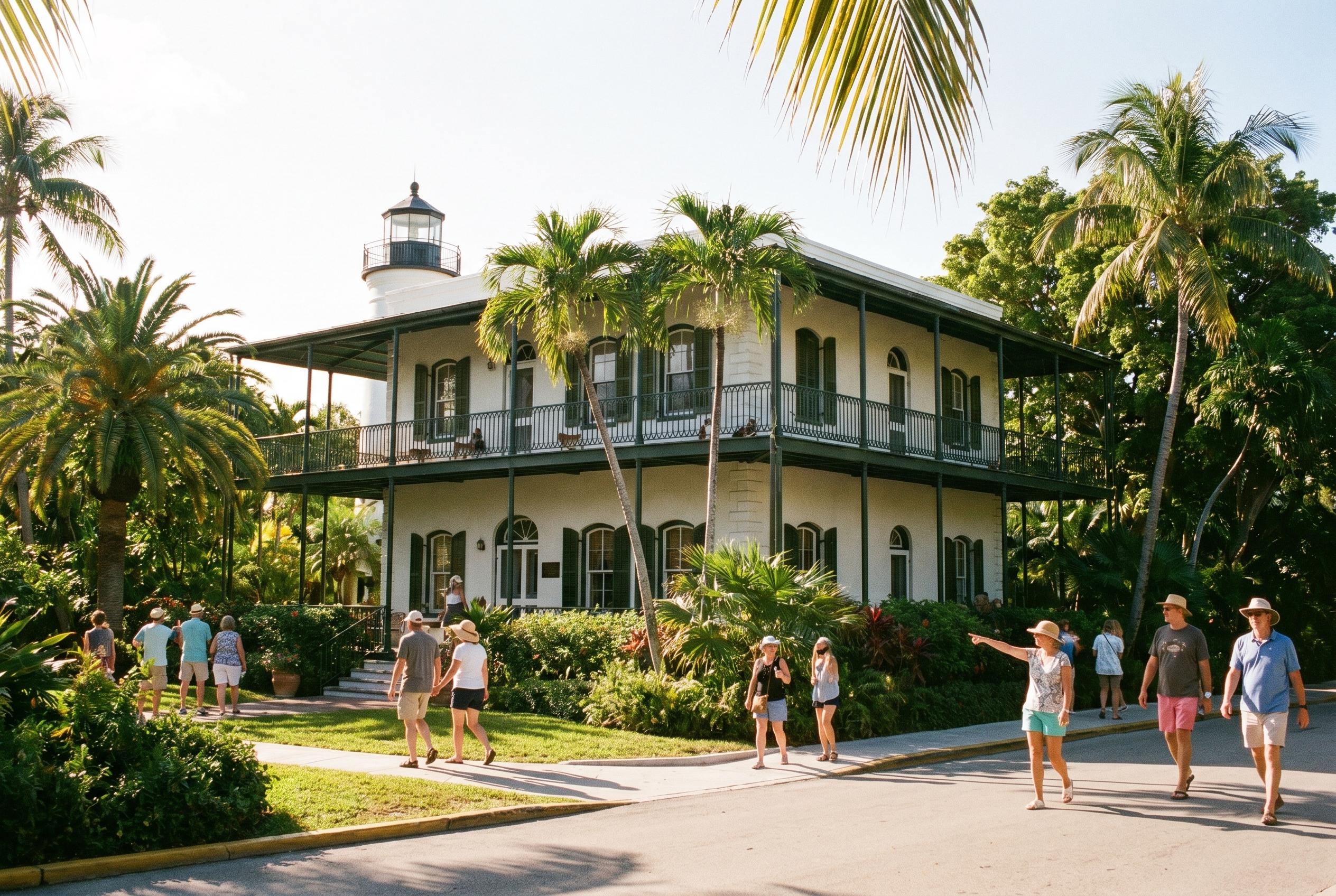
Shoppers are watching as Key West , long a top LGBTQ+ destination , loses state support for Pride and related festivals, a decision that could dent tourism, visibility and local businesses across the island. Here’s what happened, who’s affected, and why it matters for travellers and residents alike.
Essential Takeaways
- State action: Florida’s new S.B. 1134 bars local governments from funding or promoting diversity, equity and inclusion programmes, prompting Monroe County to cut state-backed support for Key West Pride and related events.
- Events impacted: Key West Pride, Tropical Heat and Womenfest are among the gatherings set to lose funding; organisers say the loss hits marketing, merchandise and outreach.
- Economic stakes: Local leaders estimate tens of thousands of visitors and hundreds of millions , potentially over a billion , in visitor spending could be at risk if marketing and promotion shrink.
- Practical pinch: Much of the cut affects digital and print marketing, SEO and tourism outreach, meaning fewer advertising dollars aimed at cities with direct flights.
- Community effect: Civil-rights groups warn the law removes tools local governments use to combat discrimination and foster inclusive public spaces.
What changed and who pulled the plug
In a move that’s already reverberating through Florida’s tourism scene, officials in Monroe County told the Key West Business Guild they’ll stop using state funds to support Pride and other gender- and sexuality-focused festivals. You can feel the practical loss in the quiet detail: less marketing, fewer branded items and smaller promotional campaigns that normally bring visitors through the door. According to reporting by the Washington Blade, those cuts directly reference S.B. 1134, the new state law restricting local DEI spending.
This isn’t merely a political gesture; it’s an operational decision that hits budgets. Rob Dougherty of the Gay Key West Visitor Center told the Blade that roughly $75,000 in Tourist Development Council money goes toward Key West Pride alone, and that broader pockets of funding , about $200,000 spread across several events , will evaporate. For a destination that trades on inclusivity and celebration, that loss is tangible.
Why tourism and the town could feel it
Key West’s brand is built on welcome: colourful streets, bustling bars and a calendar of events that draws LGBTQ+ travellers year‑round. Dougherty’s figures are stark , hundreds of thousands of LGBTQ+ visitors annually, plus allies, each spending conservatively around $1,500 per visit. Pull back the marketing and those visitors are harder to reach, and that’s not just numbers on a spreadsheet. Local hotels, eateries and tour operators will notice quieter booking calendars, and small businesses that rely on festival footfall will feel the squeeze.
Industry watchers have long said tourism dollars follow visibility. When the county can’t pay for targeted digital ads, search optimisation or outlet-specific print campaigns to cities with direct flights, the ripple effect is immediate. It’s also worth noting that organisations such as the ACLU of Florida have argued the law ties local hands when it comes to tackling hostile or exclusionary environments , which feeds back into traveller comfort and safety.
How critics see the law and its wider implications
Supporters of S.B. 1134 call it a restriction on government spending of a particular kind; opponents call it targeted defunding. Civil-rights groups warn the legislation strips local governments of tools to address discrimination , from diversity training to programmes that promote inclusive public spaces. The ACLU of Florida, for instance, has highlighted the risk that local authorities lose capacity to remedy hostile environments caused by bias and exclusion.
Meanwhile, advocacy groups and local organisers suggest the law’s practical application is already singling out events that are gender- or identity-specific. That raises a larger question for municipalities across Florida: will other towns follow suit and reallocate or rescind funds for community festivals, parades and support programmes? The answer could reshape local policy for years to come.
What visitors and businesses can do now
If you were planning a Key West getaway around Pride or related events, don’t assume the dates vanish , many organisers are exploring alternative funding and sponsorship models, and private promoters may step in. Bookings and plans can go ahead, but expect less official marketing and possibly smaller-scale events. For businesses, this is the time to double down on grassroots promotion: partner with travel agencies, lean into influencer or community-driven campaigns, and consider pooled sponsorships to replace lost public dollars.
Travellers can help too. Look for official event pages and local businesses that need support; when you book direct with a queer-owned hotel, bar or tour operator you’re helping preserve the island’s character. And if you value public celebration and visibility, consider contacting your representatives or supporting local NGOs that assist in bridging funding shortfalls.
Looking ahead: politics, economics and community resilience
This shift in funding is political by design, but its consequences will be measured in hotel occupancy reports and small-biz revenues. Key West has long rebounded from storms and market shifts through resilient community organising and creative tourism offers. Expect a period of adjustment , some events may shrink, others may find new backers, and the island’s famously inventive hospitality scene will adapt.
Still, the loss of state-backed promotion is a reminder that policy choices ripple beyond ideology into the everyday economics and culture of a place. For now, visitors who value Key West’s inclusive vibe should plan ahead, support local outfits, and keep an eye on how organisers pivot.
It's a small change that could make every visit feel different , and one worth watching if you care about where you spend your holiday pounds.
Source Reference Map
Story idea inspired by: [1]
Sources by paragraph: