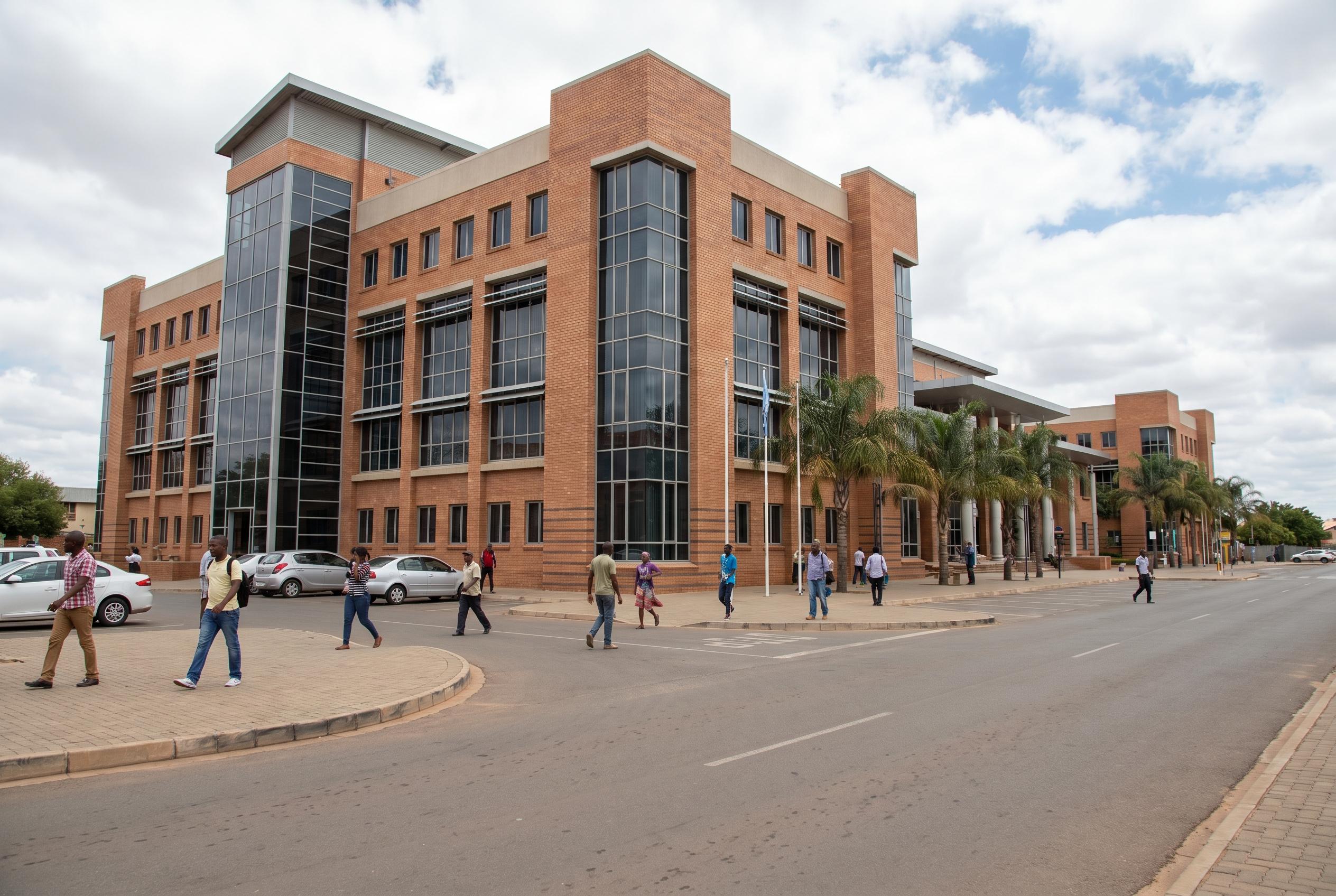
Shoppers of good news should look to southern Africa: Botswana has officially removed its colonial-era anti-sodomy law, a major win for LGBTQ+ people there and a hopeful sign for rights movements worldwide, especially as similar activism meets backlash in the United States.
Essential Takeaways
- Historic legal change: Botswana has removed the anti-sodomy provision from its Penal Code, ending criminalisation of consenting same-sex intimacy.
- Court roots: The move follows High Court rulings beginning in 2019 that declared the law unconstitutional, and a lost appeal in 2021.
- Practical relief: The repeal reduces everyday fear, less risk of arrest, fewer reasons to hide relationships, and easier access to healthcare and services.
- Context of danger: Removing the law doesn’t erase past harms or immediate threats; violence and stigma remain a real problem on the ground.
- Global contrast: While Botswana moves forward, the US is seeing a patchwork of restrictive laws targeting trans and LGBTQ+ people, underscoring divergent trends worldwide.
Botswana’s legal U-turn: what actually changed
The strongest fact here is simple: the relevant sections criminalising same-sex intimacy are now gone from Botswana’s Penal Code, not merely unenforced. That matters because a dead-letter law and a repealed law feel very different when you’re deciding whether to hold hands in public or speak openly to a doctor. According to regional reporting, the Attorney General formalised the removal in April 2026, aligning statute with earlier court rulings that had already found the law unconstitutional.
This outcome was years in the making. The High Court’s 2019 decision, followed by an unsuccessful government appeal in 2021, set the legal groundwork. Local activists, lawyers and international allies kept pressure on institutions until the text finally reflected the judgement. Celebrations are understandable, but so is caution: legal change is a start, not a cure-all.
What this means day to day for LGBTQ+ people in Botswana
For many people the repeal alters risk calculations that have been running for decades. People can more readily seek medical care, join social groups, register partnerships without the constant legal shadow, and parents can breathe a little easier about their children’s prospects. Reports from advocacy outlets note immediate relief among community groups and health providers, who can now act with less fear of legal reprisal.
That said, removing a law doesn’t immediately erase stigma or stop violence. Coverage has stressed that homophobic attacks and discrimination persist, which means community organisations, mental-health services and police training still need resources and attention. Practical next steps include strengthening anti‑discrimination measures and investing in survivor services.
Why this matters beyond Botswana: a global tug of war
Botswana’s move is part of a wider pattern: some countries are dismantling colonial-era or imported laws that criminalised queer lives, while other places are tightening restrictions. Observers point to a growing divergence between regions advancing protections and those rolling back rights, with the United States currently seeing a surge of legislation targeting trans people and LGBTQ+ healthcare and privacy.
That contrast is instructive. It shows that legal ideas export both ways: while US-based evangelical networks once helped spread anti-LGBTQ+ laws abroad, recent setbacks overseas suggest pushback can work. Activists and lawmakers on both sides of the Atlantic are watching each other closely.
How activists and policymakers can turn repeal into sustained safety
Legal repeal is necessary but not sufficient. Practical work now should focus on public education campaigns, training for police and health professionals, and explicit anti-discrimination laws to prevent employment and housing harms. Donors and governments can fund LGBTQ+ community centres, helplines, and legal aid to help people who still face harassment or violence.
If you’re a supporter outside Botswana, the most useful actions are solidarity paired with material help: donate to local groups, amplify survivor-centred reporting, and push for international human-rights partnerships that respect local leadership.
A reminder on progress and setbacks
There’s plenty to celebrate in Gaborone and among Botswana’s activists, but the broader story is mixed. As some nations remove criminal penalties, others are building new barriers, particularly in education, healthcare and identity law. That means wins like this are both cause for joy and a prompt to keep working, because rights can be fragile if left unsupported.
It’s a small, powerful step: law on the books finally reflects the dignity courts recognised years ago.
Source Reference Map
Story idea inspired by: [1]
Sources by paragraph: