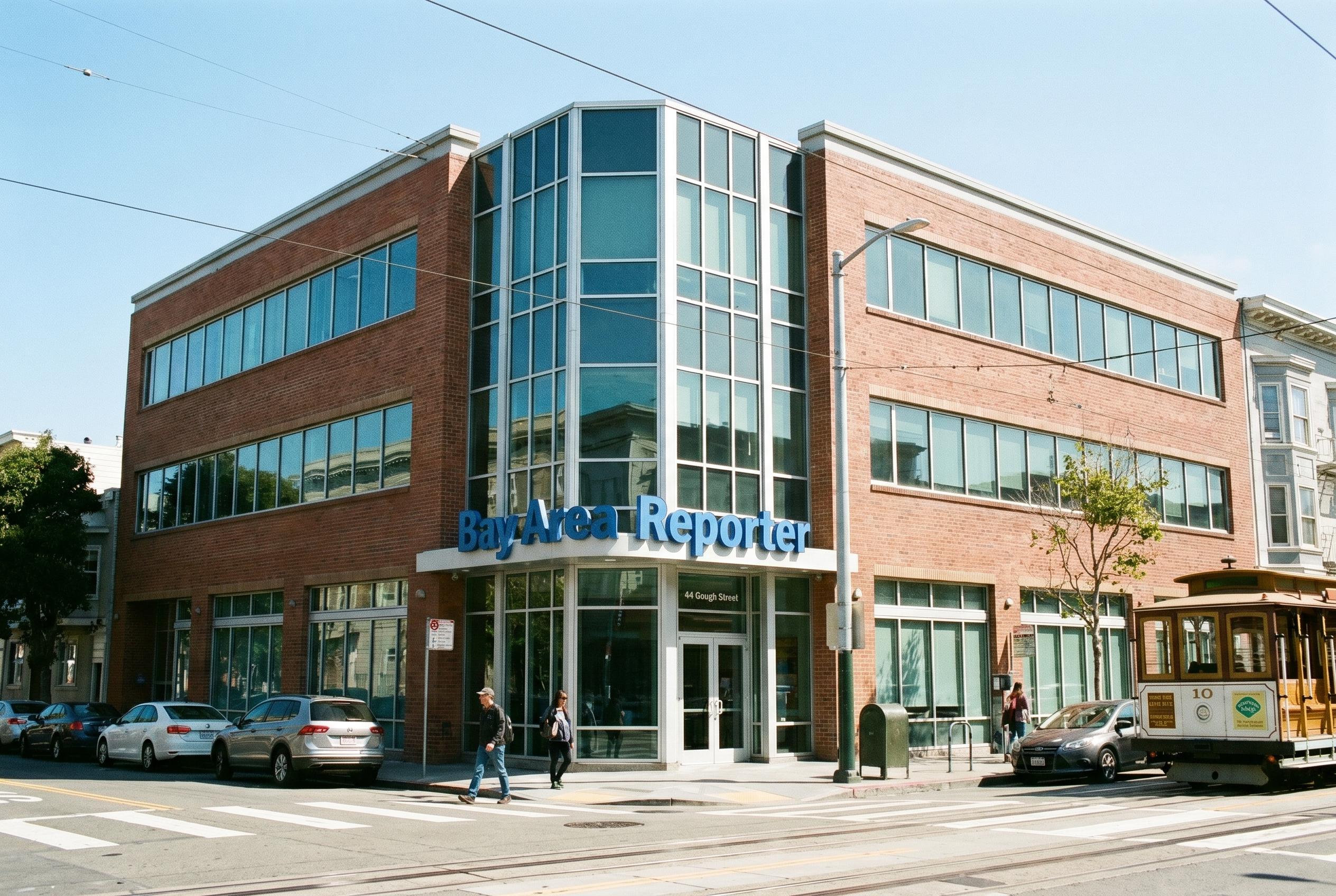
Shoppers and history buffs alike are revisiting how a local paper helped shape a scene; the Bay Area Reporter’s Living in Leather panel brings together photographers, historians and longtime participants to show why regional coverage matters for subcultures and memory.
Essential Takeaways
- Longstanding coverage: The Bay Area Reporter documented Leather and kink life from the 1970s onward, becoming a reliable community record.
- Voices reunited: The Living in Leather panel features a mix of columnists, historians, organisers and photographers reflecting on decades of change.
- Visual archive: Photographs and vintage clippings shared during the chat add texture and make the past feel immediate and tactile.
- Community glue: Local reporting captured events, contests and gossip alike, helping the Leather scene stay connected across the Bay Area.
- Useful for researchers: These conversations and archives are a practical starting point for anyone studying LGBTQ+ social history.
Why local papers matter , the opening hook
There’s something decidedly tactile about seeing an old broadsheet photograph and recognising the same jacket or barroom in a new light. The Bay Area Reporter didn’t just report Leather events, it preserved the look and feel of a scene , the leather shine, the chatter, the nervous excitement before a contest. According to the paper’s own anniversary programming, this continuity is exactly why the B.A.R. matters to residents and historians alike.
Media outlets such as the B.A.R. often become archives by default, and that’s happened here. The paper covered local meets, regional contests and national developments, offering contemporaneous colour while later panels and retrospectives add context and perspective. If you care about how subcultures sustain themselves, local journalism is where the traces live.
Reuniting storytellers , who showed up and why it counts
The Living in Leather panel brought together a neat mix: former columnists, a historian, a title-holder, an organiser and a photographer. Each person contributed memories that read like oral history: the gossip, the logistics of events, the faces and the buildings. When people who lived a scene swap stories, small details emerge , the smell of a room, the way light hit a saddle , and those details turn facts into feeling.
Panels like this aren’t just nostalgic. They’re corrective. National headlines can flatten nuance, while local contributors preserve specific rituals and language. That’s why archives and recorded conversations are valuable for researchers, journalists and community members remembering who belonged and how things were organised.
Photographs and clippings , the sensory anchors of memory
Nothing reanimates a past like a photo. The panel leaned into visuals: vintage articles, portraits and candid shots that make the past immediate. Photographs offer emotional shorthand , a grin here, a nervous hand there , and they remind us that history lived in bodies and places, not just in press releases.
Practical tip: if you’re preserving your own community records, scan photos at high resolution and note dates, locations and people where possible. That contextual metadata turns a great image into a reliable source for future storytellers and family historians.
From contests to community , what the coverage tracked
Early B.A.R. pages documented everything from local social nights to regional title contests. That breadth mattered because it mapped how people met, competed and organised. Coverage of contests made the scene legible to newcomers and reinforced the social infrastructure that kept events going year after year.
Comparatively, broader media outlets tended to spotlight singular events; the B.A.R. provided the day-to-day scaffolding. If you’re deciding where to look for trustworthy community histories, start with the local columns and event pages , they often contain the steady, granular reporting that historians love.
Why the past still matters , reaction and next steps
Listening to those who lived the scene, you get the sense that archival work is ongoing and urgent. As demographics shift and venues change, recorded panels and digitised clippings become the lifeline for memory. The B.A.R.’s anniversary programming is a useful reminder: community history is made by everyday chroniclers , journalists, photographers and organisers , and it’s worth preserving.
If you’re curious, watch the Living in Leather chat and explore the B.A.R. archives; you’ll find history that’s vivid, messy and human. And if you’ve got boxes of photos in the attic, consider sharing scans with local archives , your snapshots could be someone else’s missing piece.
It's a small gesture that keeps community stories vivid and available.
Source Reference Map
Story idea inspired by: [1]
Sources by paragraph: