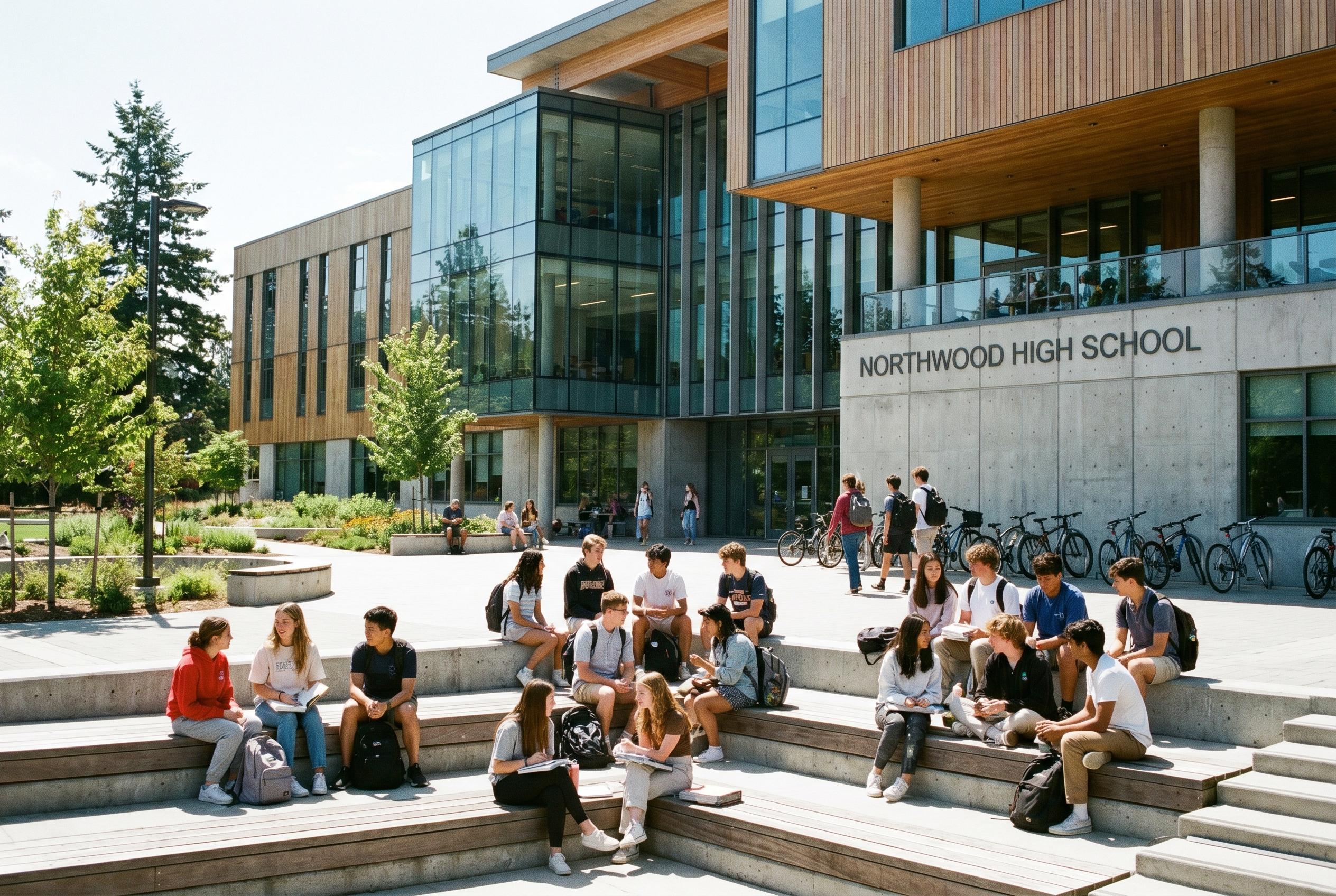
Celebrate, teach, and listen: teachers across schools are choosing simple, age‑appropriate Pride Month activities that spotlight LGBTQ+ history, boost empathy, and make classrooms safer and more welcoming for every student. These practical ideas work from early years through sixth form and help turn one month of visibility into lasting change.
Essential Takeaways
- Start with kindness: Use simple language and stories in primary classes to teach fairness, respect, and that families look different.
- Teach history with heroes: Introduce diverse LGBTQ+ figures to connect activism to wider civil rights movements and lived experience.
- Age‑appropriate depth: Middle schoolers can analyse movements and intersectionality; older students can research, debate and advocate.
- Visible support matters: Pronouns, safe‑space signs, inclusive libraries and posters create everyday signals that students belong.
- Practical tools: Journals, community projects and student groups offer ongoing support beyond Pride Month.
Open with empathy: why Pride activities start with kindness
Start by making things simple and gentle; young children respond to stories about fairness, families and being kind. According to local library and education guides, using age‑appropriate language and role models helps children grasp why Pride Month matters without overwhelming them. In practice, a class read‑aloud about different family types or a kindness poster can open the door to bigger conversations later. Teachers tell us that these small, sensory cues , colourful displays, calming voices, affirming language , set the tone for an inclusive classroom.
Bring history to life: teaching LGBTQ+ figures and context
You can anchor lessons in people and moments that shaped the movement, from early activists to artists and campaigners. Resources that compile key historic LGBTQ+ figures make it easy to build mini lessons or poster sets that students can explore. For middle years, link those stories to other rights movements so pupils see shared strategies and ongoing struggles. Try a timeline project where each student researches one figure , it’s a tactile, visual way to learn and remember.
Middle school: move from awareness to analysis
This age is perfect for deeper discussion about how activism started and how different identities shape experience within the LGBTQ+ community. Teachers can use viral classroom movements, reflective prompts and scaffolded quote analysis to help students consider whose stories get told and why. Encouraging debate or paired research projects gives students critical thinking practice, while guided questions help keep conversations respectful and grounded. Practically, remind students about confidentiality and create clear discussion norms before you begin.
High school: advocacy, identity and practical support
Older students are ready to examine intersectionality, policy and ongoing challenges, and to lead initiatives that affect their school community. Interactive journals, advocacy projects and student‑led groups provide safe spaces for reflection and action. Highlighting a range of role models , activists, artists and community organisers , shows students the many ways people have pushed for change. Schools that support chosen names, offer gender‑neutral facilities and back student groups report better wellbeing among LGBTQ+ pupils.
Everyday inclusion: small signals that make a big difference
Visible acceptance matters. Simple steps such as displaying safe‑space posters, using correct names and pronouns, and stocking diverse books in the classroom library are low effort but high impact. Embed LGBTQ+ voices across lessons rather than confining them to June; representation in reading lists and history lessons quietly normalises diversity. If a pupil confides in you, follow best practice: thank them, ask about privacy, and never out anyone without consent.
Practical activity ideas you can use next week
Try a Pride Month poster gallery, a research‑based timeline, a reflective journal, or a classroom pledge wall. Older students can organise a panel, create an advocacy campaign, or develop a resource pack for younger pupils. Pair any activity with clear classroom agreements and follow‑up opportunities so the work continues after the decorations come down.
It's a small set of everyday choices that can help students feel safer and more seen, both in June and all year round.
Source Reference Map
Story idea inspired by: [1]
Sources by paragraph: