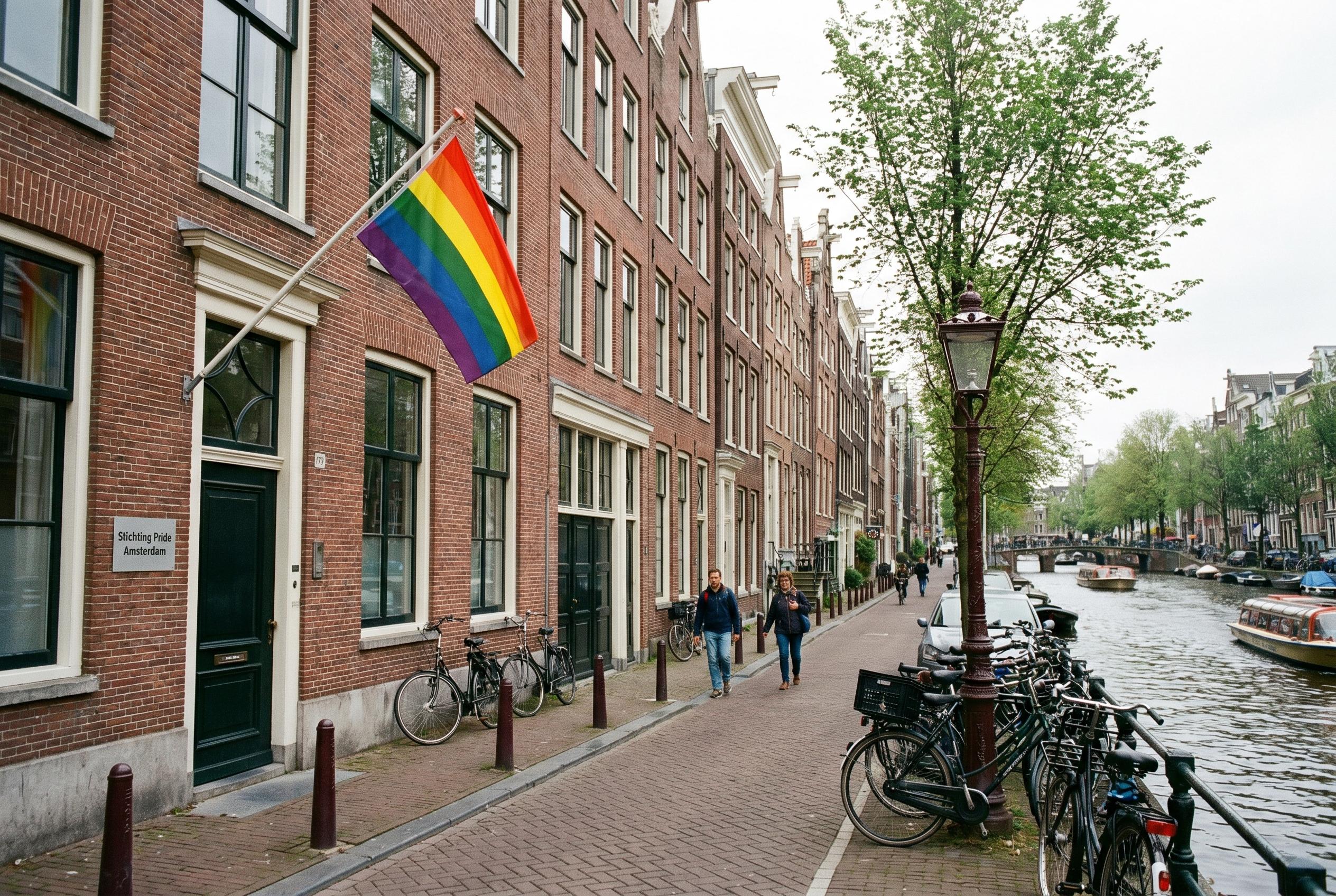
Shoppers are turning their attention to culture as Pride Amsterdam is put forward for UNESCO intangible cultural heritage, a nomination meant to spotlight LGBT+ rights, celebrate diversity and protect a festival that mixes protest and party , and the timing could not be more important.
Essential Takeaways
- What’s happening: Pride Amsterdam has been nominated by the Dutch government for UNESCO’s list of intangible cultural heritage.
- Scale and mood: The event attracts over 300,000 visitors annually and blends flamboyant celebration with political protest.
- Why it matters: Supporters say recognition could protect and promote LGBT+ rights at a moment when those rights are under pressure globally.
- Practical caveat: UNESCO expects dossiers to show inclusivity and community involvement, not just commercial spectacle.
- Next steps: A formal dossier will be prepared by Pride Amsterdam and KIEN, with a final UNESCO decision likely only around 2028.
A bold move at a delicate moment
The Netherlands has put Pride Amsterdam forward for UNESCO’s intangible cultural heritage list, a decision that feels deliberately symbolic and a little theatrical. The parade’s mix of colour, boats and homemade banners is as much a sensory experience , loud music, glitter, the scent of canal water and street food , as a public declaration about who belongs. Supporters argue the nomination raises the festival from local celebration to a global statement about bodily autonomy and tolerance.
The nomination came after advice from the Council for Culture, chaired by Sophie Elpers, who describes Pride as a practice that “gives air” to society by celebrating freedom and diversity. The move also leans on the Netherlands’ historical role in LGBT+ emancipation, from pioneering same-sex marriage to early national recognition of Pride itself.
What UNESCO recognition actually means
Listing with UNESCO doesn’t give a cash prize or a trademark; it offers visibility and an argument for protection. UNESCO describes intangible heritage as practices that “connect people” and strengthen cultural identity, and being listed can help shield traditions from erasure or commercial distortion. For Pride, that could mean more international attention and a stronger platform to challenge rollbacks on LGBT+ rights.
That said, the intergovernmental committee weighs each nomination on its merits, and a national nomination doesn’t automatically become international recognition. The process is deliberate and can take years; the likely decision window is around 2028.
How organisers must shape the dossier
Pride Amsterdam and the Kenniscentrum Immaterieel Erfgoed Nederland (KIEN) will now prepare a dossier aimed at convincing UNESCO of the festival’s cultural value. The Council for Culture suggests expanding the scope to simply “Pride” to include other communities and increase international resonance. That’s sound advice: UNESCO favours living traditions that demonstrate broad, community-rooted practice rather than one-off spectacles.
A key practical point is inclusivity. UNESCO is wary of heritage that’s been overtaken by commercial interest. If participation in the boat parade, for instance, becomes too costly for grassroots groups, that undermines the case. So organisers will need to show community participation, affordability and clear links to protest and rights advocacy, not only partying.
Politics, geopolitics and timing
Supporters explicitly frame the nomination as a response to a worrying global backdrop. Reports from ILGA and Amnesty International have highlighted places where LGBT+ rights are being rolled back, and in a handful of countries same-sex relationships still carry the death penalty. Against that landscape, making Pride a protected form of cultural expression is intended as a diplomatic and moral signal.
But there’s a flip side: turning a living protest into a heritage item can feel odd to activists who fear institutionalisation. The nomination will need to respect Pride’s roots in dissent even as it elevates the festival into cultural policy, a balance that’s both political and emotional.
What this means for Pride-goers and local groups
If UNESCO listing goes ahead, expect more international attention and perhaps a new layer of stewardship and funding for Pride-related community projects. For locals and small groups, the most important takeaway is to keep access open and costs low; that will strengthen both the festival’s soul and the dossier.
If you’re planning to attend, enjoy the sensory rush , the colours, music and warmth , but also remember Pride’s protest undercurrent. For organisers, the task is practical: document community stories, preserve grassroots involvement and show UNESCO that Pride is living heritage worth safeguarding.
It's a small change with potentially big symbolic consequences, and it might just make every parade feel a little more protected.
Source Reference Map
Story idea inspired by: [1]
Sources by paragraph: