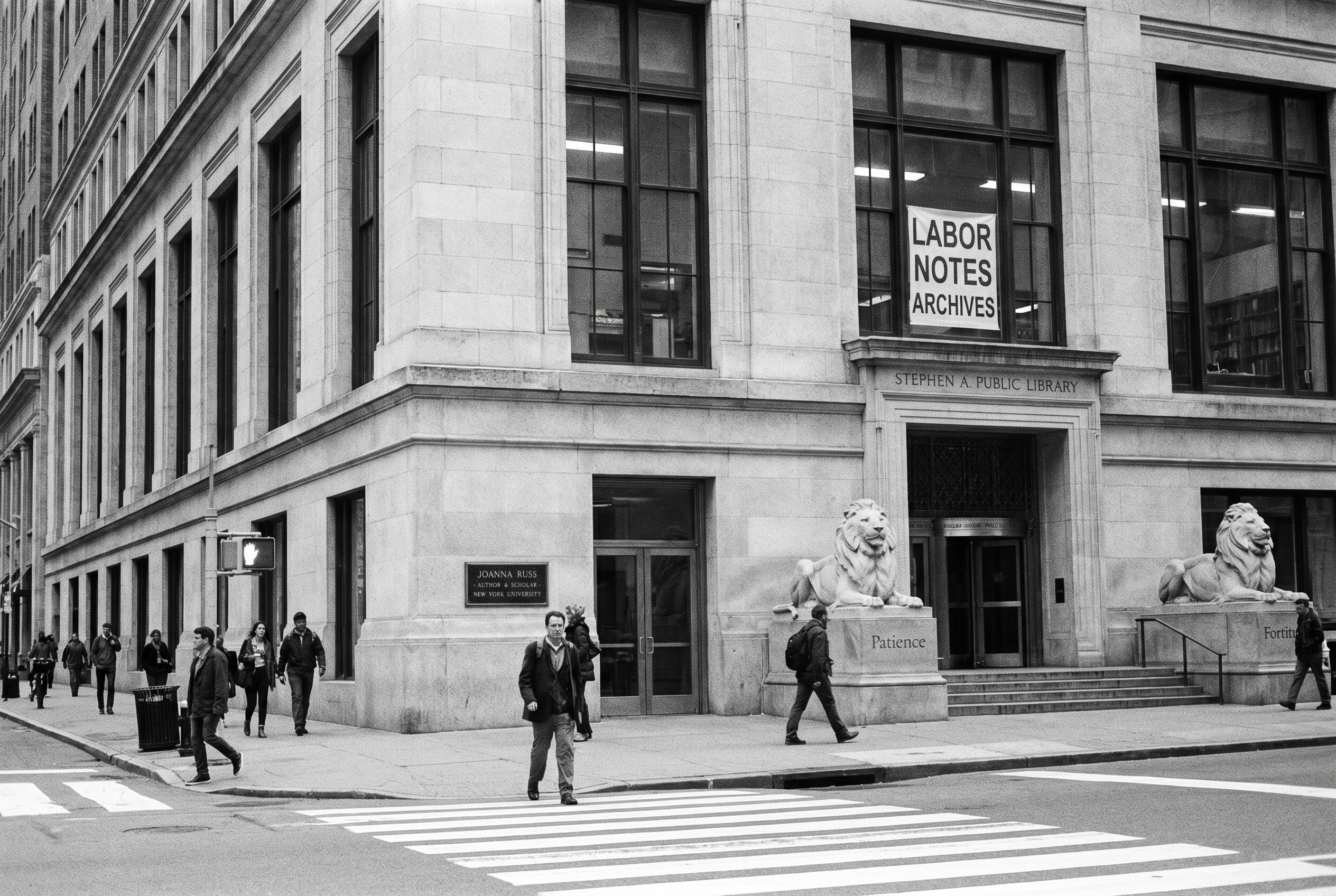
Shoppers might not notice, but May Day has always been more than red flags and picket lines; it’s a queer history lesson too. From Joanna Russ’s radical fiction to Bayard Rustin’s organising and the vogueing of Harlem balls, these threads show why labour rights and queer freedom have marched together for a century.
Essential Takeaways
- Joanna Russ's impact: The Female Man reframed gender with sharp, speculative prose and offered queer readers a daring intellectual refuge.
- Rustin’s dual fight: Bayard Rustin linked economic justice and sexual freedom, organising the 1963 March on Washington while navigating discrimination for being gay.
- Cultural visibility matters: Paris Is Burning brought ballroom culture into broader view, where style, survival and joy were political acts.
- May Day as reminder: Labour struggles and queer liberation share goals: dignity, safety and the right to exist in public life.
- Practical takeaway: Remember both protest and culture, support unions, fund queer archives, and watch the classics that teach history with feeling.
Why Joanna Russ still matters to queer readers today
Joanna Russ hit the scene with a voice that felt both icy and electric, and The Female Man gave readers four lives to inhabit, each one a different angle on womanhood and resistance. The novel’s sharp satirical edges made the gender binary look brittle, and queer readers found a book that spoke to the ache and thrill of imagining something else. According to Britannica and literary histories, her work helped open science fiction to feminist and lesbian perspectives, turning speculative worlds into rehearsal spaces for real change. If you haven’t read it, expect prose that’s clever, a little caustic, and deeply rewarding; it’s a reminder that fiction can be a tool for political imagination.
Bayard Rustin: the organiser who bridged civil rights and labour
Bayard Rustin’s life is a lesson in the costs of being essential but not always visible. He organised the 1963 March on Washington, the official programme still shows the details, while having to navigate relentless homophobia that kept him out of the front pages. PBS and archival sources underline how Rustin’s commitments linked unions, economic justice and civil rights, arguing that workers’ power and queer liberation were inseparable. His story shows that building coalitions is messy and brave; for anyone interested in modern activism, Rustin’s example is both strategic and human, reminding us that movements must protect their most vulnerable leaders.
Paris Is Burning: ballroom culture as survival and spectacle
Jennie Livingston’s documentary gave the wider world a window into the Harlem ballroom scene, where vogueing, “realness” and shade were more than performance, they were techniques for surviving exclusion. The film’s release crystallised vocabulary and aesthetics that would ripple through pop culture, while sparking debates about representation and who benefits from mainstream attention. Watching Paris Is Burning now, you see how creativity and necessity braided together: dance as therapy, masquerade as work, and joy as defiance. It’s why preserving and crediting community stories matters as much as celebrating their viral moments.
How labour history and queer history overlap, practical takeaways
May Day has always been about who gets to claim a share of society’s wealth and dignity, and queer people have been in those fights from the workplace to the picket line. Whether it’s organisers like Rustin, writers like Russ, or artists from the ballroom scene, the common thread is refusal: refusal of marginalisation, of being hidden, of being told to wait. Practically, that means supporting unionisation efforts that include queer issues, backing museums and archives that preserve marginalised histories, and voting for labour-friendly policies that protect all workers. These small acts help keep the promise of May Day alive.
Where this goes next: public memory and everyday solidarity
The history that links May Day and queer liberation isn’t sealed in textbooks; it lives in protests, in novels loaned between friends, and in dance halls where elders teach younger movers how to hold a pose. Institutions are starting to acknowledge these overlaps, but grassroots memory-keeping, oral histories, local marches, community archives, still does the heavy lifting. Looking forward, bridging labour and queer movements means listening, sharing resources, and making organising spaces safer for everyone. It’s the kind of future Joanna Russ imagined, where new worlds are written and then lived.
It's a small shift to see May Day as both labour and queer history, but it changes how you march, read and remember.
Source Reference Map
Story idea inspired by: [1]
Sources by paragraph: