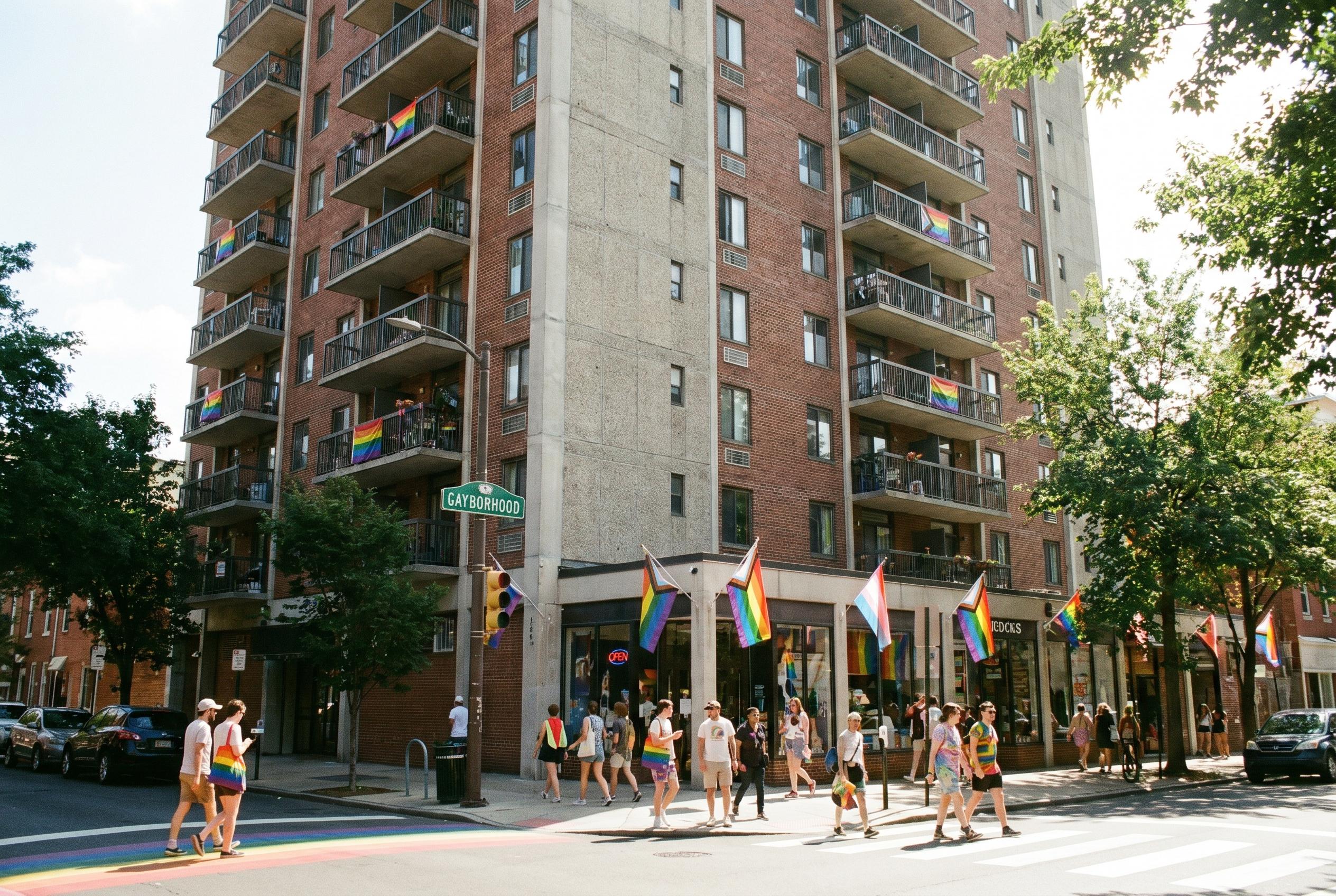
Shoppers and neighbours alike have watched a simple idea bloom into vital community: LGBTQ+ older adults in Philadelphia are finding affordable, affirming housing that does more than shelter , it reconnects people to chosen family, services and local life, and shows a model other cities could copy.
Essential Takeaways
- Affordable rents: John C. Anderson Apartments offers 62 subsidised units with monthly rents well below market, making long-term stability realistic for many seniors.
- Culturally competent care: Residents report greater dignity and social connection in housing designed specifically for LGBTQ+ elders, not shoehorned into mainstream senior services.
- Community impact: The building’s location in the Gayborhood drives foot traffic to local businesses and strengthens neighbourhood revitalisation.
- Health and wellbeing: Social programmes, volunteering and on-site amenities help reduce isolation and improve emotional and physical health.
- Replicable model: City and philanthropic support, plus mixed-use zoning, helped make the project work , lessons for other municipalities tackling senior homelessness.
Why a dedicated LGBTQ+ senior building matters
John C. Anderson Apartments didn’t just add apartments to a street; it answered a long-standing gap for older LGBTQ+ people who’ve faced discrimination, family rejection and economic instability. Residents describe the place as warm and welcoming, where neighbours don’t have to hide identity or history. According to research from the Williams Institute, LGBTQ+ older adults are more likely to live in poverty and to be isolated, so a building that understands those realities fills both practical and emotional needs. For cities thinking about housing policy, that mix of affordability and cultural competency is the core benefit.
From parking garage to pride: the neighbourhood effect
Planners replaced a former car park with a community-minded, mixed-use building that includes retail at street level , originally a coffee shop, now a pharmacy , and an etched-glass façade and courtyard that lift the block. Local business leaders say having residents who can walk to shops and restaurants creates steady footfall and economic opportunity for small, often LGBTQ+-owned firms. The result is a two-way boost: residents get convenience and purpose, while the high street gets more life and customers.
How community programming keeps people healthier and engaged
Beyond rent levels, the building thrives because residents build rituals and activities together. Volunteers run social events, manage a community garden and link up with nearby organisations like the William Way LGBT Community Center to share services. Those everyday interactions reduce loneliness and make it easier to access food, healthcare and mental-health supports. Practically, that means checking for programmes that include shared spaces, volunteer roles and partnerships when you evaluate similar projects.
Design choices that make a difference
Small design and policy choices turned out to be surprisingly important. Mixed-use zoning kept the street lively; accessible common areas and a secure courtyard gave residents safe, pleasant places to gather; and management that enforces nondiscrimination makes overnight guests and relationships simple and respected. For other developers, the takeaway is that dignity-sensitive rules and visible, well-maintained public space are inexpensive investments with outsized social returns.
Can this model scale beyond Philly?
There’s growing momentum: advocates and local leaders are exploring similar units at the planned redevelopment of the William Way centre, and state-level housing plans name underserved older adults as a priority. Scaling up will require blended funding, political will and community buy-in, but the core ingredients are replicable , targeted subsidies, culturally competent operations, and neighbourhood integration. If cities commit to those elements, more LGBTQ+ seniors could keep the independence they fought for while staying visible and connected.
It's a small change that can make every later chapter more secure and more social.
Source Reference Map
Story idea inspired by: [1]
Sources by paragraph: