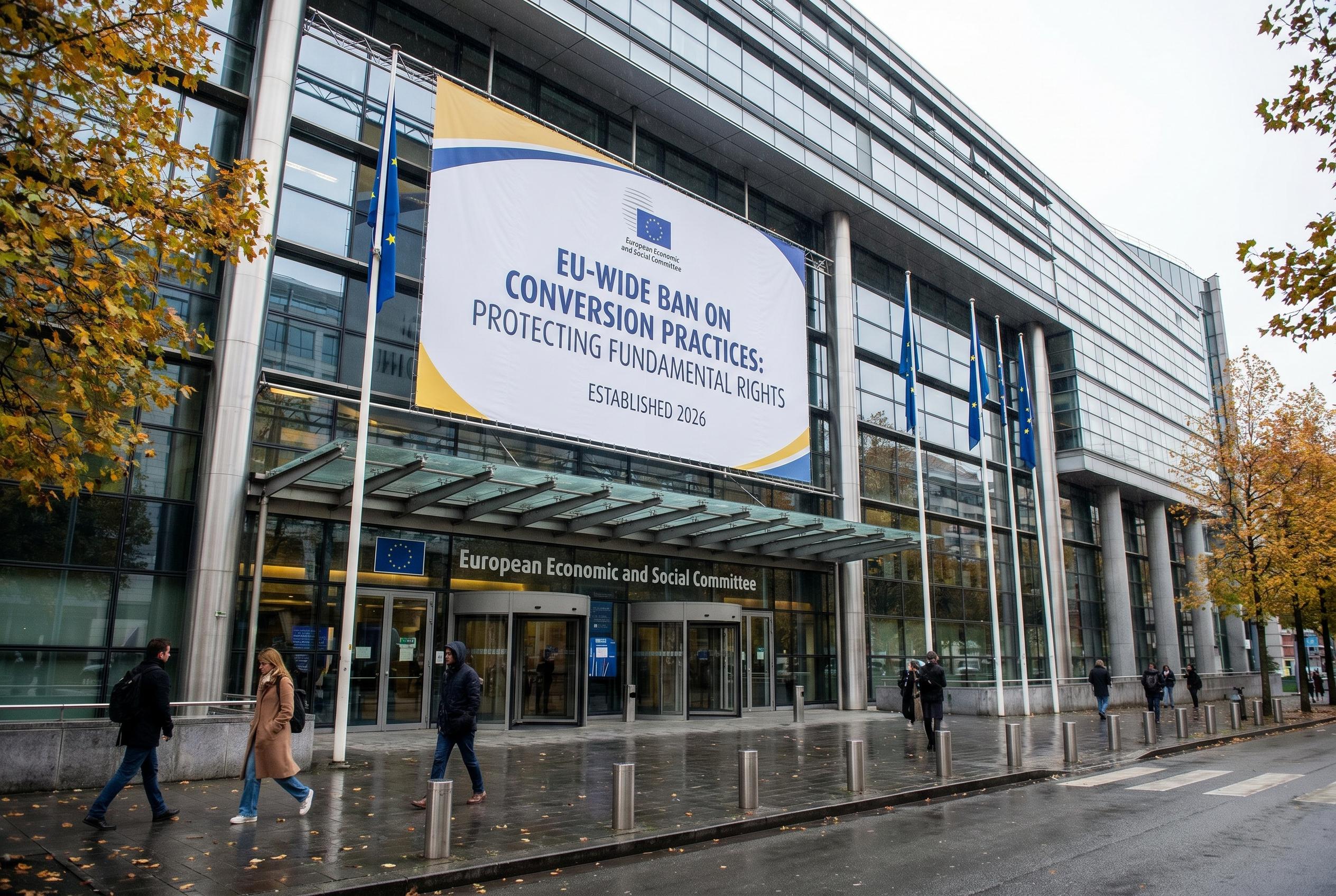
Shoppers of rights are taking note: the European Economic and Social Committee and MEPs have pushed hard for an EU-wide ban on so‑called conversion practices, saying these harms aren’t therapy but human-rights violations , and the move could reshape protection for LGBTIQ+ people across member states.
Essential Takeaways
- Clear condemnation: The EESC calls conversion practices violations of dignity and fundamental rights, urging the EU to treat them as akin to hate crimes and ban them.
- Comprehensive ask: Advocates want an EU-wide, legally binding ban that covers children and adults, prohibits advertising, and ensures penalties.
- Support for survivors: The proposal stresses survivor protections, access to support and redress, and explicit inclusion of intersex people.
- Growing momentum: Citizens’ initiatives and European Parliament debate papers add weight to a legislative push already gaining traction.
What the EESC said , and why the language matters
The EESC put dignity front and centre in its April plenary, calling conversion practices a profound violation of human dignity and fundamental rights. That kind of framing isn’t accidental; it shifts the debate from being a health‑service issue to a rights and criminal‑justice one, with emotional resonance for survivors. According to the committee, there’s nothing to “fix” in people’s identities , what needs changing is the systems and attitudes that allow abuse to continue. Practical takeaway: when institutions use strong language, it often presages tougher rules and clearer enforcement.
How an EU-wide ban would differ from national measures
A patchwork of national rules already exists, with some countries banning conversion practices and others doing little. A legally binding EU ban would set a common floor: outlawing the conduct itself, banning related advertising, and creating consistent penalties across member states. That uniformity matters for people who move, for cross‑border organisations, and for online services that operate EU‑wide. For victims it could mean fewer loopholes and more predictable routes to justice and support.
Why children and intersex people are central to the push
Campaigners and EU bodies emphasise that children and intersex people face specific harms , from coercive “therapies” to medically unnecessary interventions. The EESC explicitly calls for protections for both groups, reflecting calls from the citizens’ initiative and Council of Europe findings that exposure is widespread. In practice, this means bans would need to cover clinicians, religious actors offering so‑called treatments, and advertising that targets families or vulnerable groups.
The role of citizens’ initiatives and political momentum
A European citizens’ initiative and debates in the European Parliament have kept the issue in the spotlight, pressuring the Commission to act. When public petitions, parliamentary debates and expert committee opinions all align, the Commission feels the political push to propose legislation. Expect the next stage to be a formal proposal, accompanied by impact assessments and consultations that will shape what the ban actually covers and how it’s enforced.
What a ban would mean on the ground , tips for people and professionals
For survivors, a clearer legal ban should improve access to remedies and support services; for healthcare and faith communities, it will mean reviewing practices, training staff and reworking advertising. Practical steps include documenting experiences, checking local support services, and for professionals, updating consent and treatment protocols. If you run a service aimed at young people, now’s the time to audit language and referrals so nothing inadvertently crosses the line.
It's a small change on paper that could make a big difference in people's lives; the next months will show whether political momentum becomes lasting protection.
Source Reference Map
Story idea inspired by: [1]
Sources by paragraph: