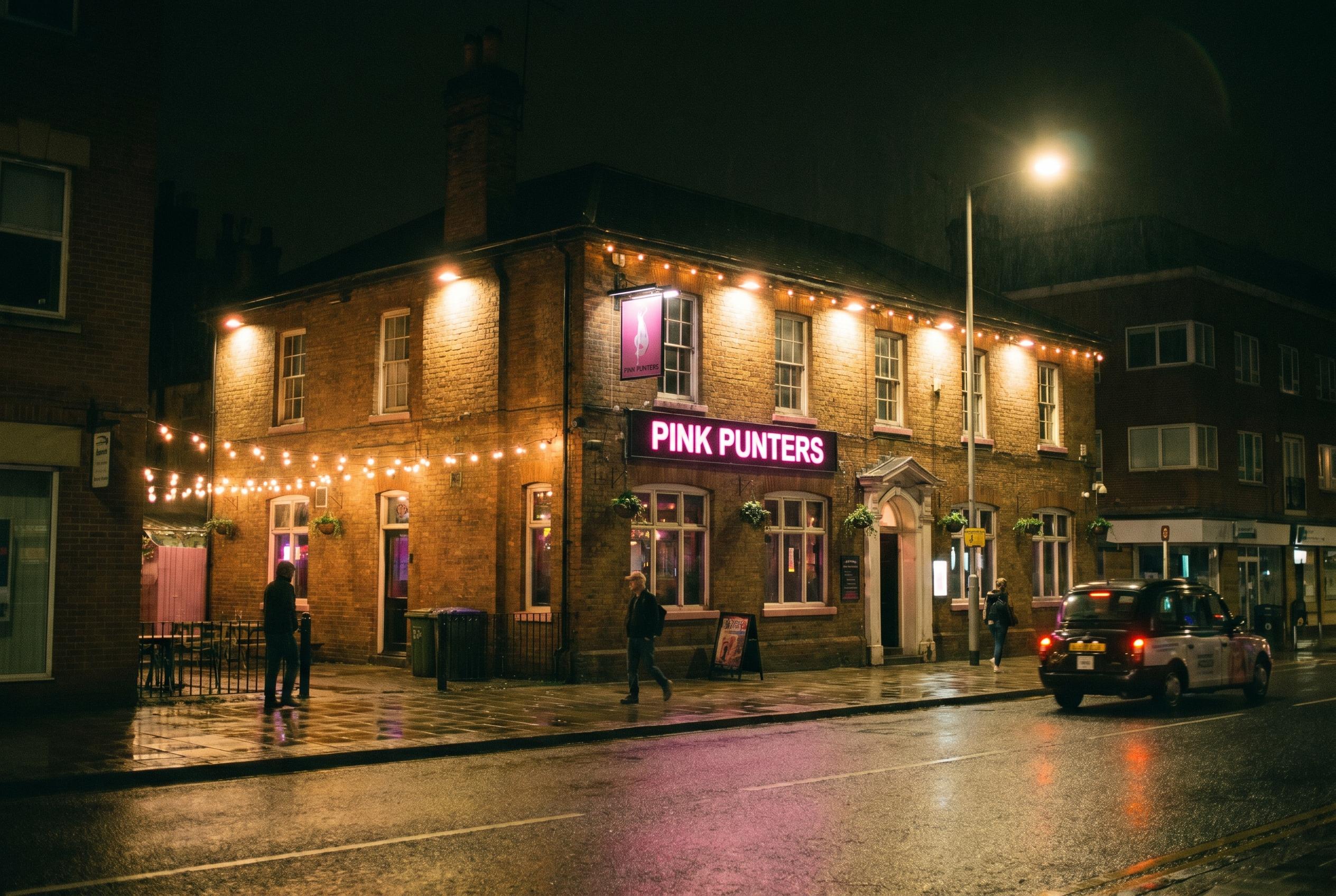
Shoppers are turning to queer outlets to tell a story mainstream media keeps sidestepping: two arson attacks hit beloved LGBTQIA+ bars in one week , in the UK and Australia , and that silence matters because these spaces are where safety, solidarity and joy meet, and their targeting is part of a worrying pattern.
- Two attacks: Major queer venues were targeted by arson in the past week, one in the UK and one in Australia, with at least one arrest reported.
- Community impact: These bars serve as safe, social hubs; damage feels like an attack on identity and togetherness, not just property.
- Sparse mainstream coverage: Most reporting so far has come from LGBTQ+ outlets and community media rather than national headlines.
- Context of risk: Analysts and inquiries have flagged rising right-wing and extremist targeting of LGBTQIA+ communities; similar incidents have hit other progressive spaces overseas.
- Practical note: If your venue or local queer space is affected, document damage, reach out to queer media, and follow police guidance while supporting staff and patrons emotionally.
Why two venue fires should be front‑page news
The strongest reaction is simple: these places are where people feel safe, and seeing them burn hits a very human nerve. According to community reporting, one attack in the UK led to an arrest on suspicion of arson with intent to endanger life, and another in Australia involved vandalism and burning of pride bunting. That combination of potential intent and symbolic violence should demand urgent attention from mainstream outlets. Independent queer media are covering it because they know the stakes; national papers’ relative silence looks like a blind spot, not a coincidence.
This isn’t isolated , there’s a broader pattern
Look beyond the week and you see bad company: attacks on progressive and minority spaces have happened elsewhere, from vandalism of queer pubs in the US to attempts to set pro‑LGBTQ churches alight. Parliamentary inquiries and security briefings in places like New South Wales have also highlighted how extremist networks increasingly target LGBTQIA+ people. So when bars that have served communities for years are deliberately damaged, it’s reasonable to treat it as part of a pattern, not a freak accident. That context changes how editors should prioritise the story.
Why queer media stepped in , and what that history tells us
Queer outlets weren’t built as a hobby; they were created because mainstream coverage has a long record of getting things wrong or weaponising identity. Historical examples show how harmful reporting can out vulnerable people and cause real harm, so community journalism has always carried extra responsibilities: care, accuracy and urgency. That institutional memory explains why LGBTQ+ publications are quick to publish details, call for witnesses, and put safety information front and centre while larger outlets lag.
What editors and journalists get wrong , and how they could do better
Mainstream newsrooms often treat queer stories as niche or culture‑war fodder, rather than urgent public‑safety matters. When an attack involves potential intent to harm people, it belongs in crime desks alongside other targeted violence. Practical fixes are straightforward: assign reporters with community knowledge, quote local organisers and police responsibly, and avoid framing that sensationalises victims. Coverage that centres victims’ safety and the community’s response does more to inform readers than adversarial, decontextualised takes.
Practical steps for venues, patrons and readers
If you run a queer venue, prioritise safety: log incidents, preserve evidence, and liaise with police and insurers early. For patrons and community members, support staff emotionally and financially if needed, and amplify verified updates via social channels to get mainstream attention. Readers and editors can help by treating these stories as urgent public interest: share responsible coverage, ask local papers why they’re not covering it, and demand follow‑up on investigations and security measures.
It's a small change in how newsrooms prioritise stories, but it can make every community feel seen and safer.
Source Reference Map
Story idea inspired by: [1]
Sources by paragraph: