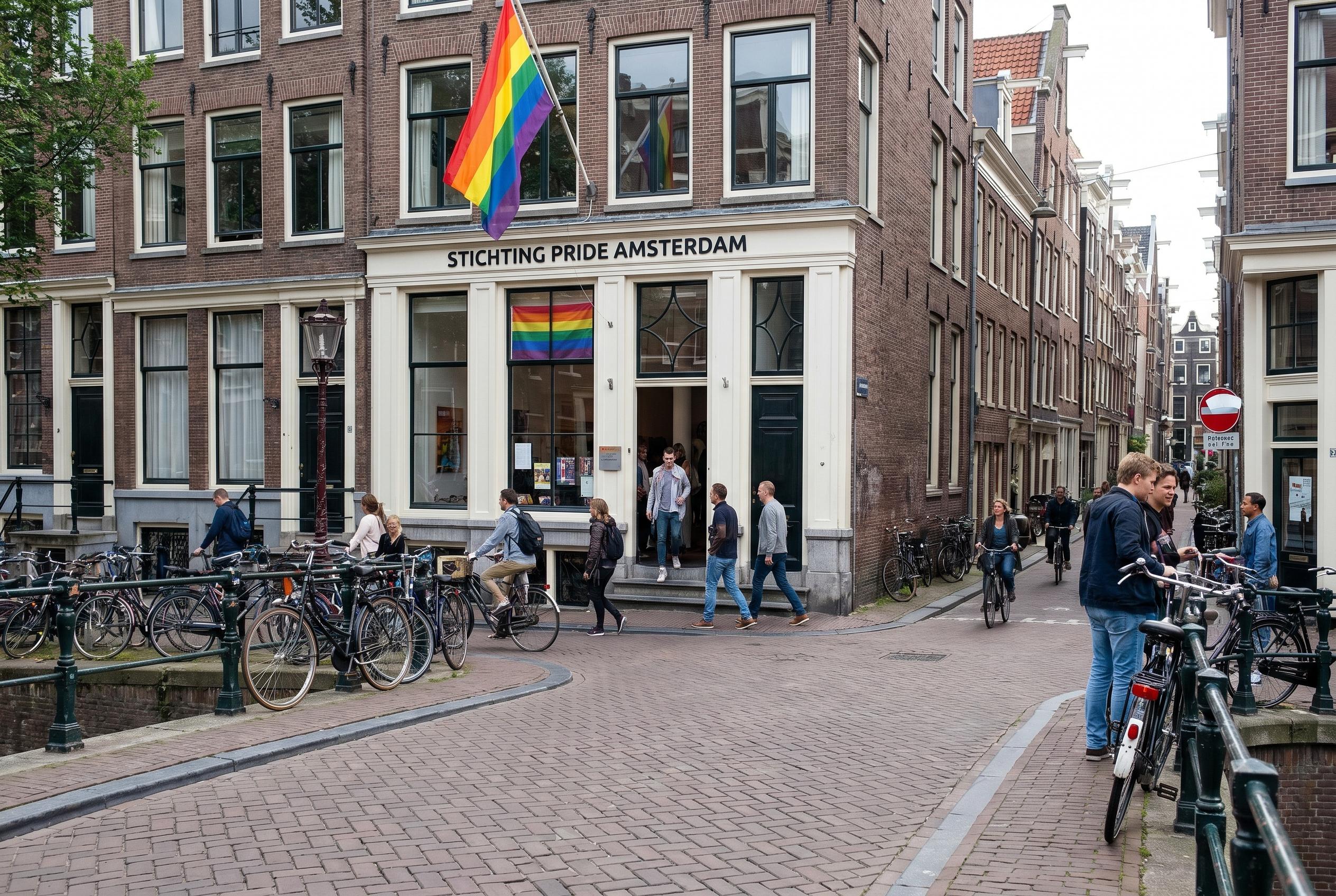
Shoppers of culture and activists alike are celebrating: Pride Amsterdam has been nominated for UNESCO’s Representative List of the Intangible Cultural Heritage of Humanity, a move that could place the global Pride movement under international protection and recognition. This matters for visibility, rights and the story of queer emancipation.
Essential Takeaways
- Official backing: The Dutch Council for Culture advised that Pride Amsterdam be nominated to UNESCO over the competing proposal for caravan‑dwelling (woonwagen) culture.
- Reason given: The council cited the Netherlands’ international reputation as a forerunner on gender equality and sexual freedom.
- Name change plan: The dossier will use the name “Pride” to reflect the wider, global movement and invite international participation.
- Timeline: The nomination dossier must be finalised and sent by 31 March 2027; UNESCO will decide by the end of 2028.
- Local roots, global reach: Pride has been listed on the Netherlands’ own intangible heritage register since 2019 and organisers plan a global petition during WorldPride to demonstrate public support.
What the nomination actually means for Pride
The nomination is a symbolic but powerful step. UNESCO’s Representative List doesn’t grant funding, but it formally recognises traditions as important living heritage and helps shield them from erasure. Pride organisers say the label will underline how Pride ceremonies, parades and community organising matter culturally and politically, not just socially.
The Dutch Council for Culture stressed that Pride’s arguments outweighed those for the woonwagencultuur, pointing to the Netherlands’ long history of queer emancipation. For campaigners, that’s a useful lever when pushing for legal protections or municipal support in other countries.
How the name change to “Pride” widens the invitation
Stichting Pride Amsterdam and the council back changing the dossier name from the city to the movement. That’s practical and strategic: “Pride” captures marches, festivals, rituals and local customs from cities around the world and signals an openness to other countries joining the nomination.
Expect petitions, testimonies and case studies collected from multiple cities as part of the dossier. Organisers are already planning a WorldPride petition to show millions of practitioners back the bid, and that grassroots evidence will be central to the UNESCO application.
The process and what comes next
There’s a slow, formal road ahead. Pride Amsterdam, working with the Kenniscentrum Immaterieel Erfgoed Nederland, must compile a detailed nomination file for ministerial approval. Minister Letschert has accepted the council’s advice and will send the dossier to UNESCO by the March 2027 deadline.
UNESCO’s review will take time; a final decision is expected at the end of 2028. If accepted, Pride would join a list that includes living traditions and rituals from around the world, raising the profile of queer cultural practices internationally.
Why supporters and critics are watching closely
Supporters see this as recognition that Pride is more than a party: it’s a set of practices, marching, speaking out, commemorations, that sustain communities and remember struggles. It can help normalise pride rituals in places where LGBTQ+ expression is still contested.
Critics may argue UNESCO listing politicises a cultural register, or that it risks glossing over diverse experiences within the queer community. The organisers’ push to make the nomination international is partly an answer to that: it forces a broader conversation about inclusion and representation.
Practical takeaways for activists, cities and festival planners
If you organise Pride events, now’s a good moment to document your rituals, oral histories and community practices. UNESCO nominations value detailed descriptions of who participates, how traditions are transmitted, and how a practice sustains identity. Cities can support by archiving material, funding documentation and helping gather signatures for the upcoming petition.
For visitors and allies, this is a reminder that parades and picnics carry cultural meaning, take part thoughtfully, record respectfully, and support local organisations that care for queer heritage.
It's a modest but meaningful step toward recognising Pride not just as celebration, but as living heritage worth protecting.
Source Reference Map
Story idea inspired by: [1]
Sources by paragraph: