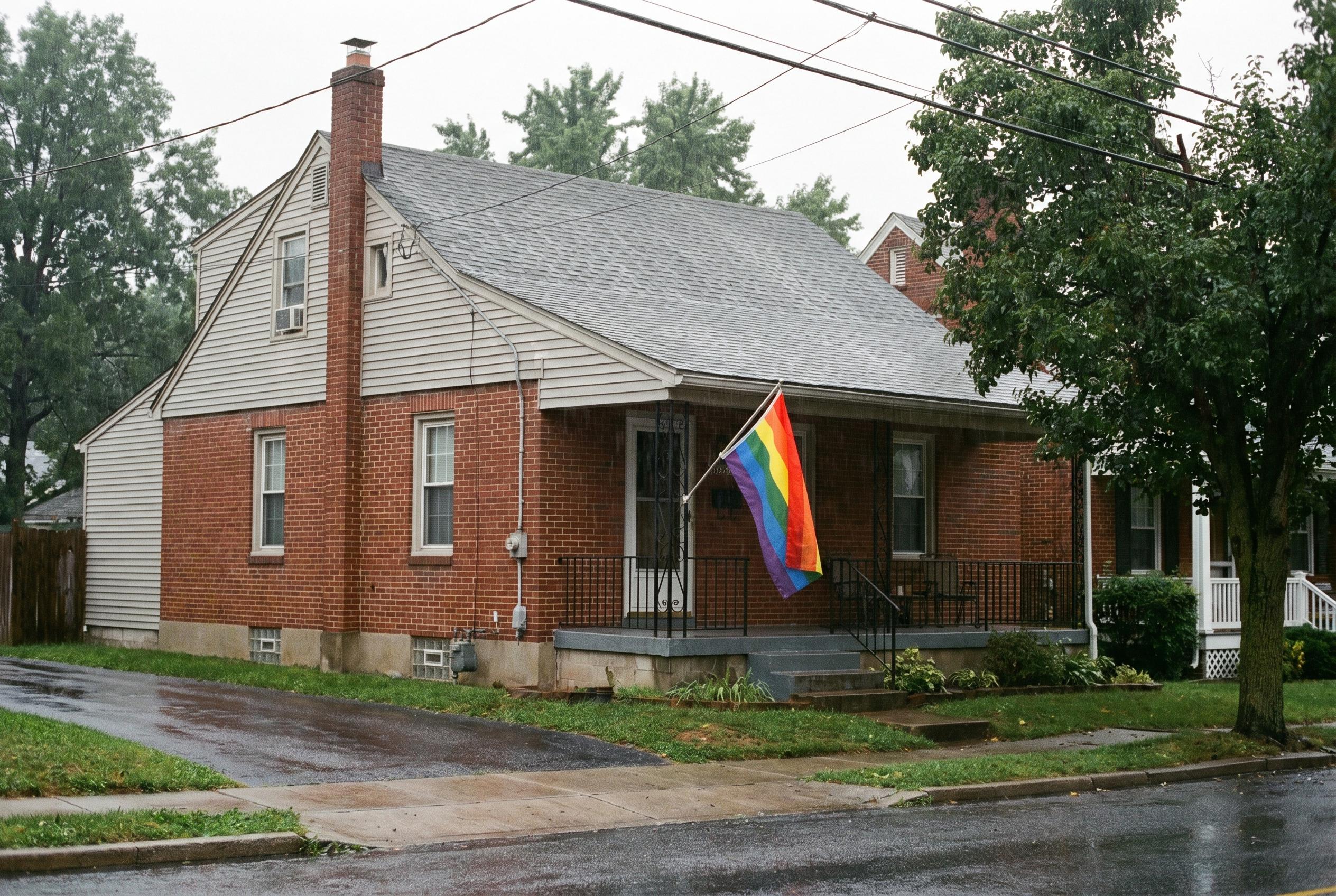
Owners in Lancaster, Pennsylvania, discovered a Pride flag burned outside their row home and are replacing it quickly; neighbours, police and the couple say the episode matters because visible symbols of support can attract both allies and vandals, and knowing how to respond keeps everyone safer.
- What happened: A Pride flag was set alight outside a Lancaster row house, leaving burns and rips but no structural fire damage.
- Evidence captured: Ring camera footage shows a hooded person with a lighter approaching the flag, then igniting it.
- Owners’ response: The couple say they’ve faced prior vandalism but will keep flying flags; they keep spare flags on hand.
- Practical note: The flag’s nylon material helped prevent the blaze from spreading; quick detection and the right material can reduce risk.
- Community mood: Neighbours and police are involved; the incident highlights both local support and the reality of targeted attacks.
What we know about the Lancaster incident
A gay couple in Lancaster found their Pride flag burned on the morning after the vandalism, and their Ring camera recorded a person in a hoodie using a lighter. According to local reports, the fire damaged the flag but did not spread to the house, partly because the banner was nylon and didn’t sustain a large flame. Lancaster police are investigating the incident, and the couple shared footage with WGAL as part of that inquiry.
Why this matters beyond one flag
Visible signs of support , flags, stickers, signs , act as beacons for both community and confrontation. The couple told reporters they’ve had flags stolen or damaged before, yet they carry on flying them to show they’re a safe, affirming household. That mix of resilience and vulnerability is familiar to many LGBTQ+ people and allies, and local policing plus community solidarity often shapes how these situations play out.
Simple safety choices that reduce risk
Materials and placement make a difference. Nylon and other synthetic fabrics can melt rather than sustain a big, spreading flame, and placing flags away from doors, vents or flammable eaves reduces danger. Motion-activated lighting, a visible camera, and prompt removal of a damaged flag all cut the chance of escalation. If you store spare flags like this couple, you can replace a damaged banner quickly , a small practical habit that keeps the message visible.
When to involve police and how to preserve evidence
If a flag is intentionally damaged or set on fire, contact local police and report the incident, ideally with footage or photos. Preserve any surveillance clips and avoid touching the scene unnecessarily. Local stations reported that police in Lancaster opened an investigation; that’s the standard route when an act could amount to arson or a hate-motivated crime. Being calm and cooperative helps law enforcement assess whether charges are warranted.
Community response and mental load
There’s an emotional cost to being targeted, even if the physical damage is limited. The couple described feeling disheartened but supported by neighbours, and that balance matters , it’s why many households keep visible signs despite risks. Community organisations and local businesses often step in after incidents like this to offer replacements or to amplify support; reaching out to them can feel relieving and practical.
It’s a small, visible act to replace a flag, but it’s one that keeps saying you belong.
Source Reference Map
Story idea inspired by: [1]
Sources by paragraph: