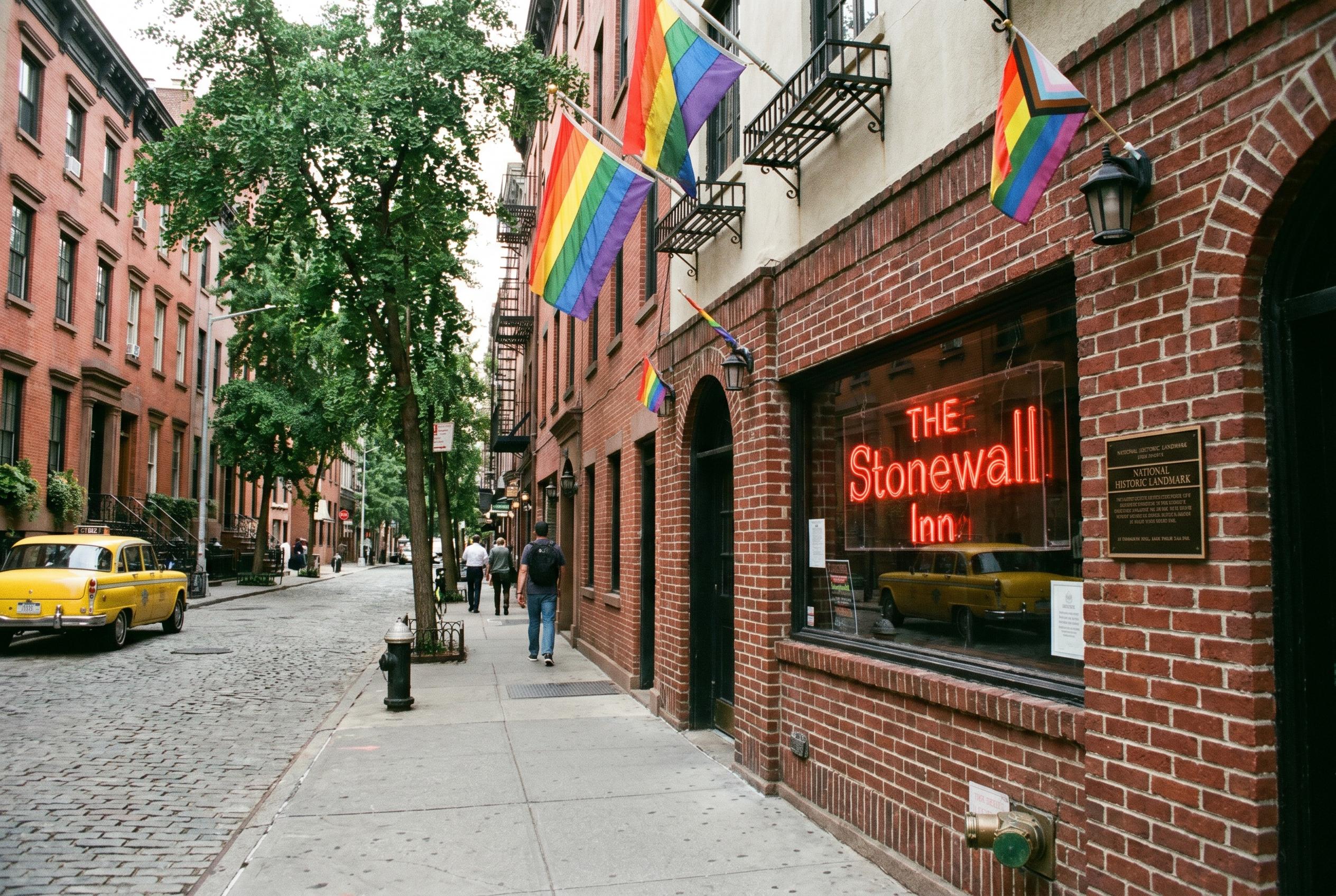
Shoppers, activists and neighbours have noticed a new kind of momentum in Greenwich Village and Chelsea: Carl Wilson has declared victory in the special election for Manhattan’s 3rd District, a seat that overlaps with Stonewall and decades of LGBTQ+ political history , and the result matters for moderates, trans rights and local priorities.
Essential Takeaways
- Historic seat maintained: Wilson will be the fifth consecutive openly gay representative for Manhattan’s 3rd District, a neighbourhood tied to the birth of the modern gay rights movement, and his win keeps that continuity going.
- Moderate victory with progressive leanings: Wilson was backed by city moderates including Council Speaker Julie Menin but has said he’ll join the progressive caucus; the race drew clear moderate-versus-progressive lines.
- Policy-first messaging: Voters told reporters they prioritised policy over identity; Wilson campaigned on affordable housing, crisis intervention services and better transit.
- Trans rights on the agenda: Wilson has been vocal about protecting trans people and framed such protections as a top priority in the face of national attacks.
- Local feel: Endorsements from unions and LGBTQ+ groups, plus a campaign rooted in Chelsea and Hell’s Kitchen, gave his campaign a sturdy, community-focused tone.
Why this district’s pick feels particularly symbolic
The 3rd District contains the Stonewall Inn, the West Village and parts of Chelsea , spaces that hum with queer history and daily life. That backdrop gives every council race here an emotional texture; residents and activists watch not just policy but representation. Local outlets reported Wilson’s victory as both a practical political change and a nod to continuity: the district has sent LGBTQ+ councillors to City Hall since the early 1990s.
Residents told reporters they were weighing bread-and-butter issues along with identity, which helps explain why a candidate like Wilson, who mixes moderate endorsements with progressive promises, appealed to voters. The result is both symbolic and practical: someone with ties to the neighbourhood and to city power will be sitting at the table.
A moderate-versus-progressive contest that went local
This race became a stand-in for wider intra-party battles. Council Speaker Julie Menin endorsed Wilson early, while Mayor Zohran Mamdani supported a different candidate, making headlines and energising factions. Still, Wilson told local outlets he intends to join the council’s progressive caucus, signalling a desire to bridge city hall divides rather than deepen them.
Election-night tallies showed Wilson earning the largest share of first-place rankings, with opponents splitting the remainder. Local reporting framed the result as a win for centrist Democrats who can also tout progressive commitments, a combination that sometimes wins in mixed neighbourhoods like Chelsea and the West Village.
What Wilson says he’ll focus on , and why it matters to locals
Wilson’s campaign emphasised affordable housing, expanded crisis intervention services and stronger transit , issues that affect daily life for renters, commuters and people who use city services. According to his campaign materials and local coverage, those priorities shaped his outreach in Chelsea and Hell’s Kitchen, where housing pressures and subway concerns are constant.
Practical tip for voters: watch for early signs of progress on one or two promises, like a new affordable-housing plan or a pilot crisis-intervention program. Those are the projects that show a new councillor is translating promises into action.
Trans rights and LGBTQ+ advocacy are front and centre
Wilson has publicly framed trans protections as a top priority, pointing to national policies and rhetoric that activists say have increased threats to trans people. His history working with his predecessor on pro-LGBTQ+ policies was highlighted in coverage, and local LGBTQ+ groups backed him, signalling confidence that he’ll keep those issues visible in the council.
That emphasis matters in a district with deep queer roots: voters and activists expect not just symbolic representation but active policy defence. Wilson’s statements suggest he intends to deliver both.
Looking ahead: what to expect from the new councillor
A Wilson term is likely to involve coalition-building across New York’s fractured Democratic politics, given his mix of endorsements and stated caucus choice. He’ll be judged quickly on tangible neighbourhood fixes , housing, street-level services, transit , and on whether he keeps LGBTQ+ rights high on his agenda.
For residents, the short-term measure will be responsiveness and visible projects. For advocates, it’ll be about his stances and votes on citywide rights issues. Either way, the race underlines how local contests can reverberate well beyond neighbourhood lines.
It's a small change with local weight, and residents will be watching to see whether the new councillor turns pledges into real improvements.
Source Reference Map
Story idea inspired by: [1]
Sources by paragraph: