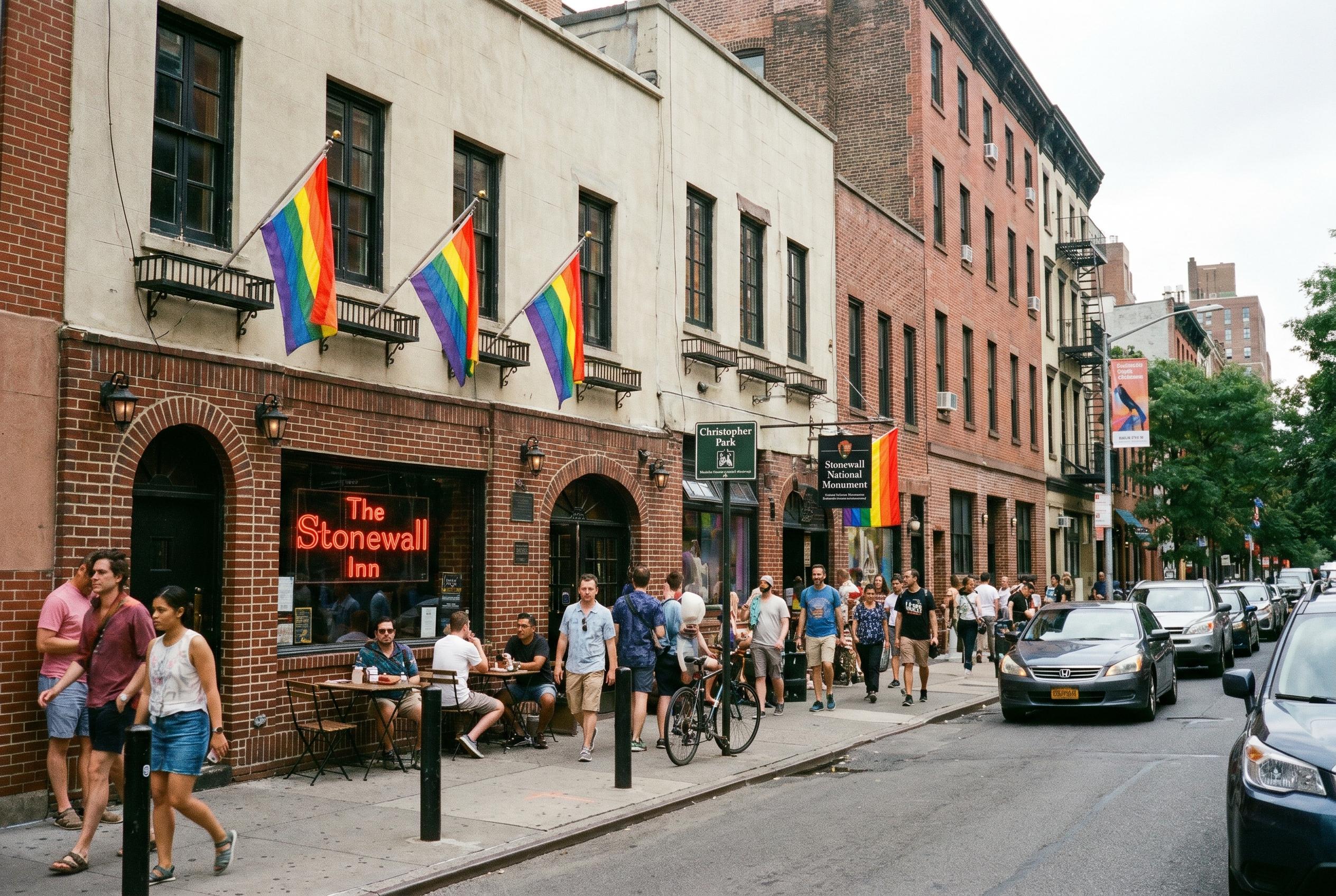
Shoppers in the West Village and activists alike watched closely as voters chose continuity in Manhattan’s District 3 , electing Carl Wilson in a special race that preserved a 35‑year streak of openly LGBTQ representation for a seat that includes the Stonewall Inn and Chelsea. This matters because identity and everyday issues collided in a contest about legacy, housing and who gets to speak for queer neighbourhoods.
- Historic continuity: Carl Wilson’s win extends an unbroken run of openly LGBTQ council members in District 3 stretching back to 1991.
- Close but decisive night: Unofficial tallies had Wilson on roughly 43% of first‑choice ballots, with ranked‑choice counting unlikely to overturn the lead.
- Platform mix: Wilson ran on both queer‑focused policies , HIV prevention, trans protections, LGBTQ youth housing , and everyday city issues like mental health and affordability.
- Local feel: Voters in areas such as Chelsea, the West Village and Hell’s Kitchen rewarded familiarity and experience; Wilson was Bottcher’s former chief of staff.
- What’s next: He’ll finish the current term and face a Democratic primary later this year for a full four‑year term.
Why this election felt bigger than a council seat
The district contains the Stonewall Inn, a living symbol of LGBTQ activism, so this wasn’t just a municipal vote , it was a story about who represents queer history and its future. The air at campaign events smelled of incense and takeout, because locals turned up with opinions about safety, rent and whether lived experience still matters in politics. According to reporting, that symbolic weight animated coverage across local outlets and conversations in neighbourhood cafés.
Who the contenders were and what they stood for
Carl Wilson, the only openly gay candidate, brought continuity and institutional backing, having served as Erik Bottcher’s chief of staff and earned endorsements from moderate leaders. Lindsey Boylan pitched herself as a bold, policy‑first challenger with progressive backers including Mayor Zohran Mamdani. Two other candidates, Layla Law‑Gisiko and Leslie Boghosian Murphy, captured smaller shares of the vote but shaped debate on housing and equity. The contrast ultimately boiled down to experience versus insurgent change.
What voters told us about identity and practical issues
Many observers framed the race as identity versus policy. Some argued District 3 should remain represented by someone who shares the community’s lived history; others said residents want answers on rent, safety and services. Voters appear to have chosen both: Wilson’s victory suggests people want someone who understands queer history and can also tackle day‑to‑day challenges like affordability and mental health support. Local reporting noted that message resonated across age groups and blocks.
The platform that persuaded voters
Wilson emphasised a mix of targeted LGBTQ initiatives , expanded HIV prevention, housing support for LGBTQ youth and seniors, anti‑bullying measures and protections for transgender New Yorkers , alongside practical municipal priorities such as mental health services and preservation of neighbourhood character. That blend appealed to voters who worry about eroding queer spaces and rising costs at the same time. If you live in the area and want to test a candidate’s readiness, ask for concrete timelines on housing pilots and funding lines for community services.
What happens next and why the fight isn’t over
Wilson will serve the remainder of Bottcher’s term through December, but a Democratic primary looms later this year for a full term. That means activists and neighbours will get another say, and candidates will need to prove they can deliver beyond symbolism. For residents, the immediate task is translating campaign promises into budgets and programmes; for advocates, it’s holding the new councillor accountable on HIV services, trans protections and safeguarding queer cultural sites.
It's a small change that can make every vote feel like part of a living legacy.
Source Reference Map
Story idea inspired by: [1]
Sources by paragraph: