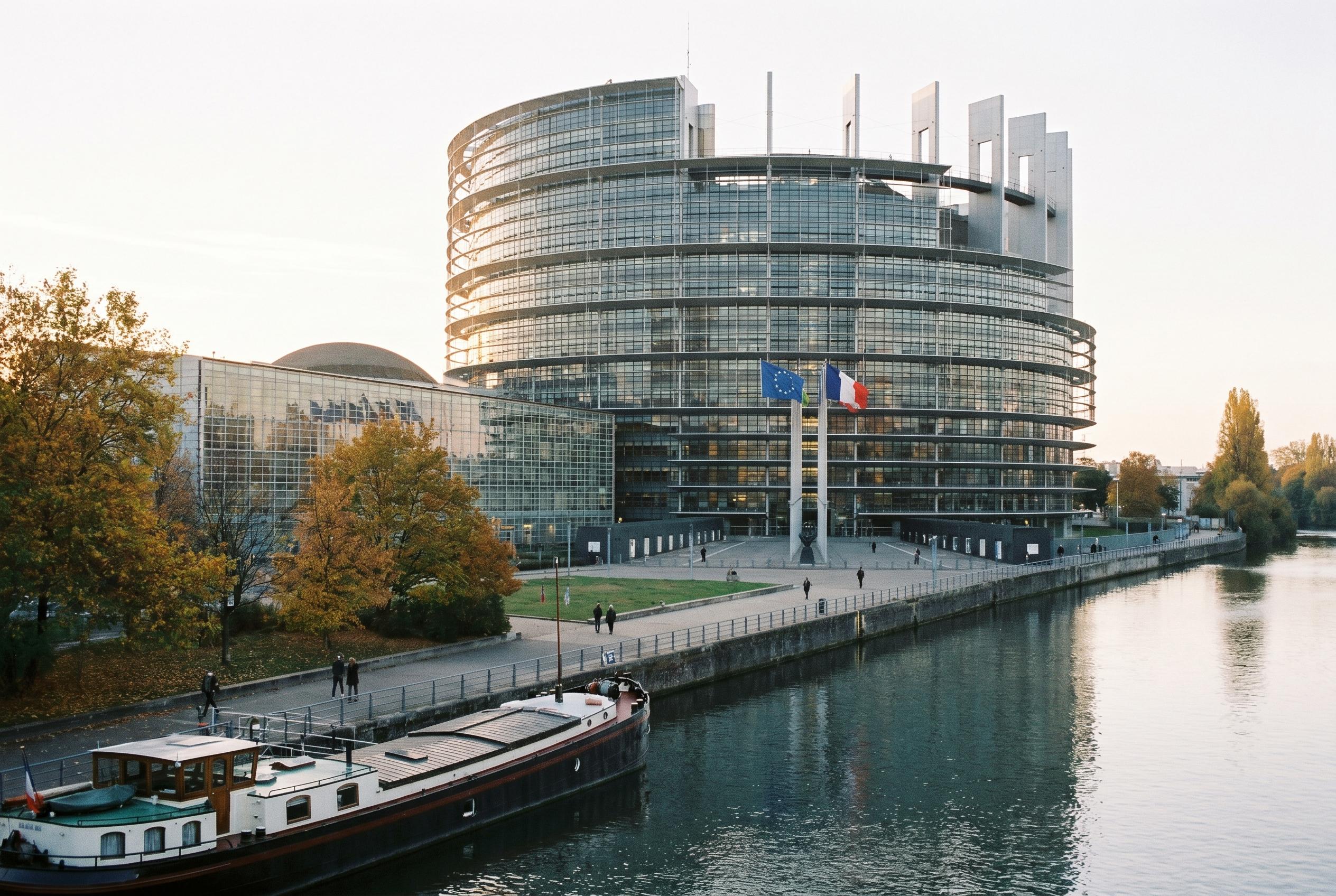
Watching democracy in action, MEPs voted this week to demand a Europe-wide ban on conversion therapy, a move driven by a citizens’ petition and human-rights warnings; the request now goes to the European Commission, and it matters for millions across the EU who want protection from abusive “so-called” treatments.
Essential Takeaways
- Citizen power: Over 1.2 million EU citizens backed a European Citizens’ Initiative to ban conversion practices, triggering parliamentary scrutiny.
- Parliamentary vote: The European Parliament adopted an opinion this Wednesday calling for an EU-wide prohibition, now sent to the European Commission.
- Expert voices: UN and EESC experts called the practices harmful, coercive and contrary to human dignity.
- Patchwork laws: Seven member states already ban conversion therapy, but practices persist in parts of the EU, so an EU law would harmonise protections.
- What to expect: The Commission is the only body that can propose binding legislation; it will respond to Parliament’s demand and may draft a law.
How a citizens’ petition helped push an EU-wide debate
It’s striking how grassroots pressure shaped this moment: more than 1.2 million signatures on a European Citizens’ Initiative forced the issue onto the EU agenda. The initiative, launched in 2024, met the threshold that requires EU institutions to take up the topic and hold hearings, and that public weight made it politically hard to ignore. According to European Parliament materials, MEPs and committee members held hearings and debates that framed conversion practices as abusive rather than therapeutic.
What the European Parliament actually did this week
MEPs voted to adopt an opinion demanding a ban on conversion therapy practices across the EU and forwarded that opinion to the European Commission. That’s an important step, even though Parliament itself cannot pass binding EU-wide law without the Commission proposing it. Reuters and other outlets noted the vote’s symbolic and practical value: it signals strong political support and increases pressure on the Commission to act.
Voices that shaped the decision: EESC and UN input
The European Economic and Social Committee held a debate and issued two opinions urging stronger enforcement of the EU’s LGBTIQ+ Equality Strategy 2026–2030 and calling explicitly for a conversion therapy ban. EESC President Séamus Boland described these practices as violations of dignity, while Graeme Reid, the UN independent expert on sexual orientation and gender identity, argued a ban is central to meeting human-rights obligations. Those testimonies helped frame conversion practices as coercive and harmful rather than clinical interventions.
Why an EU-wide ban matters beyond symbolism
At the moment, only seven EU countries ban conversion therapy outright, including France, Portugal and Spain, leaving a patchwork of protections. An EU law would harmonise rules, close loopholes and give victims clearer remedies across borders. Practically, it would also make prosecutions and enforcement more consistent and support prevention campaigns. For families and survivors, the change would mean stronger legal recognition that such practices are unacceptable.
What happens next: the Commission and potential timelines
The European Commission is now expected to respond. It’s the only institution that can table a binding legislative proposal, which would then travel back to Parliament and the Council for negotiation. Watch for consultation steps, impact assessments and likely pushback from some member states or interest groups. If the Commission proposes a law, we could see debates over scope , for example, definitions of coercion, coverage of minors, and enforcement mechanisms , before any final measure lands.
It's a small but decisive step toward making Europe safer and more dignified for queer people.
Source Reference Map
Story idea inspired by: [1]
Sources by paragraph: