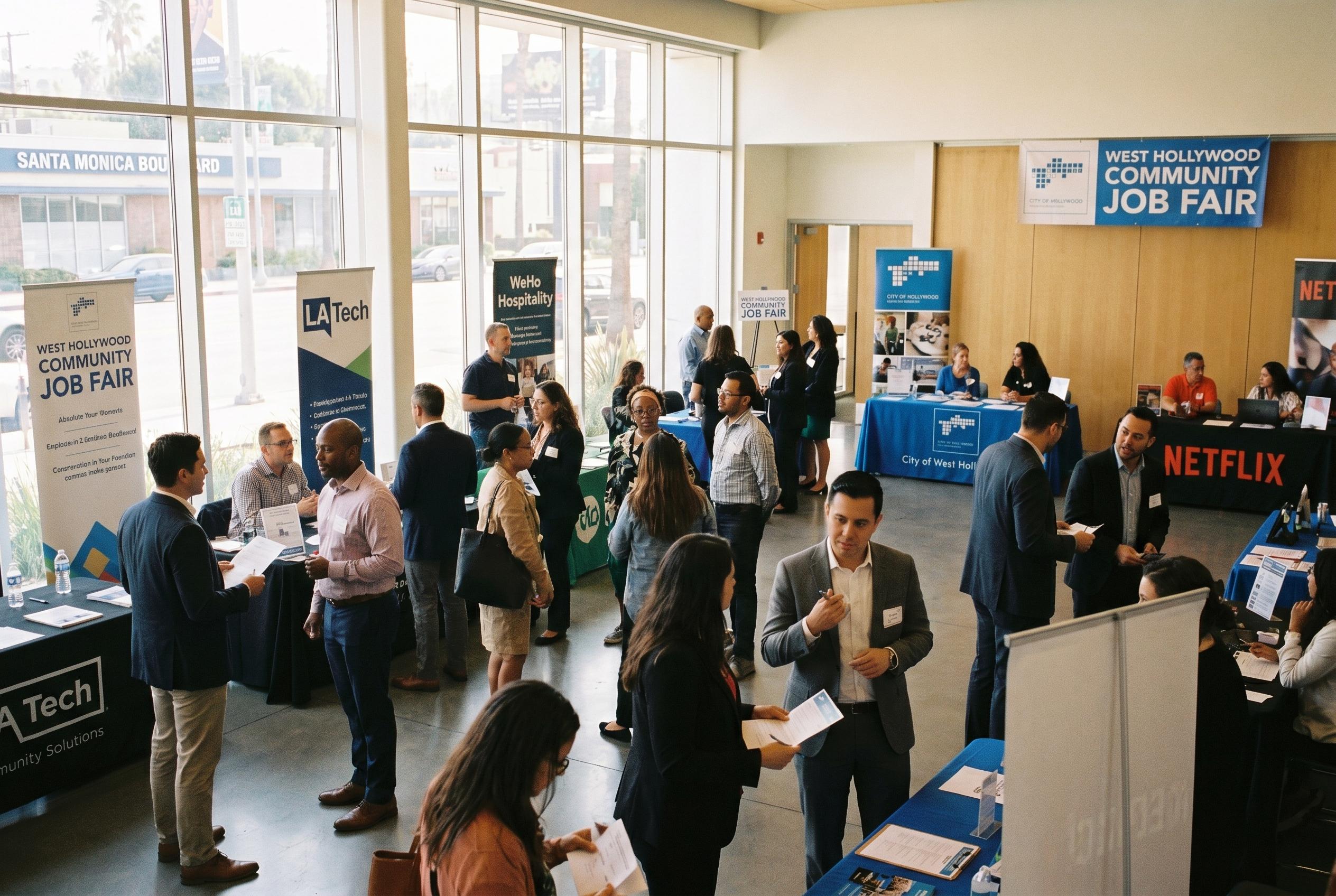
Shoppers for opportunity showed up: on 21 April the TransLatin@ Coalition staged a job fair at the West Hollywood Aquatics & Recreation Center that connected trans, gender-expansive and intersex jobseekers with welcoming employers , a practical, hopeful response to persistent workplace discrimination.
Essential Takeaways
- Who showed up: Around 20 employers and community organisations attended, aiming to hire and support trans, gender-expansive and intersex applicants.
- Safe, affirming space: The event took place at the West Hollywood Aquatics & Recreation Center, chosen for accessibility and a welcoming vibe.
- Why it mattered: Ongoing federal and societal attacks mean targeted hiring events remain vital for workforce access and safety.
- Services on offer: Attendees could access job leads, resources and referrals to support services , an on-the-spot bridge to employment and care.
- Local momentum: The fair links to the Coalition’s broader work, including careers, programmes and a new community hub under development.
A practical, person-first event that felt like relief
The strongest impression was how deliberately the day was designed to calm nerves and spark possibility; the space felt bright, organised and respectful, not clinical or tokenistic. According to local listings and event notices, the Coalition curated the venue and employer mix to make people feel seen. For many attendees this wasn’t just networking , it was relief, a chance to meet hiring managers who’d already signalled allyship. If you’re job-hunting, seek events that advertise specific inclusion practices and reachable roles; it saves time and stress.
Employers that wanted to hire, not just check a box
About 20 employers and organisations took part, showing a mix of job opportunities and supportive services. The Coalition framed participation as more than PR: these were recruiters and HR teams committed to tangible hiring. Community leaders like Bamby Salcedo emphasised that ally companies must step up when federal rhetoric and policies make work life riskier for trans and gender-expansive people. If you’re an employer, simple steps , clear non-discrimination language, trans-inclusive benefits, and visible training , go a long way to attracting talent.
Why targeted fairs still matter in 2026
Discrimination doesn’t disappear because laws change; it mutates. The Coalition’s fair responded to a political backdrop that many attendees described as hostile, and that made a curated, trusted environment essential. State and local listings show similar fairs are increasingly common because community-specific barriers persist. Practical tip: when attending, bring multiple CV copies, a short cover note about your preferred name and pronouns, and a list of references who can speak to your skills , it helps conversations move from sympathy to hiring.
How the Coalition’s wider work supports jobseekers
The job fair sits within a broader roster of services the TransLatin@ Coalition offers, from career referrals to community programmes and advocacy. They’re building physical capacity too, with a new headquarters and expanded services in the pipeline, signalling long-term investment rather than one-off events. For jobseekers, that means follow-up matters , register with the Coalition’s careers portal, ask about training scholarships, and lean on case managers when you need application help or benefits navigation.
What participants said and what’s next
Organisers and attendees described the day as hopeful and practical; employers left with referral-ready candidates and community members left with real contacts. The Coalition framed the fair as part of an ongoing effort: these events create pipelines into employment and into services that can stabilise lives. Watch for similar local events and, if you can, support them , employers by showing up and hiring, allies by amplifying opportunities, and funders by investing in sustained community infrastructure.
It's a small change that can make every job search a bit safer and a lot more promising.
Source Reference Map
Story idea inspired by: [1]
Sources by paragraph: