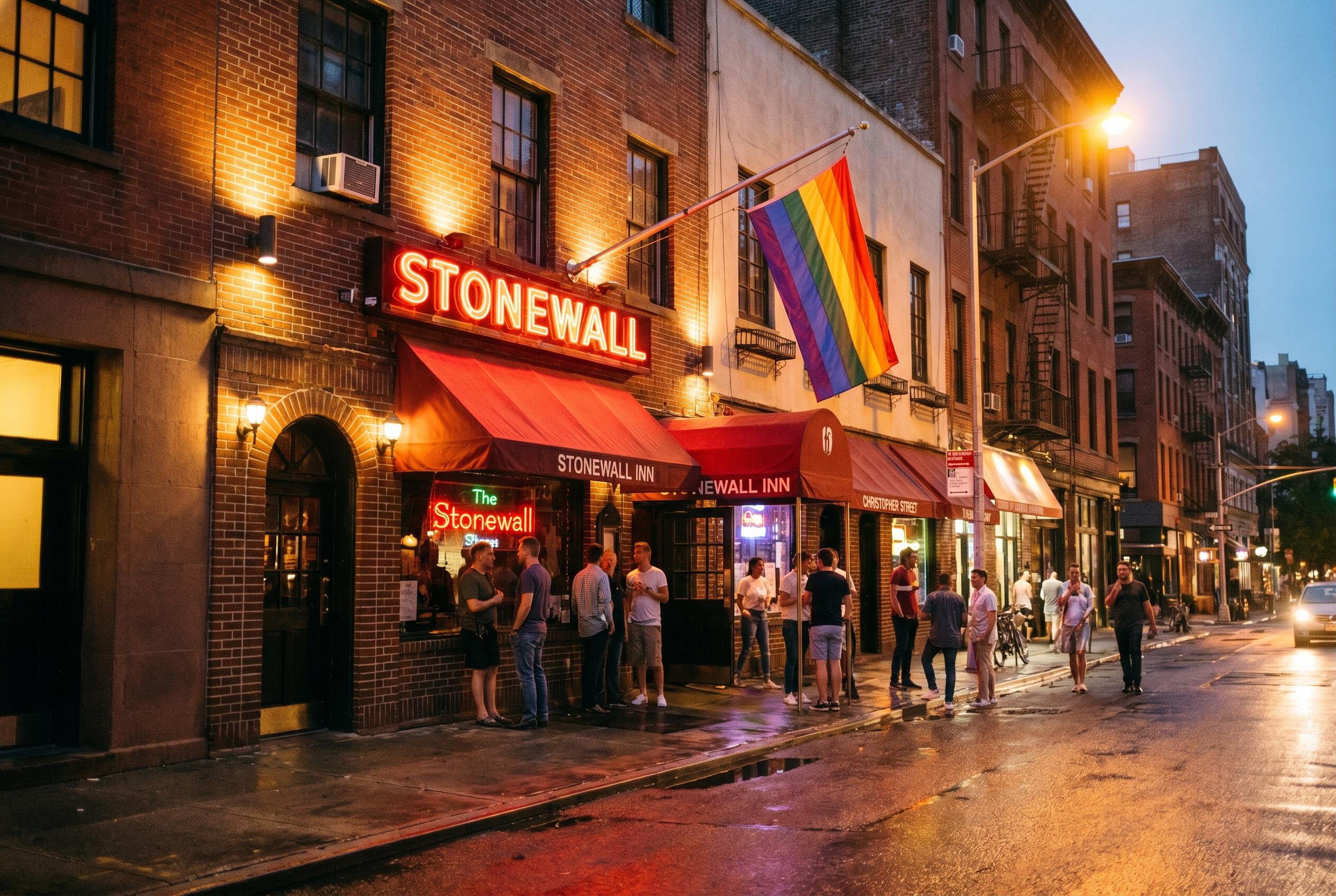
Shoppers are watching politics up close in Manhattan: Carl Wilson , a former chief of staff to a city senator , has claimed victory in the special election for Manhattan’s 3rd District, a seat that includes the Stonewall Inn and decades of LGBTQ+ political history. The result matters for local power dynamics, representation debates, and the balance between progressive and moderate Democrats.
Essential Takeaways
- Historic seat continues LGBTQ+ streak: The 3rd District will be represented by an openly gay councillor for the fifth consecutive term, keeping a long local tradition alive.
- Moderate coalition prevailed: Wilson’s win is seen as a success for moderate Democrats and major endorsements, even as he joins the council’s progressive caucus.
- Ranked-choice totals leaned early: Approximately 43% of counted ballots put Wilson first on election night, with rivals splitting the remainder.
- Policy over identity at the polls: Voters interviewed emphasised housing, transit and services over candidates’ identities, though representation remained a live issue.
- Pro-trans advocacy remains central: Wilson has framed defending trans rights as a priority, positioning his office as a local bulwark amid national fights.
What happened and why it matters locally
This wasn’t just another special election; it was a symbolic moment for a district that holds immense cultural weight for the LGBTQ+ community. The Stonewall Inn sits inside the 3rd District, which includes Chelsea, Hell’s Kitchen, the West Village and Greenwich Village , neighbourhoods long associated with activism and queer life. That legacy makes every new councillor’s stance on LGBTQ+ rights feel especially significant, and Wilson’s victory keeps that lineage intact.
The contest also signalled who holds influence in New York’s Democratic circles. Julie Menin and several unions backed Wilson early on, giving his campaign institutional heft. Meanwhile, Mayor Zohran Mamdani’s endorsement of a different candidate turned the race into a small but telling proxy battle between the city’s moderates and its progressives. It’s the sort of local fight that can ripple into council dynamics.
Representation debate: identity versus policy
A persistent question in this race was whether this particular district should be represented by an LGBTQ+ person. Wilson was the only out candidate among the leading four, and his victory means the 3rd District stays represented by someone from the community. But voters The Advocate spoke to on Election Day pushed back against identity as the deciding factor, saying policy priorities , like housing and transit , mattered more.
That tension is familiar in modern politics: symbolic representation matters, especially in places with deep histories, but everyday governance is often judged on services and street-level priorities. Wilson has to navigate both.
How the politics played out , endorsements and ranked-choice
Endorsements really mattered here. Wilson picked up support from local LGBTQ+ groups, labour unions and established elected officials, which translated into early momentum. Ranked-choice voting also shaped the narrative , with 43% of ballots listing Wilson first on election night, the redistribution of preferences became less dramatic than some anticipated.
The mayor’s endorsement of Lindsey Boylan elevated the contest’s profile, but it wasn’t enough to overturn the coalition behind Wilson. For campaign watchers, the takeaway is simple: local networks and union backing still pack a punch, even in a progressive city.
Policy priorities to watch with Wilson in office
Wilson ran on familiar urban concerns: more affordable housing, better crisis intervention services and stronger public transit. He’s also emphasised protecting trans rights as an urgent priority, framing his role as necessary resistance to federal policy trends that he and allies see as hostile.
Practically, residents should expect Wilson to focus on housing proposals and city services while using his platform to defend LGBTQ+ protections. If he follows through on campaign promises, the district could see shifts in how city resources are channelled toward crisis services and transit improvements.
What this means for the council’s future
With Wilson saying he’ll join the progressive caucus despite moderate backing, the council’s internal balance remains intriguingly complex. His presence could smooth some moderate-progressive divides, or he might become a swing vote on certain measures. Either way, his victory is a reminder that local politics resists easy labels.
As city hall approaches new budgets and policy fights, keep an eye on how Wilson leverages his background and relationships. He’s promised to be vocal on trans rights , and in a council where alliances matter, that voice could be influential.
It's a small change that can make every vote and every voice in the district count a little more.
Source Reference Map
Story idea inspired by: [1]
Sources by paragraph: