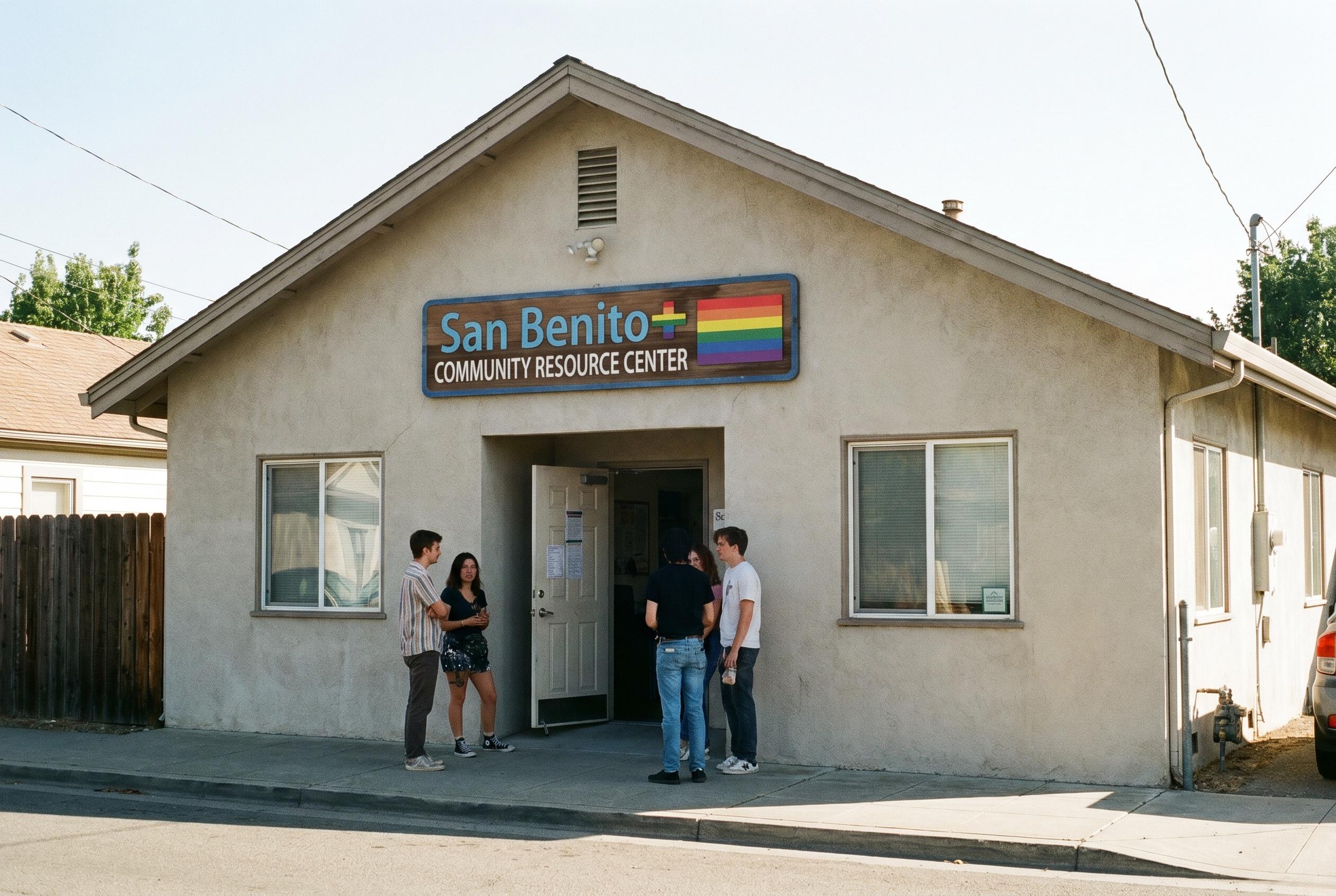
Shoppers are turning to community-led support as queer teens in small towns search for safety and care that’s actually local. Young people, parents and providers in San Benito County are building clubs, pushing for funded services and finding lifesaving allies , because access, not tolerance, changes outcomes.
Essential Takeaways
- High risk: CDC data shows LGBTQ+ students report far higher rates of sadness and suicidal thoughts than their cisgender, heterosexual peers.
- Local gaps: Small counties often lack regular, gender-affirming services; San Benito’s San Benito+ closed in 2024 for low engagement.
- Community solutions: School clubs, youth groups and nonprofits like Youth Recovery Connections are filling the void with peer support and emerging treatment sites.
- What works: Gender-affirming policies, pronoun respect and access to affirming clothing and facilities correlate with lower suicide attempts.
- Practical help: Crisis lines (TrevorLifeline, 9-8-8, local behavioural health) and targeted youth programmes make an immediate difference.
Why grassroots spaces matter more than you might think
There’s a quiet, tactile comfort in a park bench, a school drama room or a club meeting where queer teens can be themselves without explanation. Local students in Hollister describe these spots as the difference between dread and breathing room. According to The Trevor Project and CDC research, feeling accepted in your community halves the rate of suicide attempts for LGBTQ+ youth, so these informal hubs aren’t fluff , they’re prevention. If you’re helping set one up, start small: regular times, clear confidentiality rules and a named adult ally so teens can test safety without overexposure.
When county services fail, youth-led initiatives step up
San Benito County’s San Benito+ program closed after struggling to reach people, a reminder that funding alone isn’t a cure. Community leaders and youth organisers like Gael Barba-Solis turned that setback into action by creating school clubs and partnering with groups such as Youth Recovery Connections. YRC has won new Prop 1 funding to expand to a Hollister treatment site , a valuable example of how local NGOs can convert bond dollars into real-world access. For administrators, the lesson is blunt: invest in outreach and full-time coordination, not just occasional drop-in sessions, if you want consistent engagement.
Schools, theatre groups and clubs: the unexpected safe spaces
Teachers, drama departments and peer clubs often become the first place teens try out their identity. Students in Hollister say theatre and school clubs gave them pronoun practice, wardrobe options and a community to fall back on. According to state guidance on safe spaces, schools that offer gender-neutral bathrooms, respect pronouns and allow affirming clothing significantly lower distress among trans and nonbinary youth. Practical tip for parents: ask schools about their policies and look for active student groups rather than one-off assemblies; continuity matters.
Why specialised, affirming care reduces crises
Clinical data and local testimony both point the same way: affirming medical and behavioural care is protective. The Trevor Project’s research shows lower rates of suicide attempts where young people have access to gender-affirming clothing, inclusive facilities and trusted adults who respect pronouns. Local teens described long commutes to find providers, missed prescriptions when insurance lapses, and the strain of services being too far away. Counsellors and policymakers should prioritise telehealth, sliding-scale clinics and on-site school options while regional centres are built.
How to choose and support local programmes
If you’re a parent, educator or commissioner trying to navigate options, start with accessibility and cultural competence. Look for programmes that advertise youth input, confidentiality practices and staff trained in sexuality and gender diversity. Organisations like youth recovery groups, LGBTQ+ counselling networks and national suicide-prevention charities offer models and training that small counties can adapt. And remember: funding windows like Prop 1 are a rare opportunity , insist on youth-centred planning, measurable outreach goals, and a dedicated coordinator to sustain momentum.
It's a small change that can make every teen feel safer , and that breathing room can save lives.
Source Reference Map
Story idea inspired by: [1]
Sources by paragraph: