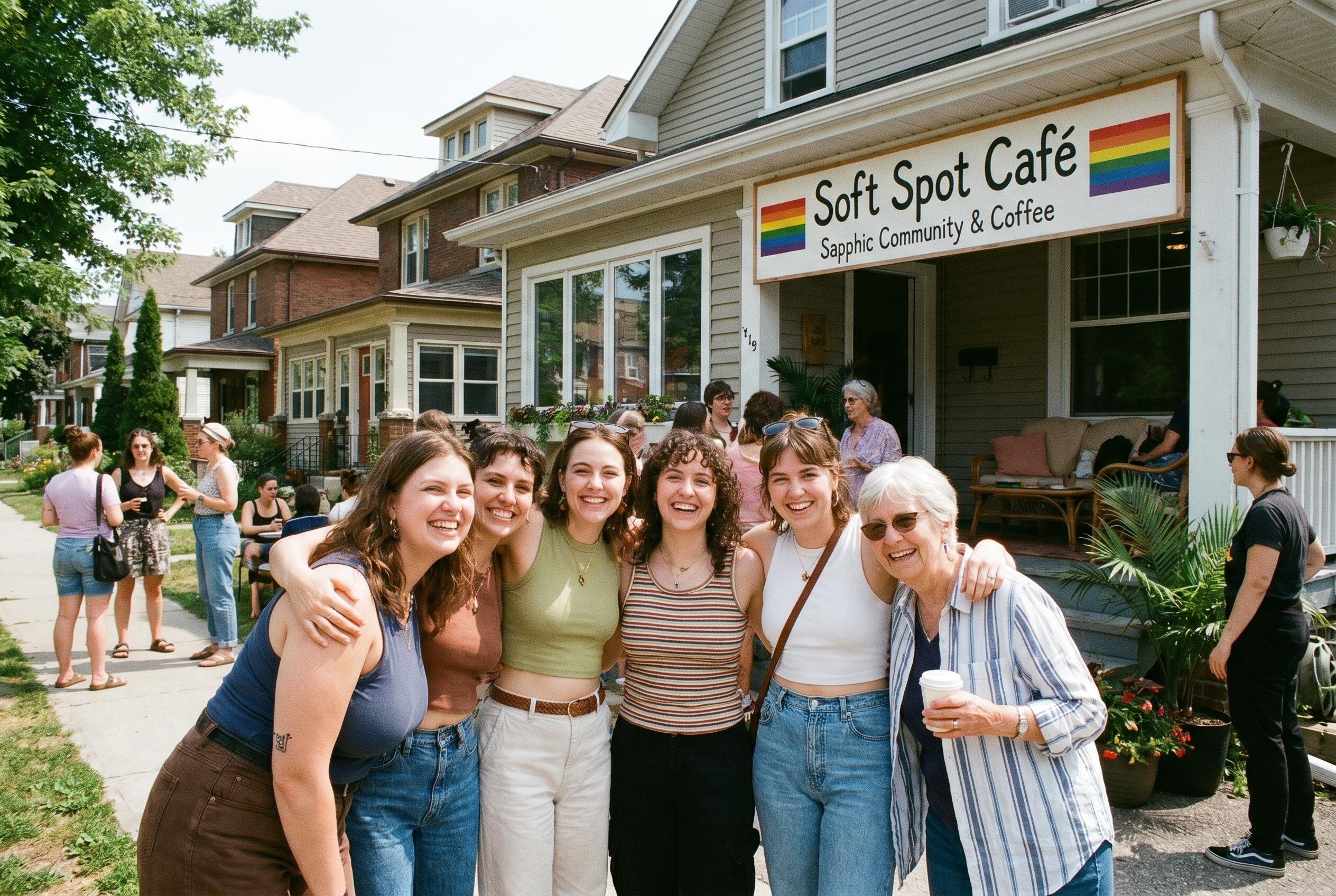
Shoppers and neighbours alike are turning out to grassroots gatherings: Pittsburgh’s new sapphic café, The Soft Spot, hosted a multigenerational Lesbian Day of Visibility celebration that mixed music, art stations, and oral history , a reminder that visible, sober community spaces make queer life livelier and safer.
Essential Takeaways
- Heartfelt turnout: Multiple generations of Pittsburgh lesbians gathered at The Soft Spot, creating a warm, music-filled atmosphere with local DJs and potluck treats.
- Hands-on community: Attendees made collage art, bracelets, and contributed to a community tarot deck while sipping coffee , creative, low-pressure mingling.
- Living history: A panel of lesbians aged 40-plus shared coming-out stories and marriage memories, linking past activism to present visibility.
- Local organising: The day included queer portraits, tattoo pop-ups, information from Frontline Dignity, and anti-ICE whistle-kit materials , practical and political.
- Generational bridge: Organisers emphasised showing how visibility today builds safety for younger queer people and honours earlier struggles.
Why a little café feels like a big deal for visibility
There was a soft hum of DJs and the smell of coffee when people drifted in and out of The Soft Spot, and that domestic, everyday vibe is exactly why spaces like this land so deeply. According to local coverage, co-owners Samm and Aerin Adams-Fuchs designed the event to be inviting rather than performative, and that choice paid off; people arrived together under the same umbrella of identities rather than making solo pronouncements. It’s the kind of scene that says community before commodity, and it matters because visibility without warmth can feel exposed.
Old stories, new contexts: panels that bridge decades
Bringing older lesbians onto a panel changed the tone from celebration to remembrance, and it’s striking how small acts , renting a B&B in Vermont for a civil union, for instance , read like radical self-declaration now. Guests recalled marriages and long partnerships that predate nationwide legal recognition, which the audience received as living proof that today’s rights were hard-won. These conversations give younger attendees context and gratitude, but they also prompt a practical takeaway: ask elders about organising tactics, safe meeting places, and how to archive local histories for future generations.
Crafting, coalition-building and quiet politics
The day mixed crafts with campaigning: collage tables sat beside an information table from Frontline Dignity and a station to make anti-ICE whistle kits. That’s community organising in miniature , convivial but purposeful. Local pop-ups, like sapphic flash tattoos down the street at Kindred Spirit Tattoo Co., and queer portrait sessions, underscored that visibility can be creative and accessible. If you’re planning something similar, couple social activities with bite-sized civic tools; people are more likely to engage when an organising action is simple and tangible.
Why intergenerational visibility protects younger people
Speakers made the case plainly: being visible in family and neighbourhood spaces helps make things safer for the next generation. One panelist noted that coming out in the 1990s allowed them to build community early, which in turn supported younger people later on. That’s the practical lesson , visibility isn’t just about being seen, it’s about creating networks of mutual aid. So if you want to help, show up, share your story, or sponsor a tea and listening hour where younger people can meet older role models.
What to look for in local Lesbian Day of Visibility events
When you’re choosing an event, look for three things: accessibility (sober and welcoming), intersectional programming (art plus advocacy), and intergenerational presence. Places like The Soft Spot hit those marks by offering a sober space, hands-on art, panels that honour history, and partner tables from mutual-aid groups. For hosts, keep entry free or low-cost, offer quiet corners for sensitive conversations, and make sure older attendees can participate comfortably , that’s how you build a durable community.
It’s a small change that can make every gathering warmer and every voice safer.
Source Reference Map
Story idea inspired by: [1]
Sources by paragraph: