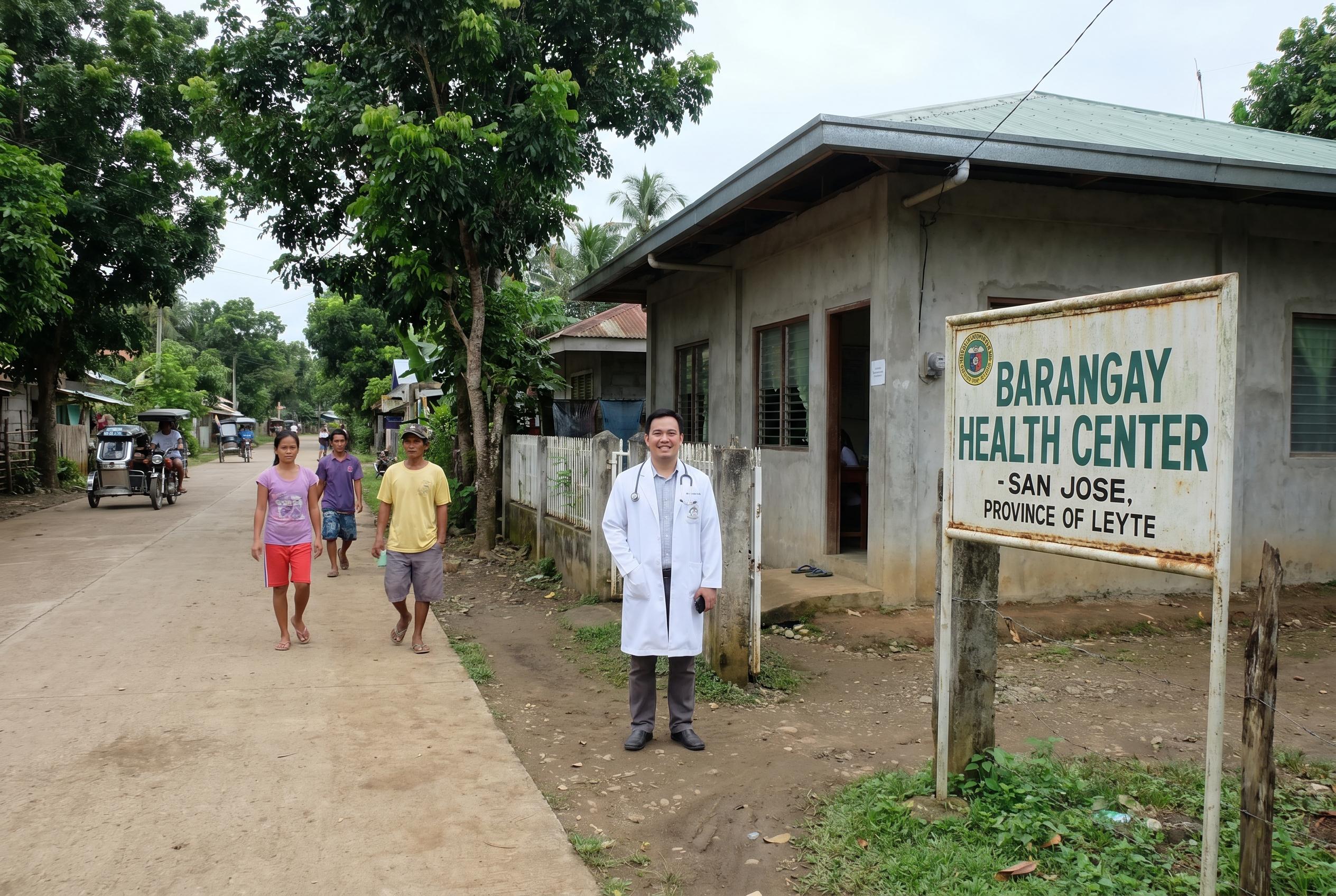
Shoppers of policy take note: a fresh US-Philippines health pact promises closer cooperation and a push for “self-reliance” , but community HIV and LGBTQ service providers are watching nervously to see who loses out, and why it matters for testing, prevention and treatment on the ground.
Essential Takeaways
- What happened: The United States and the Philippines signed a joint declaration on bilateral health cooperation aimed at strengthening the Philippines’ capacity to manage health services more independently.
- Focus areas: The agreement highlights co-funding, workforce development, health information systems and emergency preparedness , practical building blocks, but not explicit on marginalised groups.
- Local concern: HIV and LGBTQ service providers worry a shift from donor-backed, community-led programmes to government-to-government funding could limit access for vulnerable people.
- Practical effect: If international technical support and targeted funding drop, testing, prevention and treatment programmes that rely on those resources may face gaps.
- Sensible next step: Clear safeguards and earmarked support for community-led HIV services would reduce the risk of leaving high-need groups behind.
Why this pact landed in the headlines
The pact, announced in early April, reads like a blueprint for capacity building: co-funding, training health workers, boosting data systems and prepping for emergencies. That sounds reassuring , stronger systems usually mean steadier care and less scrambling in crises, and you can picture cleaner clinics and better records. But community groups say the phrase “self-reliance” can be a double-edged sword when it’s used as the reason to scale back direct support to marginalised services.
How “self-reliance” can shift who gets care
According to commentary from service providers, programmes serving LGBTQ communities and people living with HIV in the Philippines have historically leaned on international funding and technical help. Moving towards bilateral funding models often means money flows into national systems rather than community-run clinics. That’s fine for broad public-health priorities, but targeted services that understand stigma, privacy and trust may lose their lifeline. So the worry is not the goal itself, it’s how the goal gets implemented.
Lessons from other regions and what advocates say
Community groups in other parts of the world have flagged similar deals before. When donor funding was rechanneled into government-to-government frameworks, some local organisations found it harder to sustain outreach to marginalised populations. Advocates argue that international partners can still help build national capacity while protecting dedicated funding streams , imagine technical support plus ring-fenced grants for community-led testing and prevention. That balance keeps broad system gains without sacrificing the hard-to-reach.
What this means for people who use HIV services now
On the ground, continuity matters: steady testing, confidential counselling and reliable antiretrovirals are not easily replaced. Practical considerations include the size and scope of co-funding, whether civil-society groups can access new funding channels, and if national programmes will prioritise stigma-sensitive care. If you’re a service user or work in a clinic, the immediate questions are about referral pathways, supply chains and whether outreach teams will keep operating.
How to watch the rollout and what to ask next
Keep an eye on implementation details: will the agreement publish funding schedules, eligibility rules for grants, or mechanisms for community input? Civil-society organisations should push for transparency, monitoring clauses and protections for marginalised services. Policymakers can be pragmatic , build workforce capacity and health systems while maintaining targeted support for the people most at risk.
It's a small change in phrasing that could have big consequences , so watch how "self-reliance" is translated into action.
Source Reference Map
Story idea inspired by: [1]
Sources by paragraph: