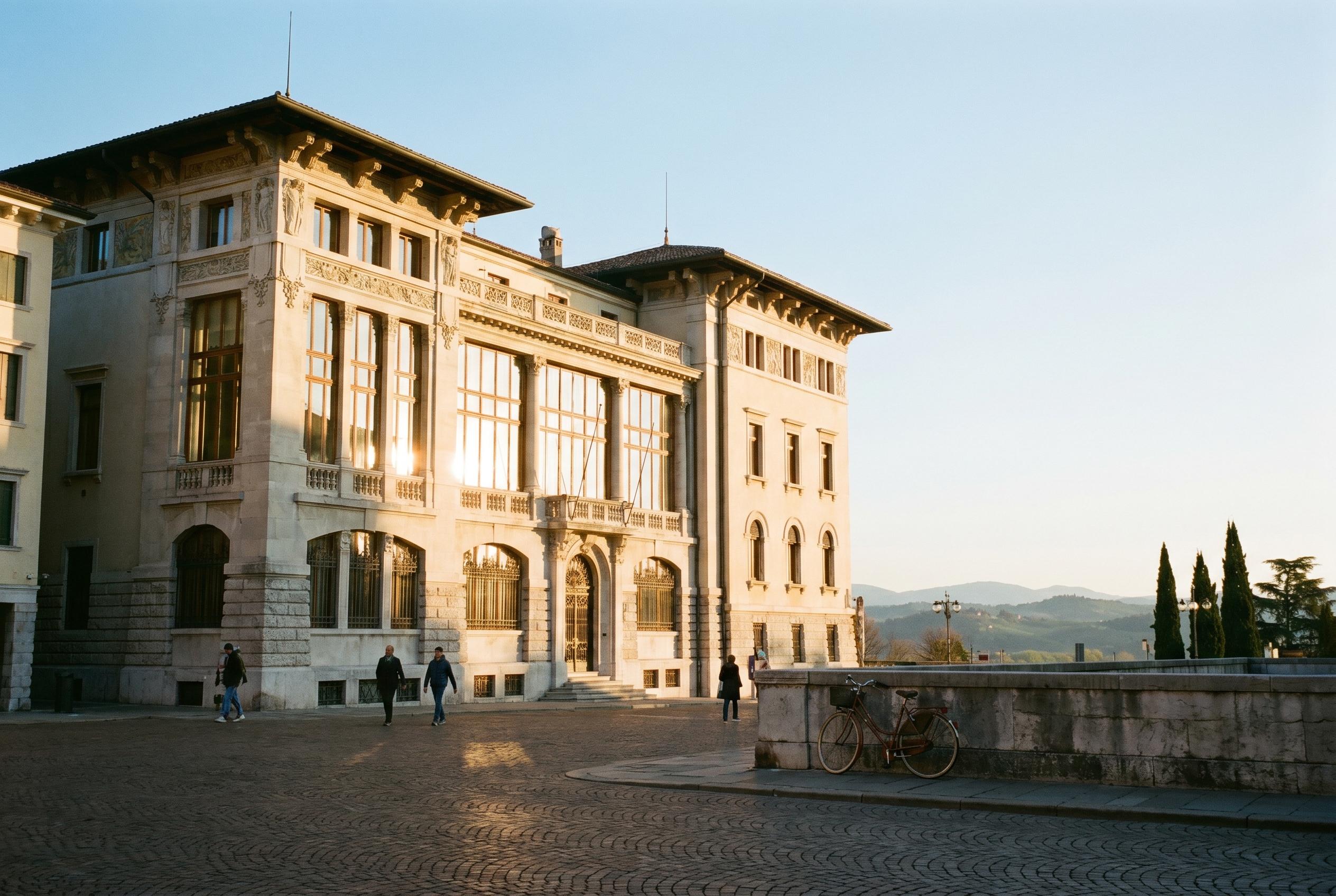
Notice the tug-of-war that unfolded in Udine: local veterans’ group Alpini and the FVG Pride organisers collided over the same September date, sparking a tense but ultimately conciliatory reshuffle that says a lot about civic space, identity and how small cities manage public life. Here’s what went down, who chose to move, and what it means for organisers and residents.
Essential Takeaways
- Two events, one day: The Alpini section of Udine requested 26–27 September for their annual gathering; FVG Pride later asked for the 26th, creating a clash over public space.
- Alpini stance: The local Alpini president said the association’s values are “not compatible” with Pride, asking the municipality to pick one or the other.
- Pride response: FVG Pride declined to be excluded, but chose to move the parade to safeguard community safety and cohesion.
- Municipal role: The mayor and deputy mayor framed the outcome as protecting everyone’s right to assemble, praising Pride’s decision as responsible.
- Tone and feeling: The episode left a bittersweet air , relief at a peaceful solution, discomfort at the exclusionary logic that started it.
What actually happened in Udine , clear clash over a September date
The simple fact is this: two groups asked to use the same public space on the same day, and it rapidly became a symbolic problem. According to local reporting, the Alpini submitted their request first, in December, for a late-September gathering. When organisers of the FVG Pride later applied for 26 September, the overlap sparked a formal ultimatum from the veterans’ association. The picture felt immediate and human , a town calendar, a public square, and two very different crowds who both want to be seen.
Local politicians tried to calm things, but the Alpini letter to the mayor made their position plain: they said their history, statutes and values left “no room” for sharing the day. That uncompromising tone turned a scheduling matter into a culture clash, and forced a municipal balancing act between rights, tradition and public order.
Why the Alpini position matters , identity, history and local rituals
The Alpini are more than a parade; they’re a century-old association tied to military history and community rituals in Italy. For many members, those rituals are sacred, and any perceived challenge to that space can feel like an affront. Their president framed the issue as moral and statutory incompatibility, not just logistics.
That context helps explain why the group demanded exclusivity rather than a negotiated sharing of time or route. It also highlights the way local events carry emotional weight: this was about more than a street on a given day, it was about who gets to occupy the public symbolically.
How FVG Pride reacted , dignity and a strategic move
FVG Pride’s leadership pushed back against being told they could be excluded from public life, arguing that Pride exists to claim rights, dignity and visibility. Yet, in what the mayor called an act of responsibility, Pride opted to change the date rather than escalate tensions.
That decision reads as strategic and community-minded: organisers weighed the symbolic cost of standing their ground against the practical cost of a public showdown. They kept their message intact , demanding inclusion and a stronger civic response , while avoiding a clash that might have polarised the city.
The municipality’s balancing act , protecting rights without picking sides
The mayor and deputy mayor repeatedly framed their role as protecting everyone’s freedom to demonstrate. Rather than impose a solution, the local authority emphasised creating conditions so both events could succeed without friction. After the dust settled, officials praised Pride’s choice to move the parade as contributing to a calmer, more inclusive atmosphere.
This approach shows how mid-sized cities often handle contested public-space claims: through mediation, nudges and moral suasion rather than blunt mandates. It also underlines a practical truth , officials prefer solutions that keep public life functioning and tensions low.
What this means for organisers and residents , lessons and next steps
Organisers on both sides should take a pragmatic lesson from Udine. Book public dates early, communicate clearly, and plan contingency routes or alternate days if a conflict appears. For groups with strong identities, consider dialogue before public letters are sent; for civic leaders, a proactive calendar and clearer rules on overlapping events would stop similar rows in future.
Residents get a quieter September for now, but the incident is a reminder that public space is contested and that inclusivity sometimes requires strategic choices from those fighting for visibility.
It's a small civic puzzle with a big human edge , and one worth watching as other towns face the same calendar crunches.
Source Reference Map
Story idea inspired by: [1]
Sources by paragraph: