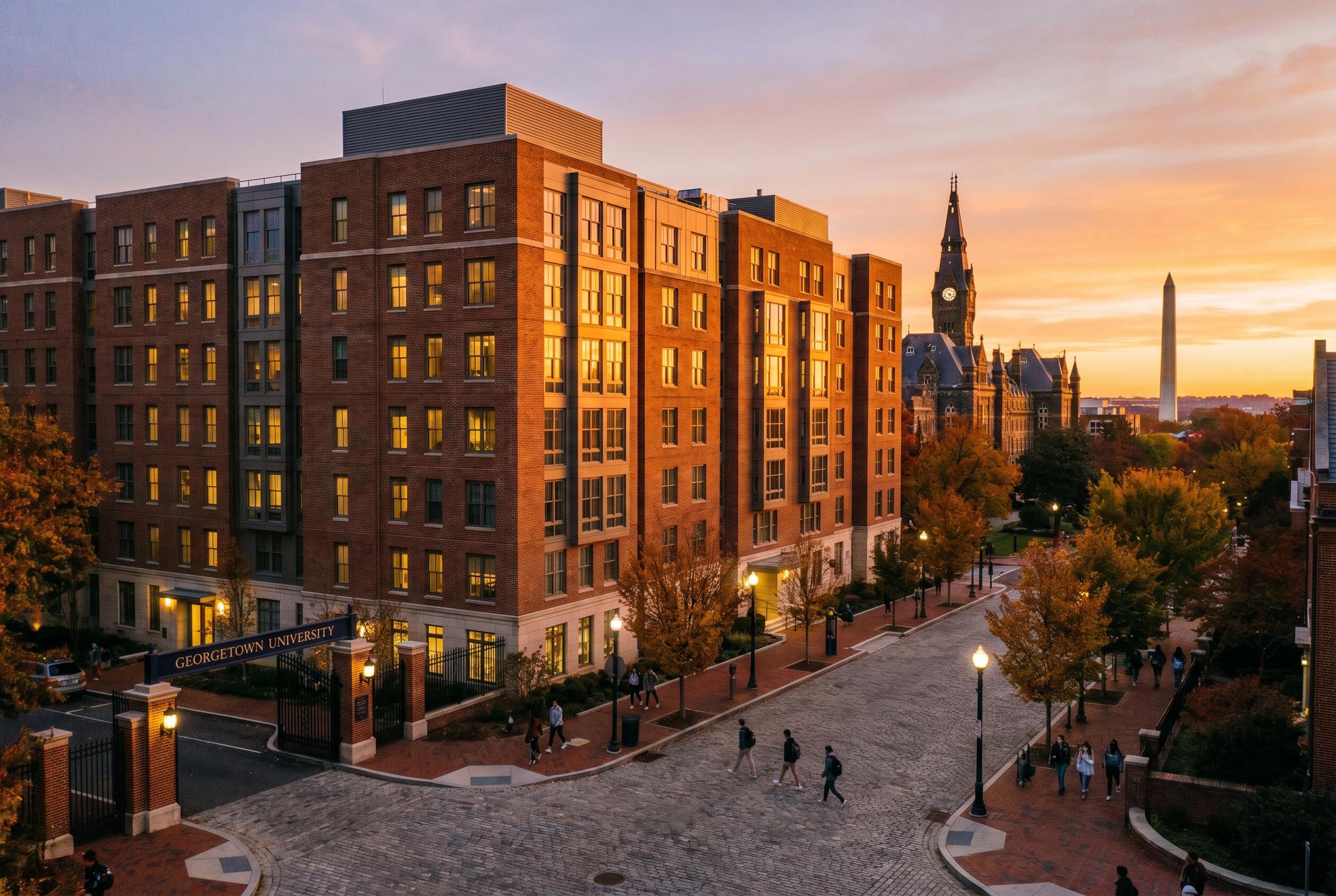
Shoppers of campus life are rallying: Georgetown students have formally asked administrators for a dedicated LGBTQ+ affinity space, the Lavender Haus, aiming to turn symbolic support into a visible, usable home where queer students can live, meet and celebrate community at the Jesuit university.
Essential Takeaways
- Formal request submitted: The Georgetown University Student Association lodged a proposal in February seeking a permanent LGBTQ+ affinity space.
- Multi-group collaboration: GU Pride, QPOC and GUSA co-authored the plan, after more than a year of joint work.
- Modeled on existing houses: The proposal uses The Black House and La Casa Latina as templates for inclusive housing and programming.
- Data-backed rationale: Georgetown’s 2021 Cultural Climate Survey showed higher reports of discrimination among trans and nonbinary students, which organisers cite as urgency for action.
- Next steps requested: Students are asking for a clear timeline, implementation plan and administrative commitment; organisers will keep pushing if the university delays.
Why students say a physical space matters now
A dedicated room feels different from a statement on a website , it’s tangible, warm and instantly usable. According to student organisers, the Lavender Haus would be a place to study, host events, find peer support or even live as an option for those seeking an affirming residential environment. The Hoya reported the formal submission of the proposal in February, and student leaders argue that a visible home signals more than goodwill; it offers everyday safety and community.
This push didn’t spring up overnight. GU Pride, QPOC and the Georgetown University Student Association spent more than a year collaborating on the proposal, drawing on networks across campus to make sure it reflects diverse needs. That coalition-building is strategic: involving multiple groups strengthens outreach to both students and administrators and frames the request as campus-wide, not niche.
How the plan borrows from existing affinity houses
Georgetown already hosts affinity residential models like The Black House and La Casa Latina that combine housing, cultural programming and student services. The Lavender Haus proposal explicitly models itself on these examples, suggesting shared lessons on governance, events programming and student leadership. It’s a practical move , administrators already have precedents to study, which could speed adoption.
For students choosing whether to back the idea, the precedent means less guesswork. If you’ve seen the Black House host talks or La Casa Latina offer mentoring, you’ve seen a template of what the Lavender Haus could deliver , a mix of quiet study space, event-ready rooms and informal hangouts.
The data that pushed the case: climate survey findings
Organisers are pointing to Georgetown’s 2021 Cultural Climate Survey to underline urgency. The survey found that transgender, genderqueer and nonbinary undergraduates reported discrimination at higher rates than cisgender peers, a sobering statistic that supporters say demands a tangible response. Using institutional data helps frame the request as part of the university’s own accountability work.
Invoking Jesuit values is another strategic move. Student leaders say appealing to Georgetown’s stated commitments to dignity, service and justice makes the proposal not just an add-on but a reflection of institutional mission. That framing may matter in discussions with administrators who weigh campus culture as well as space logistics.
What students are asking administrators to deliver
The proposal asks for more than permission: students want a timeline, a concrete implementation plan and a clear commitment to opening a physical space. GUSA leaders have said they’ll keep building student support and holding the university to its commitments, even if the plan can’t move forward for the next academic year. That persistence matters , campus change often comes slowly, and steady pressure plus broad backing improves the odds.
If you’re a student or ally, practical ways to help include signing petitions, attending forums, writing to representatives in student government and showing up at public meetings. The coalition hopes visible student interest will push administrators to act.
What this could mean for other Catholic universities
If Georgetown approves a Lavender Haus, it would create a visible model for other Catholic and Jesuit institutions wrestling with how to support LGBTQ+ students while navigating religious identity. Advocates say it would be proof that Catholic campuses can reconcile mission statements with concrete support for queer students, offering lessons on governance, pastoral care and student safety.
Of course, implementation will matter , from funding and staffing to how the space is promoted and protected. Still, the potential ripple effect is obvious: one well-run affinity house can be persuasive evidence that inclusion and religious mission needn’t be opposites.
It's a small change that can make every weekday feel more like home for LGBTQ+ students.
Source Reference Map
Story idea inspired by: [1]
Sources by paragraph: