Shoppers of goodwill are already circling their diaries , Black Tie Dinner has named one national and 18 local beneficiaries for its 45th annual fundraiser on 14 November in Dallas, and the mix promises to fund everything from housing and healthcare to arts and faith-based outreach for the LGBTQ+ community.
Essential Takeaways
- Major haul history: Last year Black Tie Dinner distributed a record $1.4 million, pushing lifetime giving above $33 million.
- Wide mix: Beneficiaries include healthcare, housing, advocacy, education, arts and religious groups serving LGBTQ+ Texans.
- Local heavy: Eighteen local organisations were chosen alongside national beneficiary the Human Rights Campaign Foundation.
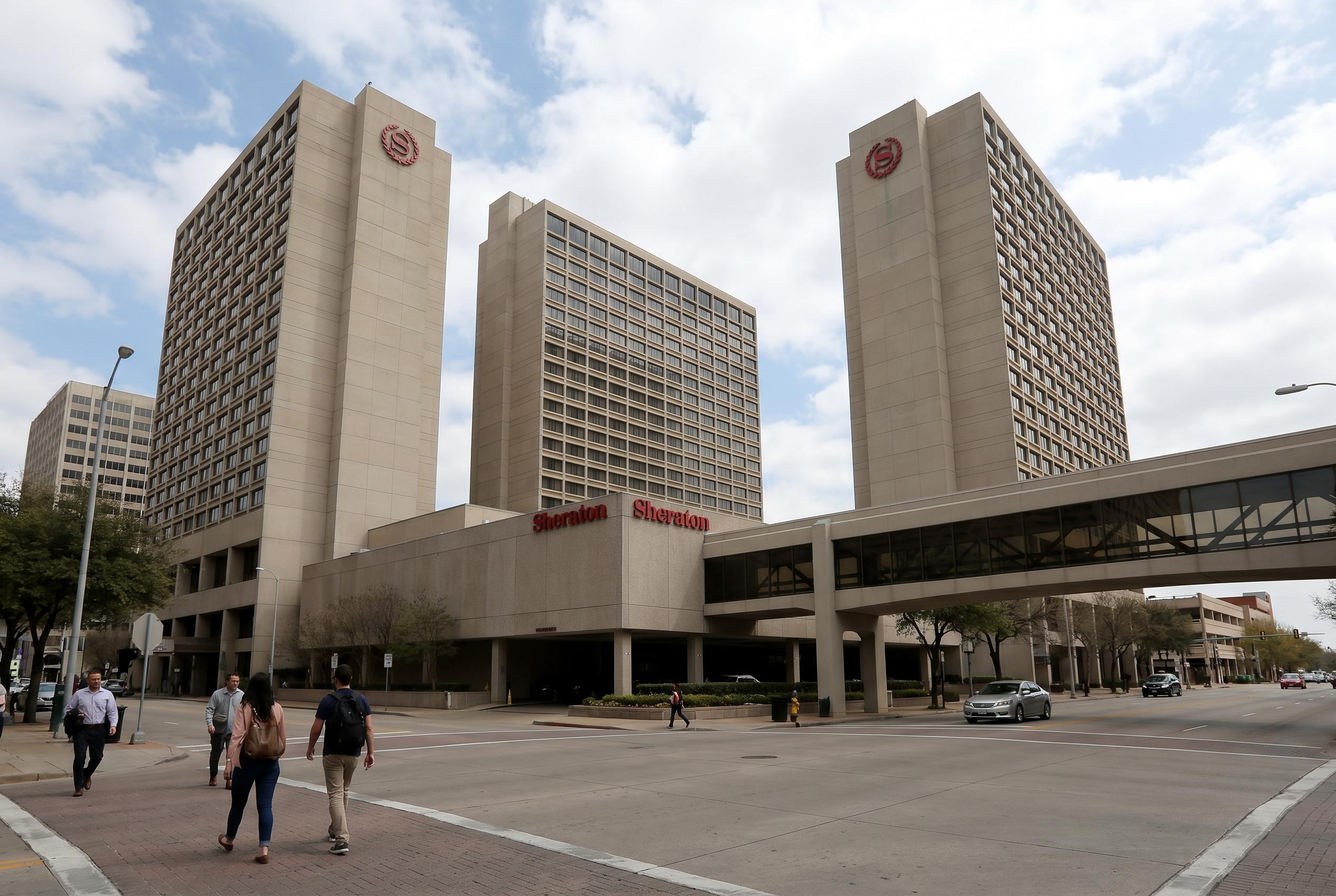
- Event details: The gala is set for 14 November at the Sheraton Dallas; the kickoff party is 6 May at Park Place Motorcars on Lemmon Avenue.
- Leadership: This year’s dinner is chaired by Deirdre Coleman and Joshua Williams, who’ll lead fundraising and programming.
What the beneficiary list tells us about priorities this year
Black Tie Dinner’s slate reads like a cross-section of the Dallas LGBTQ+ ecosystem: arts groups, faith communities, healthcare providers and direct-support charities all appear. That spread suggests organisers are balancing immediate needs , like housing and pregnancy resources , with cultural and advocacy work that builds community long term. For people who follow local philanthropy, the sensory take is familiar: determined volunteers, grassroots energy and a steady pipeline of need.
Who made the cut , local and national recipients
Among the 18 local recipients are Resource Center, Planned Parenthood of Greater Texas, Turtle Creek Chorale, Uptown Players, Northaven United Methodist Church and several community ministries and arts groups. The Human Rights Campaign Foundation will serve as the national beneficiary. This mix gives the gala something for everyone: donors who care about clinical services, arts lovers who want to fund performance groups, and faith allies supporting welcoming congregations. It also reflects how funding choices can signal what organisers see as urgent.
Why the money matters , context and impact
According to reports, last year’s record payout of $1.4 million brought total giving above $33 million since Black Tie Dinner began, so each year’s selections matter. Grants like these fund rent assistance, medical care, advocacy campaigns and youth services that otherwise struggle for steady revenue. For instance, a small grant to a theatre company can underwrite an entire season’s outreach, while support for a housing charity can stabilise several households at once. In short, the dollars translate into quick practical help and slower cultural shifts.
The calendar: parties, raffles and fundraising rhythms
Black Tie Dinner keeps the momentum all year: the kickoff on 6 May at Park Place Motorcars will reveal the signature raffle vehicle, a high-energy way to draw attention and ticket sales. The main event lands on 14 November at the Sheraton Dallas, where gala tables, auctions and speeches convert social energy into grants. If you want to get involved, watching for early-bird tickets, joining a volunteer committee, or buying a raffle ticket are the practical steps that actually move funds.
How to choose which beneficiaries to support personally
If you’re inspired to give outside the gala, think about where your money will do the most: emergency services and housing meet immediate needs, clinics and reproductive-health groups have sustained operational costs, and arts or faith groups often need smaller, targeted support for programmes. Visit each organisation’s website, ask what a typical donation achieves, and consider recurring gifts , they make budgeting easier for charities. Also, attend local events to get a sense of the people behind the work.
It's a small shift in giving that can make the difference between fragile services surviving or thriving.
Source Reference Map
Story idea inspired by: [1]
Sources by paragraph: