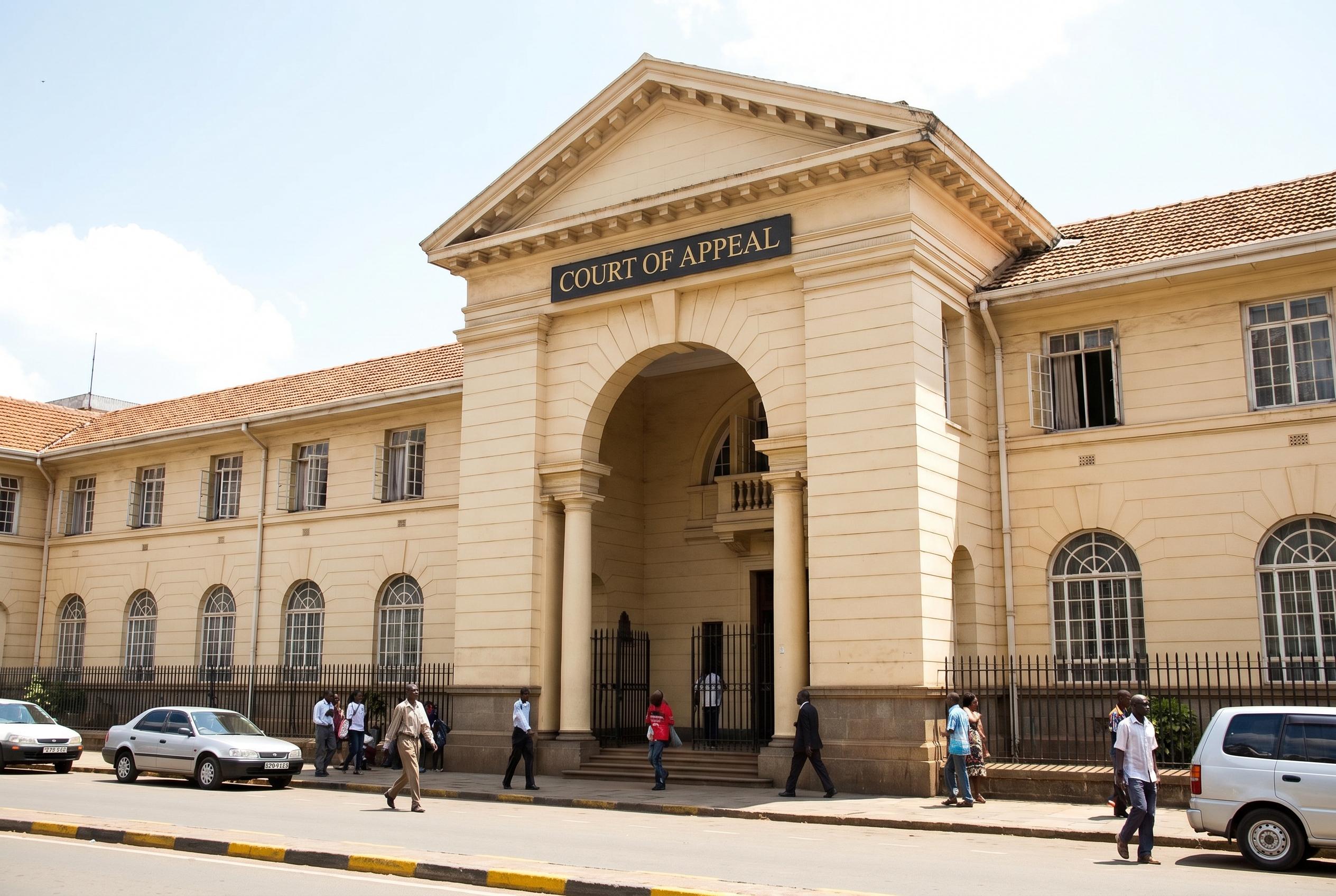
Observers are watching as Appeal Court Judge Katwa Kigen suggests the Constitution can be read to acknowledge same-sex family structures, a remark that rekindles debate about rights, equality and how Kenyan law might adapt to changing social realities. It matters to lawyers, campaigners and families across the country.
Essential takeaways
- Not a ruling: Judge Katwa Kigen’s comment was interpretative, not a court decision changing marriage law.
- Constitutional basis: He pointed to broad equality and non-discrimination protections as a framework for recognising diverse families.
- Fuel for debate: The remark is likely to prompt fresh discussion among legal scholars, policymakers and civil society.
- Current law unchanged: Statutory definitions of marriage in Kenya still reflect traditional, opposite-sex definitions.
- Practical impact: Any legal recognition of same-sex families would require formal judicial rulings or legislative change.
What Judge Katwa Kigen actually said , and why it matters
Judge Katwa Kigen told a public forum that, on a plain reading, the Constitution does not categorically bar the recognition of same-sex family arrangements. That’s a striking observation because it shifts the conversation from what the law expressly forbids to what the text might allow. Media outlets such as Capital FM reported his remarks, and they’ve been picked up across legal commentaries. For everyday people, the line between comment and change is important: this is a constitutional interpretation offered by a senior judge, not a new law.
How this fits into Kenya’s legal landscape
Kenya’s Constitution contains wide-ranging guarantees on equality and non-discrimination, which lawyers say can be fertile ground for arguments about family diversity. Historically, however, statutory and regulatory instruments have defined marriage in traditional terms, and courts have often been cautious on social issues. So while the constitutional text may be flexible, converting that flexibility into legal recognition would usually require a clear court decision or an act of Parliament.
What lawyers and campaigners are likely to do next
Expect legal teams and advocacy groups to watch closely and perhaps prepare strategic litigation or submissions that test the exact contours of those constitutional protections. According to local reporting and legal analysis, conversations are already beginning among civil society actors. Practically, anyone considering a legal challenge would need to marshal evidence, identify the right case, and be prepared for a lengthy process , and for public debate that can be as political as it is legal.
Why the judiciary’s tone matters for public debate
When a sitting Appeal Court judge publicly explores a constitutional reading that accommodates same-sex families, it changes the tenor of discussion. It signals to legislators, policy makers and activists that the question is live, not settled. Judges are mindful of public reaction too; earlier coverage shows Judge Kigen has emphasised fairness and the rule of law in other high-profile contexts. That cautious posture suggests any future rulings would be tightly reasoned and mindful of social sensitivities.
What this means for families and communities today
For same-sex couples and their supporters, the comment is encouraging but hardly transformational overnight. Existing legal protections and benefits tied to marriage and family life remain governed by current law. If you’re affected, practical steps include seeking advice from organisations working on human rights, keeping an eye on court dockets and policy proposals, and engaging in civic dialogue. Small shifts in judicial language can become big shifts in legal strategy, so change is possible , just not immediate.
It's a small judicial nudge that may widen the conversation about who counts as family in Kenya.
Source Reference Map
Story idea inspired by: [1]
Sources by paragraph: