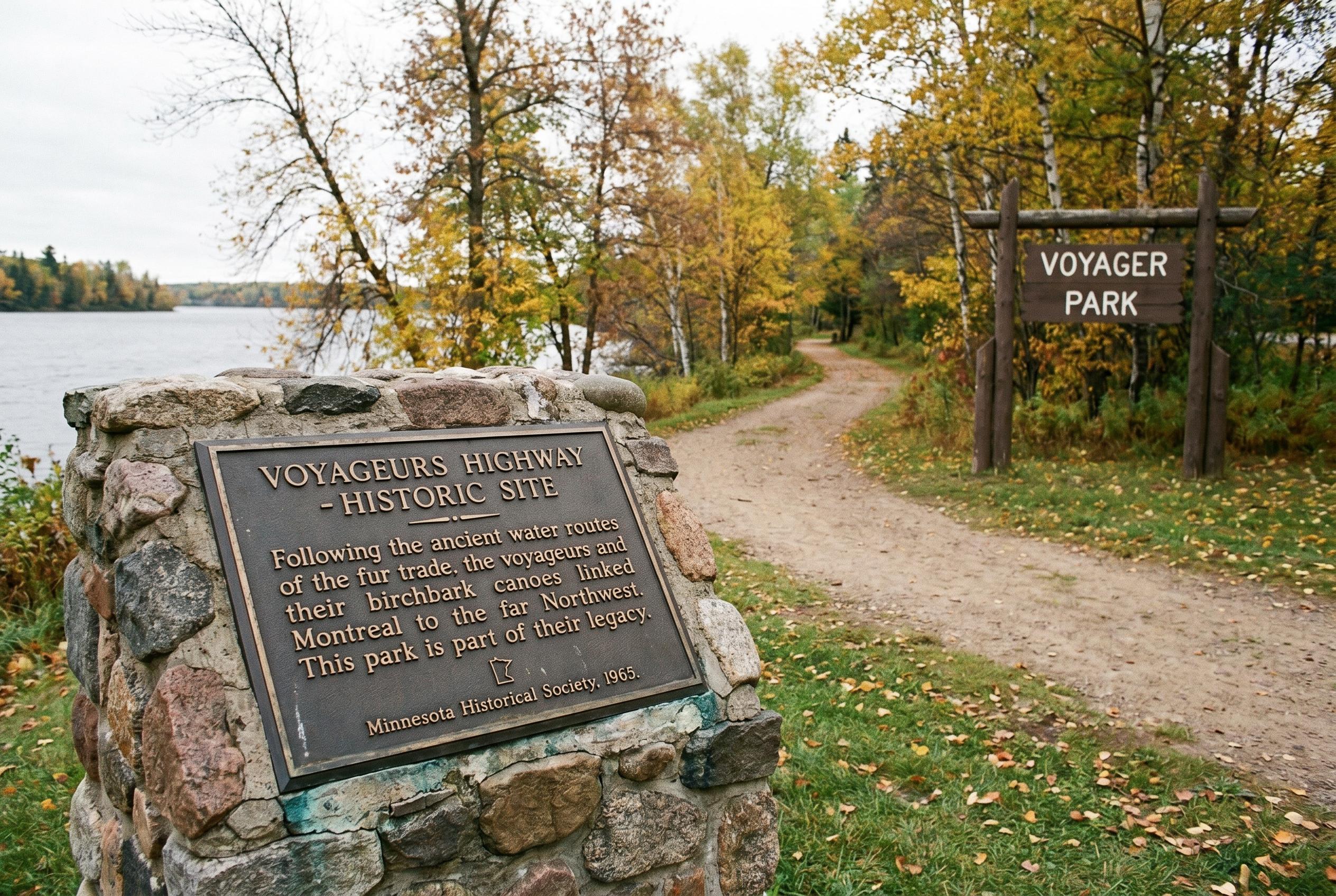
Shoppers are turning to small-town stories , and Pine City, Minnesota, is answering. A historic marker honouring the founders of East Central Minnesota Pride will stand in Voyager Park, celebrating rural LGBTQ+ visibility and reminding residents that you don't have to move to a city to belong.
Essential Takeaways
- Historic first: The marker recognises East Central Minnesota Pride, an organisation formed in 2005 and regarded locally as the first rural Pride group in the US.
- Meaningful location: It will be placed in Voyager Park, the site of the group’s first official celebration, with a public dedication planned for late May.
- Local effort: The Pine City Council approved the project by a narrow vote; the mayor cast the tiebreaker and the group’s president is connected to city leadership.
- Funded and supported: About $7,000 is the projected cost, backed by the Minnesota Historical Society and a state arts and culture preservation fund.
- Emotional impact: Organisers say the marker sends a clear message: rural life can include visible, sustained LGBTQ+ community and history.
Why a tiny plaque feels like a landmark for many
It’s often the quiet things that land hardest , a brass plaque, a park bench, a name on a stone. In Pine City, that quiet will soon become visible, and people say the feeling is warm and oddly defiant. The marker sits in Voyager Park where attendees remember singing, laughing and showing up together for the first official East Central Minnesota Pride celebration.
According to local accounts, the group began in 2005 as a support network for gay, bisexual and questioning men and grew into a fuller community presence. For residents who felt pressure to relocate to Minneapolis or St Paul to be safe, seeing that history recorded in their own town matters. It’s a small, public refusal to let rural LGBTQ+ stories evaporate.
How the monument came together , politics, passion and a tiebreaker
Bringing a marker to life required more than nostalgia. The Pine City Council’s approval was close; Mayor Kent Bombard cast the deciding vote, and his husband, Aaron Bombard, leads East Central Minnesota Pride. That personal overlap raised eyebrows for some, but supporters frame it as community leadership in action.
The project’s roughly $7,000 price tag didn’t come out of thin air. The Minnesota Historical Society and a state fund for local arts and culture provided help, showing how statewide institutions can chip in to preserve overlooked narratives. It’s a reminder that preservation isn’t only for grand civic archives , sometimes it’s for a small park plaque that changes how people see their town.
What this marker says about rural visibility and belonging
Rural LGBTQ+ histories are often narrated as stories of escape to the city, but organisers and locals push back on that frame. Nathan Johnson, the group’s secretary, put it plainly: markers like this declare you don’t have to flee to find safety or community. The emotional cue is simple , people who saw themselves as invisible now have a spot on the map.
Adding this story to the state’s registry also nudges wider historical practice. Historians and community archivists have long worried that marginalised lives go undocumented. A public marker signals that those lives are worth record and that Greater Minnesota’s queer past should be read alongside urban histories.
Practical notes if your town wants to do the same
If you’re part of a community group thinking about a marker, take a few practical cues from Pine City’s experience. Start by locating a site with clear local meaning; it deepens the story. Expect municipal procedures and votes, and prepare advocates to explain why recognition matters beyond symbolism. Look for regional historical societies or state arts funds that offer matching grants; even modest support can move a project across the line.
Also, be ready for mixed reactions. Small towns can be surprisingly supportive, but controversial moments are part of civic change. Keep planning public events and educational materials to help newcomers and longtime residents alike understand the marker’s context.
Looking ahead: a little monument with a big ripple
This marker will be modest in scale but ambitious in meaning. For locals, it’s a permanent welcome mat; for visitors, it’s a glimpse of a larger truth , queer life in America isn’t confined to skylines. As East Central Minnesota Pride’s leaders note, documenting these stories makes future generations feel less alone and more rooted.
It’s a small change that can make every visit to Voyager Park feel a little more like coming home.
Source Reference Map
Story idea inspired by: [1]
Sources by paragraph: