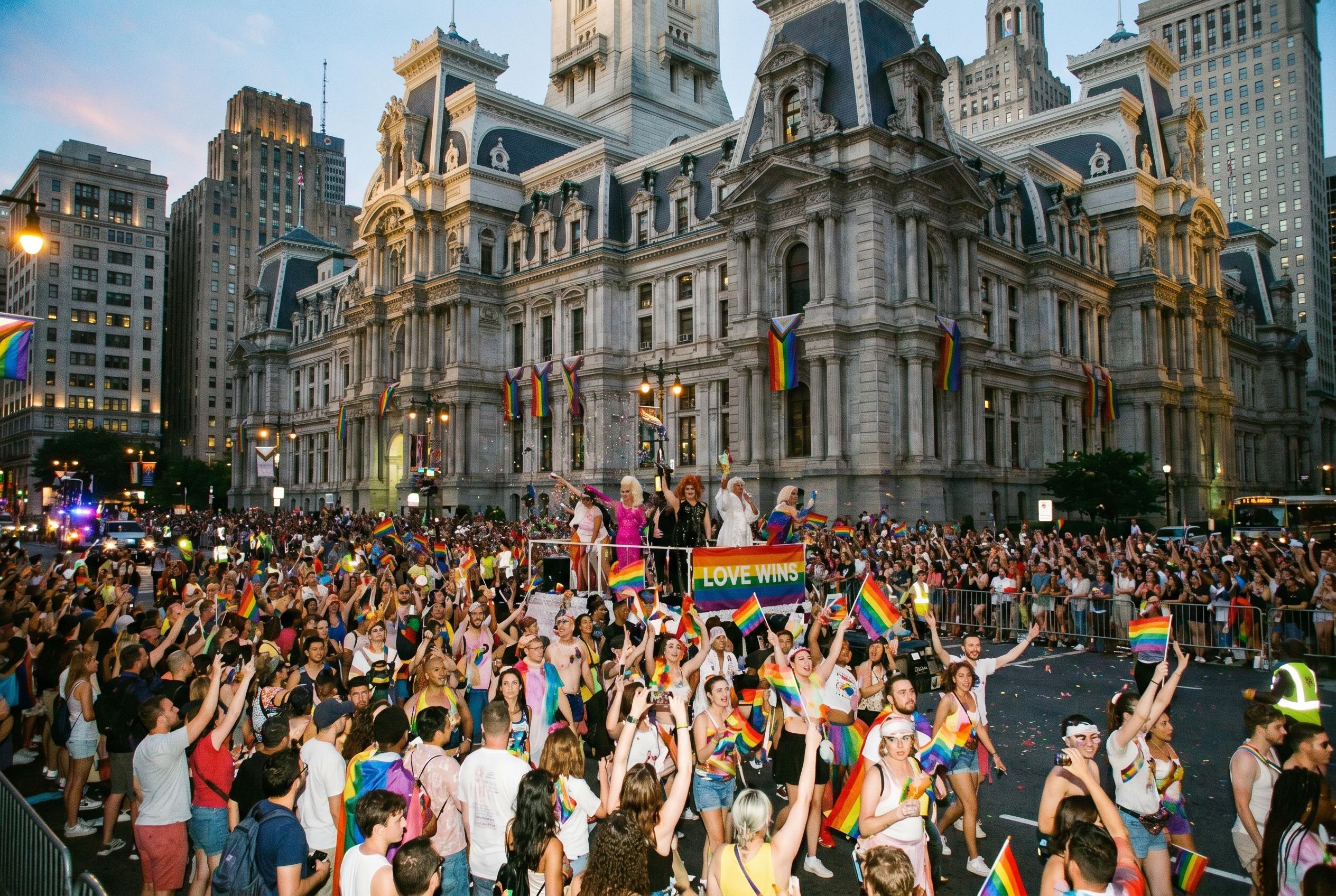
Celebrate this: communities are reclaiming joy, safety and visibility through Pride , a colourful mix of protest, healing and plain old human connection that matters to LGBTQ+ people and allies in towns, campuses and cities worldwide.
Essential Takeaways
- Visibility is resistance: Pride puts queer lives on the map, turning private pain into public presence and reminding people they’re not alone.
- Shame fades in the light: Public celebration helps replace secrecy and stigma with dignity and pride.
- Belonging without conditions: Pride events model acceptance without caveats , welcome as you are, not after you change.
- Community and safety: Parades, marches and festivals create spaces where people feel protected, supported and seen.
- Practical support: Events connect attendees to health, legal and social resources , useful, comforting and sometimes life-saving.
Pride is protest and party , why that mix matters
Pride’s glitz and gaiety aren’t just for show; they’re a living, loud rebuke to decades of enforced silence. According to reporting and community histories, parades grew from resistance movements into public celebrations precisely because being visible was an act of defiance. The colours, music and dancing make the message contagious , you see smiling faces and realise this isn’t abstract politics, it’s people’s lives. If you’re choosing which Pride to attend, expect equal parts celebration and assertion: bring water, a sunhat and your willingness to be part of that visible crowd.
Shame loses its grip when people come out together
One powerful thing Pride does is pull shame into daylight. Psychologists note that community rituals and collective recognition help rebuild self-worth after years of concealment. When thousands cheer in unison, the old messages that told people they were wrong lose their authority. For parents, partners and allies, witnessing that shift can be transformative; for queer people, it’s often the first time they feel dignified in public. Practical tip: if you or someone you love is nervous about the crowd, start with smaller events , rallies, film screenings or local meetups , and build up.
Pride creates belonging that’s not up for negotiation
Too many institutions have long offered conditional love: you’re welcome as long as you conform. Pride says no to that fine print. Community organisers and human-rights groups emphasise that these celebrations are models for unconditional belonging: places where names, pronouns and relationships are respected without footnotes. That matters in everyday life , workplaces, families, classrooms. If you want to support that idea, volunteer with local groups or sponsor a booth; small actions at Pride ripple into more inclusive spaces year-round.
Practical support and safety in one place
Beyond symbolism, Pride is a practical hub: health services, legal advice, mental‑health resources and social programmes often set up at festivals and marches. Universities, charities and clinics use Pride to reach people who might otherwise fall through the cracks. For instance, college communities report increased engagement when campus Pride events include resource fairs and counselling booths. If you’re attending, pick up local resource lists or programme guides , they can point you to clinics, support groups and advocacy contacts you didn’t know existed.
What Pride signals about progress , and what still needs fixing
Pride is both thermometer and megaphone: it shows how far acceptance has come and cranks up pressure where discrimination persists. Human-rights organisations highlight that Prides around the world vary , some are joyous and safe, others remain sites of political struggle. That dual role makes attending more than cheering; it’s also bearing witness and staying alert to ongoing needs. If you care about lasting change, use Pride as a moment to ask your representatives for policy shifts, sign petitions and donate to local advocacy work.
It's a small change that can make every celebration safer, kinder and more meaningful.
Source Reference Map
Story idea inspired by: [1]
Sources by paragraph: