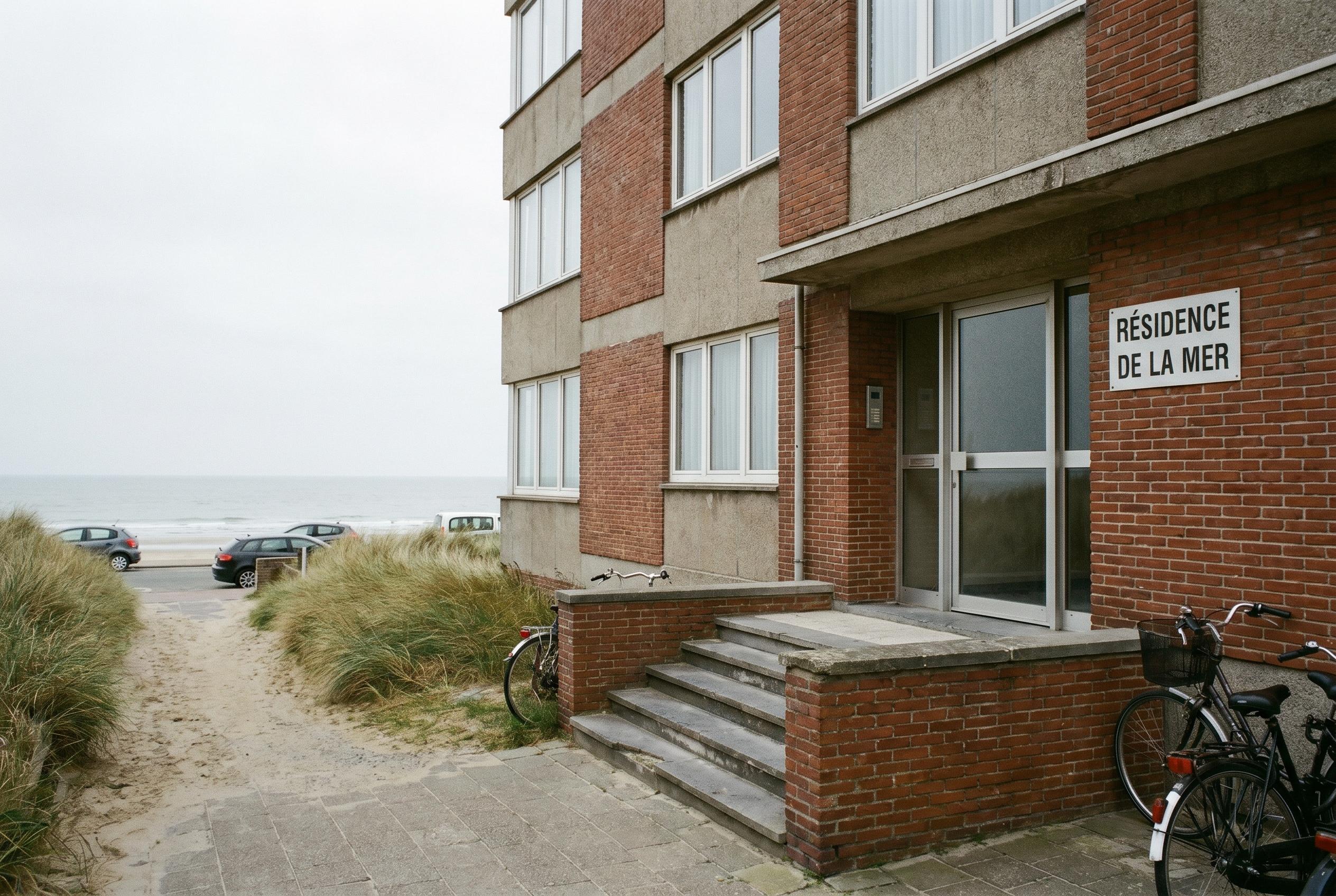
Shoppers and supporters are already donating: a Belgian non-profit is crowdfunding temporary homes for LGBTQ+ Muslims who face rejection or danger, aiming to create a quiet, respectful shelter with space for prayer, privacy and practical support near the coast. It matters because safety, faith and identity can collide , and this campaign offers a simple, humane answer.
Essential Takeaways
- Fundraiser launched: A Quiet Place for Dignity, Shelter and Prayer is crowdfunding to rent and set up a house near Belgium’s coast for LGBTQ+ Muslims.
- Initial target: The campaign aims for roughly €19,000 (£16,468) to cover rent, deposit and start-up costs; early donations are small but ongoing.
- Inclusive offering: The house would include an interfaith-friendly prayer space, privacy for residents and practical volunteer support.
- International reach: Support could extend to arrivals from countries where being LGBTQ+ is criminalised or life-threatening.
- Belgium context: Belgium ranks high on LGBTQI rights and legal protections, making it a comparatively safe location for temporary refuge.
Why this shelter matters now
There’s a quiet urgency to this appeal, and you can almost feel it in the practical wording of the GoFundMe page. Many LGBTQ+ Muslims face a daily squeeze between faith and identity, and that pressure can spill into homelessness, family rejection or urgent need to leave dangerous situations. According to campaign organisers, the proposed house would be a low-key sanctuary where people can sleep, pray and plan next steps without judgement.
Backstory: the idea came from Belgian non-profit Dar Al Rahma, and it’s being led locally by Bram Deryck and his mother, who plan to help run the property. The crowd-funded route reflects a desire for discreet, community-rooted support rather than a large institutional project.
Where people are fleeing from , and why Belgium is a practical choice
Some Muslim-majority countries still criminalise same-sex relationships, and activists cite places such as Saudi Arabia, Iran, Afghanistan and others as zones of extreme risk. That’s why an EU country with robust rights matters. Belgium offers same-sex marriage, adoption rights and a ban on conversion therapy, which makes it a safer temporary base for those seeking refuge.
Industry and advocacy data show Belgium ranks near the top in European LGBTI rights, so the project isn’t just symbolic , it’s a practical move to a jurisdiction that offers legal protections and social services absent in more hostile places.
What the house would offer , more than just a bed
The proposal is deliberately modest: rent, deposit and essential start-up costs to make a house livable and private. Crucially, the plan includes an inclusive prayer space where residents can observe faith rituals without fear of judgement, and volunteers would help with furniture and basic setup.
Practical tip: if you’re considering donating or volunteering, check the GoFundMe listing for updates on needs , cash for rent moves fast, while one-off furniture or time for installation can be organised locally and discreetly.
How supporters and communities are responding
So far the fundraising shows early, small contributions and a long way to go, which is common with grassroots projects that rely on community networks rather than big donors. The campaign emphasises discretion for safety, and that can limit widespread publicity but also keeps residents’ confidentiality front and centre.
Reaction from broader NGOs and advocacy bodies underlines the need: human-rights pages and European indices repeatedly highlight both the progress in countries like Belgium and the continuing danger many LGBTQ+ people face elsewhere. That contrast helps explain why a temporary shelter project feels urgent and achievable.
How you can help , practical steps
If you want to support this kind of initiative, small gestures add up. Donate via the official GoFundMe page, offer time for practical setup if you’re local, or spread the word within trusted networks. Organisations often need ongoing help , from legal referrals and counselling contacts to items like bedding , so ask organisers what’s most useful before sending goods.
And remember: confidentiality and safety are paramount. Respect the project’s discretion and follow guidance from organisers about what to share publicly.
It's a small, practical step that could make every day safer and kinder for people caught between faith and identity.
Source Reference Map
Story idea inspired by: [1]
Sources by paragraph: