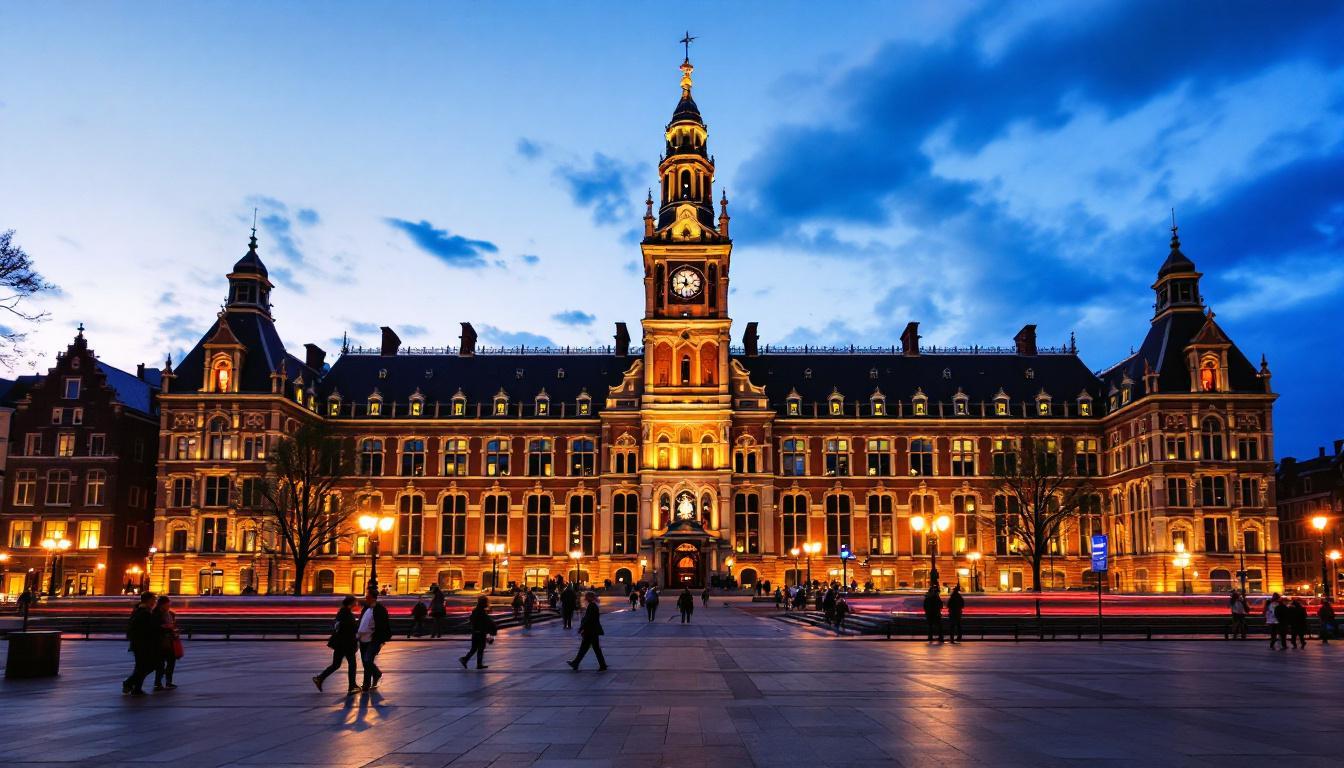
Shoppers and citizens alike are watching as the Dutch Council for Culture urges the government to nominate Pride Amsterdam for Unesco’s Representative List of the Intangible Cultural Heritage of Humanity, a move that spotlights LGBT+ rights, celebrates ritual and visibility, and could shape how the festival is run and funded.
Essential Takeaways
- Official recommendation: The Dutch Council for Culture has advised the minister to nominate Pride Amsterdam for Unesco recognition.
- Cultural weight: The nomination links Pride to global intangible heritage traditions, alongside crafts and carnivals already on the shortlist.
- Human rights angle: The Council frames the bid as urgent because LGBT+ rights remain under pressure worldwide.
- Inclusion risk: Organisers must guard against commercialisation and “pinkwashing”; high participation costs could exclude smaller groups.
- Room to grow: Other countries staging Pride events could join the nomination later, broadening the inscription’s impact.
Why the Council picked Pride , and why it feels urgent
The Council for Culture argues that Pride Amsterdam does more than throw a parade; it makes visible the diversity and rituals that form living cultural heritage, and it connects to something deep and human , the desire to be who you are and love who you love. That line of thinking gives the nomination an unusual moral urgency, because the Council explicitly links recognition to the precarious state of LGBT+ rights in many places. In other words, this is heritage with a human-rights purpose as well as a celebratory one.
What Unesco listing usually means , beyond a badge
Unesco’s Representative List tends to raise a tradition’s international profile, attract conservation support, and encourage respectful practice. Other Dutch elements, from miller craft to Rotterdam’s carnival traditions, have received similar backing in recent years. For Pride, a listing could mean more attention, funding streams and diplomatic leverage , but also more scrutiny about how the event operates and presents itself on the world stage.
The pinkwashing and commercialisation conundrum
The Council warns of two clear pitfalls: pinkwashing, where companies use Pride’s imagery for marketing without meaningful support for LGBT+ people; and rising costs that leave grassroots groups at the dock. Pride Amsterdam’s organisers will need to construct a nomination dossier that shows community ownership, accessibility, and safeguards against overt commercial dominance. Practically, that might mean tiered fees, subsidised boat places, clear sponsorship standards and transparency about who benefits.
How the nomination could change Pride’s shape , practical implications
If Unesco wants authentic, community-led intangible heritage, organisers will be asked to document rituals, stories and participants , not just logistics. That paperwork can be useful: it preserves oral histories, recognises volunteer labour and gives smaller groups a voice. But it also means harder choices. For instance, will the boats parade remain a free cultural act or tilt toward ticketed hospitality? Keep an eye on changes to programming and fee structures in the next year.
Why this matters beyond Amsterdam
A Unesco inscription would position the Netherlands as a visible advocate for queer emancipation, useful in international cultural diplomacy. It also sets a template other cities could follow: nominate a festival that combines celebration with community resilience, then defend it against commodification. And because Pride happens in many countries, the Council has said others can join the nomination later, which could turn a local ritual into a shared global heritage statement.
It's a small change that could make every march, boat and rainbow flag count for more.
Source Reference Map
Story idea inspired by: [1]
Sources by paragraph: