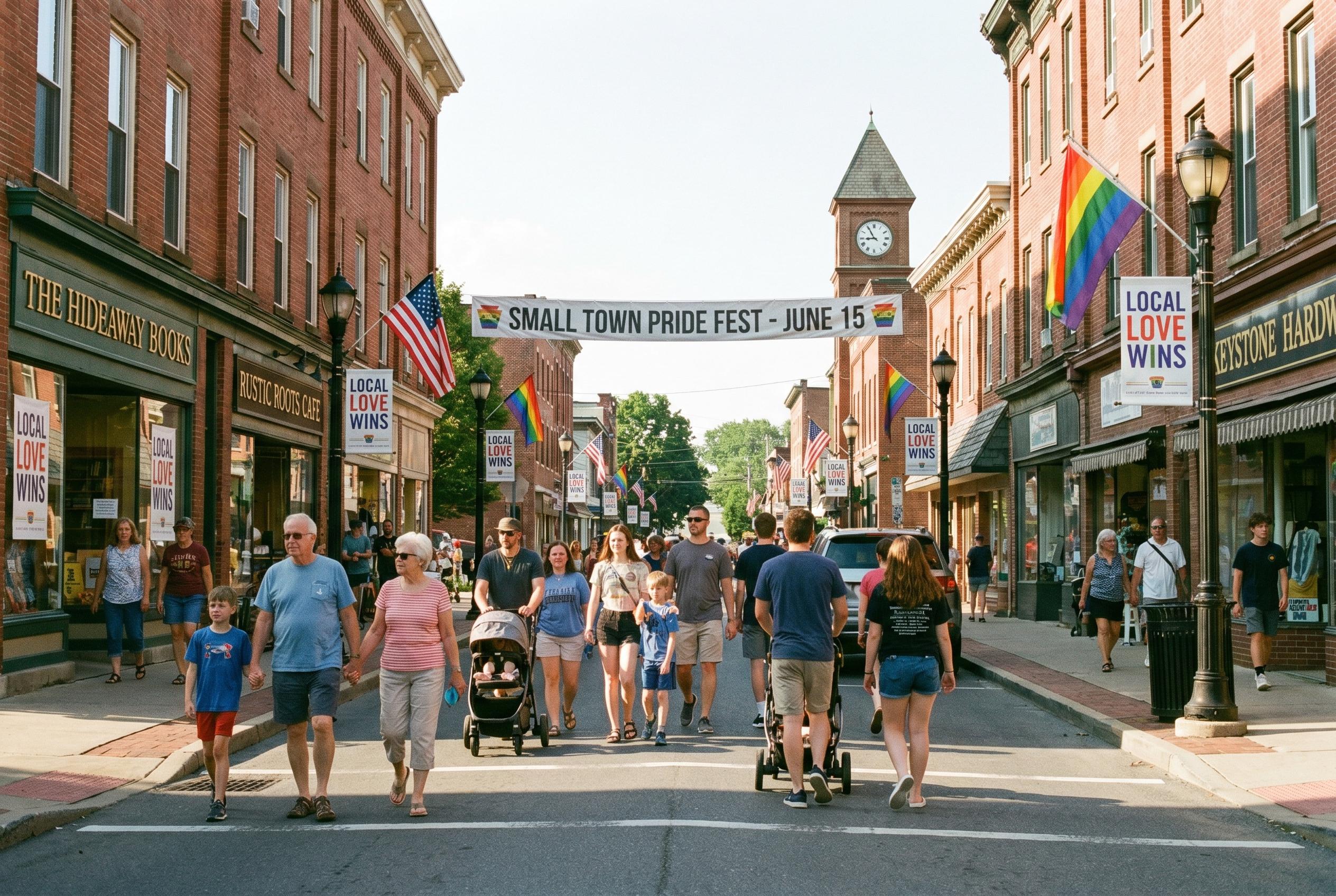
Shoppers are turning their calendars into rainbow maps as more than 70 Pride festivals pop up across Pennsylvania in 2026; from big-city parades to small-town park gatherings, organisers and attendees are choosing community, visibility, and joy, sometimes in places with few legal protections, so these local celebrations matter more than ever.
Essential Takeaways
- Over 70 festivals: The Commonwealth will host seventy-plus Pride events in 2026, from major city parades to tiny park fêtes.
- Hyperlocal trend: Small-town and suburban “Little Pridefests” are multiplying, offering a quieter, more conversational vibe.
- Geography matters: Roughly two thirds of counties lack discrimination protections, making attendance and organising an act of courage in some places.
- Legacy and guidance: Longstanding events like Pittsburgh Black Pride provide models for sustainability and community-building.
- Plan practically: Check parade routes, family-friendly programming, and whether events are indoors or outside, weather and accessibility vary.
Why 70-plus Prides shows a shift from huge city-only events
The striking number of Pride events this year points to a real change in how people want to celebrate, and it feels almost tactile, you can picture small stages in village greens, the smell of barbecue, the gentle thrum of a local DJ. The big metropolitan parades still matter, Pittsburgh’s main march and festival remain anchor events with large processions and civic visibility. But organisers and attendees are increasingly choosing smaller, local festivals where you can actually talk to performers and organisers without shouting over a sound system. That shift isn't just about comfort; it’s about accessibility and making space for people who can’t travel into the city.
Little Pridefests everywhere: what they are and why people love them
You’ll find these micro-Pride events in suburban parks, town squares, and community centres, and they tend to feel friendlier and more intimate. Many are run by volunteer committees or local LGBTQ+ groups and focus on music, stalls, and a handful of performances rather than full-day parades. For families or older attendees who prefer a gentler vibe, these festivals are a blessing. If you’re picking which to attend, look for details on shelter or indoor backup in case of rain, and check whether organisers list accessibility features and quiet spaces.
The bravery behind Pride in counties without legal protections
It’s worth saying plainly: showing up at Pride in much of the state can be risky. Two thirds of Pennsylvania’s counties lack discrimination protections, so attending or organising Pride in some towns can be an act of defiance as much as celebration. That reality changes how communities plan events, organisers often prioritise safety, choose public-safety liaisons, and work quietly with local leaders. If you’re going to a Pride in a smaller county, consider carpooling with friends, signposting your arrival time to organisers, and respecting guidance on photography or reporting any incidents.
Lessons from established events: Pittsburgh Black Pride and sustainability
Long-running festivals provide useful blueprints, and Pittsburgh Black Pride, dating back to 1995, stands out as a model of longevity. Established groups bring institutional knowledge about fundraising, volunteer retention, and partnering with local businesses, which is exactly what newer Prides need. If you’re starting a local festival, reach out to long-standing organisations for advice on permits, insurance, and inclusive programming. Industry hubs like Pittsburgh Pride also publish parade logistics that newer organisers can adapt.
Planning tips for attendees: pick the right Pride for you
Decide what you want from the day, march energy, family-friendly activities, queer art and performances, or quiet community connection, and choose accordingly. Check the event’s website or social feeds for practical info: schedule, accessibility, lost-and-found, and whether there’s a wet-weather plan. For suburban Prides, bring sunscreen and water; for urban parades, arrive early for good viewing spots and public-transport options. Finally, if safety’s a concern, ask organisers about first-aid stations and visible marshals.
What to watch next: coverage, updates, and a living list
Organisers are still confirming dates, and publications will refresh listings as the season approaches, so keep an eye on official Pride sites and tourism calendars. If you’re a local organiser, add your event to statewide directories to reach visitors and volunteers. And if you can, support smaller Prides with sponsorships, stalls, or by sharing information, those micro-events are where many people first feel welcomed into community life.
It's a small change that can make every Pride more welcoming, find the festival that fits your vibe and show up.
Source Reference Map
Story idea inspired by: [1]
Sources by paragraph: