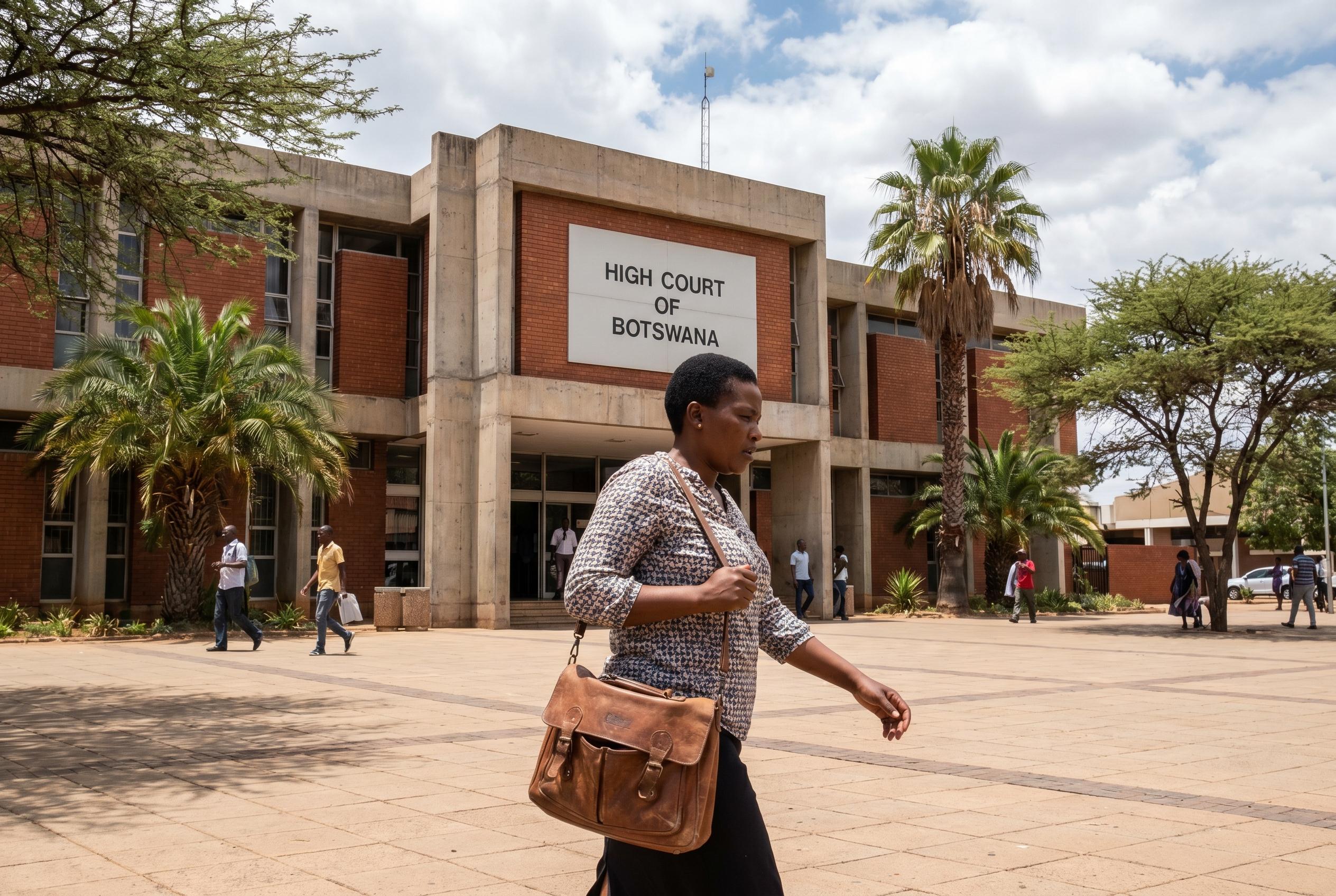
Shoppers for justice might smile today , Botswana has formally removed its colonial-era anti-sodomy law, a move that matters to queer people across the country and the region, signalling safety, dignity and new legal clarity. Advocacy groups hailed the change as a practical step toward equality and better access to services.
Essential Takeaways
- Law removed: Botswana's Penal Code provisions criminalising consensual same-sex intimacy have been formally repealed, leaving only bestiality provisions.
- Court history: The High Court ruled the law unconstitutional in 2019, and an appeal was dismissed in 2021, making enforcement unlawful long before formal repeal.
- Government action: Attorney General Dick Bayford carried out the statutory update that excised the offending sections.
- Community impact: Groups like LeGaBiBo welcomed the move, saying it reduces stigma and barriers to healthcare, employment and safety.
- Next steps: Challenges remain, including an ongoing case on marriage equality and continued work to ensure protections reach rural and marginalised communities.
Why this repeal matters now , the scene and the feeling
The formal repeal closes a bitterly symbolic chapter: a law born of colonial codes that many people in Botswana had lived under, and feared. For queer folks, the change is more than text on a statute book , it removes a legal threat that coloured everyday life, from hospital visits to job prospects, and eases the constant, low‑grade anxiety of possible arrest.
Human Rights Watch and other organisations flagged the High Court victory back in 2019, and advocates have been pushing for full statutory housekeeping ever since. The update is practical as well as political; it makes the legal landscape clearer for police, employers and service providers.
The legal backstory in plain terms
According to court records and reporting, the High Court declared the anti‑sodomy provisions unconstitutional in 2019 because they violated dignity and equal protection, and an appeal was later dismissed in 2021. That judicial outcome effectively prevented enforcement, but the language stayed in the Penal Code until this recent action by the Attorney General.
So this isn’t a sudden about‑face , it’s the legislative tidy‑up that finally matches the law on the books to the law in practice. Legal clarity matters: it removes loopholes that can be used to harass people and gives rights groups clearer ground for further litigation, for instance on marriage equality.
What advocates say , voices and practical effects
LGBTQ+ advocacy group LeGaBiBo described the repeal as an unmistakable signal that queer people “are not criminals” and deserve protection. Campaigners point out that criminalisation didn’t only carry the threat of prosecution; it worsened stigma and made it harder to access HIV care, mental health services and stable work.
International organisations such as Amnesty and Human Rights Watch have long warned that criminal laws drive people away from health services and increase vulnerability. For many NGOs and community groups, the repeal opens opportunities to focus on service delivery, public education and legal protections rather than defensive campaigning.
What still needs fixing , gaps and the path ahead
Legal repeal is a milestone, but it isn’t the finish line. Marriage equality remains unresolved, with cases still before the courts. And campaigners warn that rural communities and those hit by cuts to local services can still face enormous barriers: stigma, limited health provision, and economic marginalisation don’t vanish overnight.
Practically, civil society will need to keep pushing for anti‑discrimination protections, training for police and health workers, and outreach in towns and villages so that the law change translates into safer, easier lives for ordinary people.
How this fits the regional trend , ripple effects and hope
Across southern Africa there’s been cautious momentum toward rolling back colonial‑era criminal laws, and Botswana’s formal repeal adds weight to that trend. Governments watching this shift might see both the political appetite for reform and the international goodwill that comes with upholding rights.
For ordinary people, the most hopeful sign is that the conversation now shifts from criminalisation to inclusion , jobs, families, healthcare and representation. That’s the kind of change people actually feel in daily life.
It's a small legal change that opens the door to bigger cultural shifts , and it's worth watching how quickly that door gets used.
Source Reference Map
Story idea inspired by: [1]
Sources by paragraph: