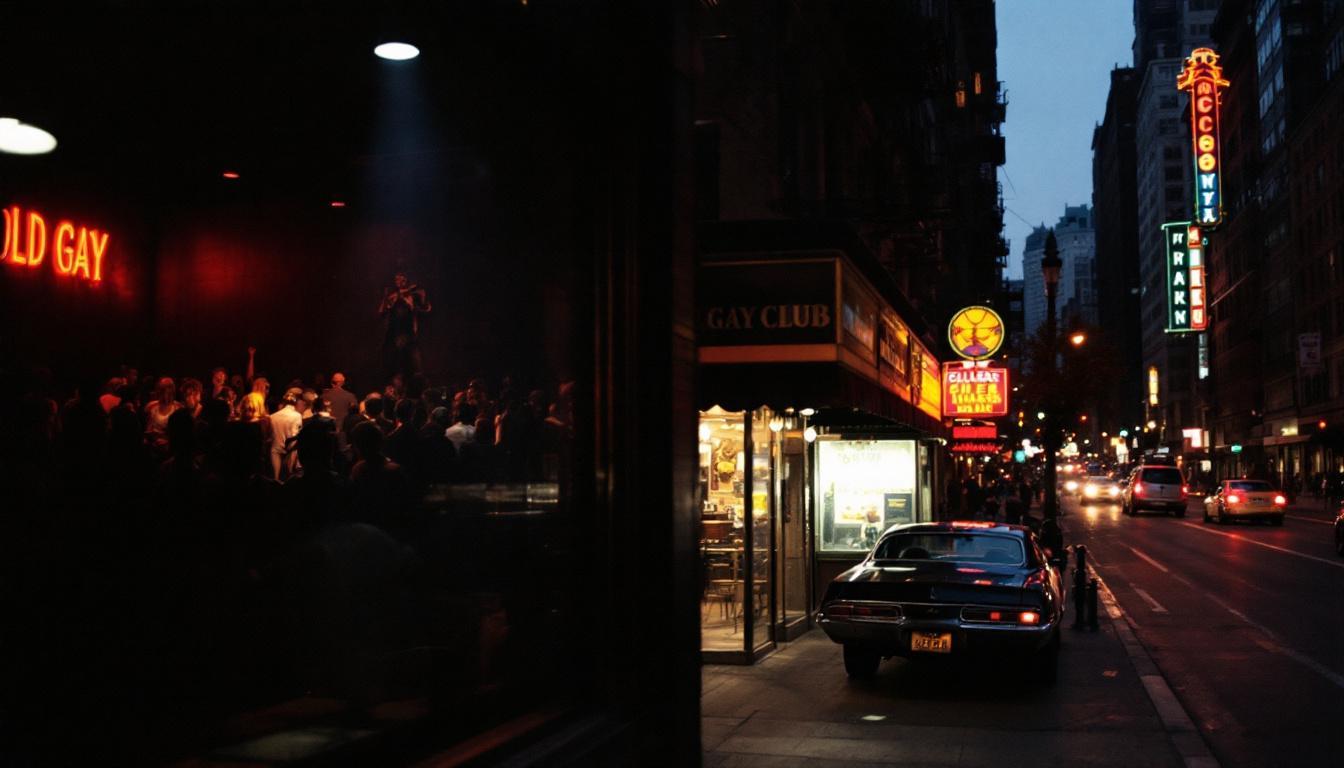
Shoppers and fans keep circling back to Madonna’s 2019 Today interview, where she revisited the queer community that lifted her in New York , and why that bond still matters. The conversation explains who shaped her, how she repaid that kindness, and why her advocacy remains a touchstone for Pride and pop culture.
Essential Takeaways
- Origin story: Madonna credits a teenage ballet teacher and early nights in gay clubs for shaping her sense of belonging.
- Lifelong debt: She describes feeling “indebted” to LGBTQIA+ fans who welcomed her when she arrived in New York.
- Public advocacy: Her activism includes outspoken support during the AIDS crisis and speeches at high-profile events.
- Recognition: Organisations such as GLAAD have honoured her for campaigning for equality.
- Emotional tone: Interviews and speeches often mix gratitude with a fierce promise to keep fighting for rights.
Why that 2019 Today interview keeps resurfacing
The clip resurfaced on social feeds because it captures something plain and powerful: gratitude. Madonna’s voice is warm, her memory tactile , she talks about being awkward in New York and then finding a refuge in queer spaces. That sensory detail , the sense of being taken in , is what makes the interview land emotionally, and why both longtime fans and newer listeners keep sharing it.
Context helps explain the clip’s longevity. Social platforms love origin stories, and this one ties celebrity to community in a way that’s still resonant during Pride seasons and political flashpoints. If you haven’t seen it, the interview frames Madonna’s career as much more than hits; it’s a public repayment of a private debt.
The teacher, the club scene and a worldview formed
Madonna traces those first lessons to a ballet teacher in Detroit who made her feel special and introduced her to local gay clubs. Those early experiences weren’t just social outings; they were education in acceptance. The details matter , the mentor who notices you, the nightclub lights where difference is normal , and they’re the kind of small, vivid memories that shape an artist’s priorities.
Those formative moments help explain why Madonna’s shows and persona often lean into queer aesthetics and narratives. It’s not brand strategy, it’s lived history. For anyone thinking about allyship, her story is a reminder that empathy can start with one person who sees you.
From nightclub refuge to public advocacy
Madonna’s support didn’t stop at friendship. During the AIDS crisis, when many big-name artists stayed silent, she used her platform to speak out. She’s been visible at awards and events, delivering emotional speeches and accepting accolades that recognised her campaigning.
Coverage at the time noted how rare it was to see such a high-profile pop star take a stand so publicly. That willingness to risk controversy for principle is a pattern: Madonna’s public moments often carry the weight of private gratitude. For fans wondering how to turn support into action, her trajectory shows one route , visibility, fundraising, and speech.
Awards, speeches and the optics of allyship
Organisations like GLAAD have recognised Madonna with honours that aren’t given lightly. Those awards are both symbolic and practical: they acknowledge influence and push the celebrity to keep advocating. News reports and event write-ups from the period document impassioned addresses and tearful acceptance speeches that fused pop performance with political message.
Still, celebrity allyship gets scrutinised, and that’s healthy. The useful takeaway is to judge actions over time. Madonna’s decades-long pattern of advocacy, rather than a single viral moment, is what cements her reputation for many in the community.
What Madonna’s story means for allies today
There’s a simple, human lesson in all this: gratitude can be the engine of activism. Madonna’s debt to LGBTQIA+ fans turned into a public promise to fight for equal rights. That arc , from personal rescue to public advocacy , is a model for anyone who wants to be an ally.
If you’re looking to follow that example, think small and steady: listen, amplify, show up for difficult moments, and use whatever platform you have. The gestures that matter most are those that last.
It's a small change that can make every fan feel seen.
Source Reference Map
Story idea inspired by: [1]
Sources by paragraph: