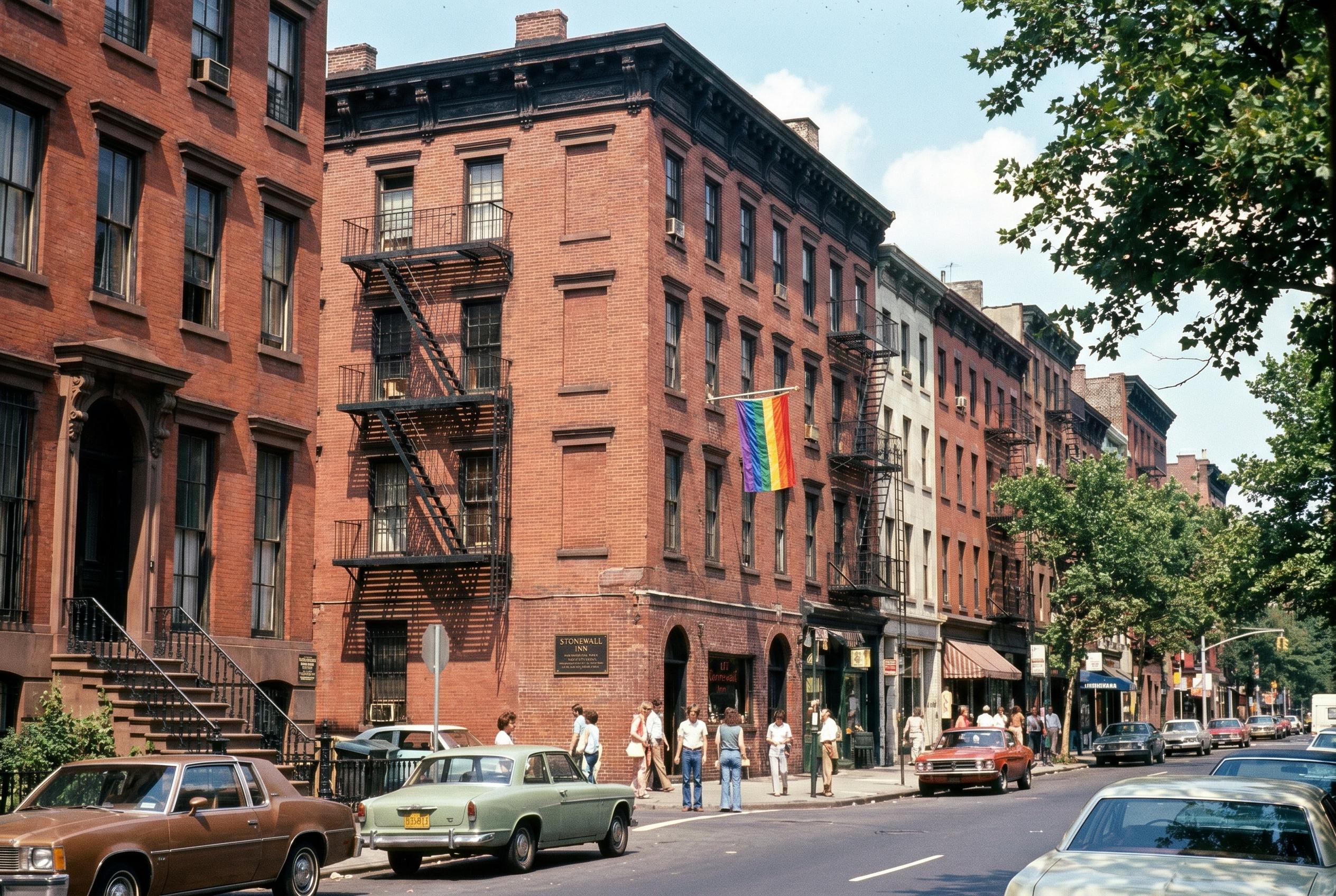
Shoppers, residents and activists turned out in Manhattan’s historic Stonewall district for a special city council election, and they made one thing clear: identity matters, but local problems matter more. Here’s what voters told reporters, who’s running, and why housing, affordability and public safety are dominating the conversation.
Essential Takeaways
- Historic district mood: Voters in Manhattan’s 3rd District say the area’s LGBTQ+ legacy still matters, but everyday concerns steer their choices.
- Top priorities: Affordability, housing stability and homelessness relief are the decisive issues for many residents.
- Candidates to know: Carl Wilson, Lindsey Boylan, Layla Law-Gisiko and Leslie Boghosian Murphy each bring different endorsements and local priorities.
- Endorsements matter: High-profile backers, including Mayor Zohran Mamdani for Boylan and Council leadership for Wilson, influenced turnout and debate.
- Practical impact: The special winner serves until December and must still win the June primary and November general to secure a full four-year term.
Why this special election feels different , and why people notice the history
The 3rd District includes the Stonewall Inn and long-standing LGBTQ+ neighbourhoods like Chelsea and the West Village, so voters arrive with a sense of history and expectation. Many people said they want someone who honours that legacy but also delivers on noisy, daily problems , you can feel it in the way neighbours talk about rent over rallying chants. According to local reporting, representation has been continuous here since 1992, which raises the bar for anyone running and keeps the conversation grounded in both symbolism and service.
This special contest was triggered when the district’s previous representative, Erik Bottcher, left for state office, so the seat needed filling fast. That timing puts extra pressure on candidates to prove they can hit the ground running on constituent services as well as policy.
Who’s running and what they’re promising
Four candidates stood in the race: Carl Wilson, Lindsey Boylan, Layla Law-Gisiko and Leslie Boghosian Murphy. Wilson is an out gay man who served as Bottcher’s chief of staff and attracted the backing of Council Speaker Julie Menin, a signal of establishment support. Boylan, backed by Mayor Zohran Mamdani, ran as an activist-focused democratic socialist promising to fight on quality-of-life issues. Law-Gisiko made a clear stand against demolition plans for nearby public housing projects, and Murphy campaigned with local concerns though fewer headline endorsements.
Voters told reporters they weighed endorsements but also looked for practical policies , who will tackle the Fulton and Elliott-Chelsea Houses plan, who will prioritise tenant stability, and who has the chops to navigate City Hall.
How identity and representation factored into voters’ choices
People interviewed at polling places said representation still matters, but not as a lone deciding factor. Some supporters of Boylan praised her visible activism at LGBTQ+ events and her stance on trans health care as a right, while Wilson backers emphasised experience and local organising tied to the community’s political history. In short, voters balanced identity with competence , they wanted someone who understands the district’s culture and can also deliver on housing and safety.
That balancing act reflects a broader trend: in neighbourhoods with strong identity-based histories, residents often expect both symbolic representation and practical results, and endorsements from prominent figures can tip undecided voters.
The housing fight that shaped many votes
One flashpoint was the city’s proposed demolition and replacement of the Fulton and Elliott-Chelsea Houses, ageing public apartments that have faced infrastructure problems. Law-Gisiko stood out as the candidate opposing demolition, a position that resonated with tenants fearful of displacement. Voters who live in or near these buildings voiced plain, urgent fears , they don’t want to scramble for a new home if their complex is condemned.
If you’re choosing a candidate in a local race, look beyond slogans: check their record on public housing, whether they support tenant protections, and how they propose to fund repairs versus demolition. For tenants, that difference can decide whether you stay or scramble.
Endorsements, turnout and what happens next
High-turnout mayoral races have nudged local voters to pay closer attention to City Council contests, and endorsements , from the mayor on one side to council leadership and local clubs on the other , gave campaigns momentum. Early voting ran in late April, with in-person polling on the Tuesday of the special; the winner will serve through December but must still win upcoming primary and general elections to claim a full term.
For residents, this means the special election is both immediate relief and a preview of a longer fight: the victor needs to keep winning support through June and November. Volunteers and canvassers told reporters they were motivated by larger citywide alliances as much as neighbourhood priorities.
It's a small change that can make every neighbourhood voice count.
Source Reference Map
Story idea inspired by: [1]
Sources by paragraph: