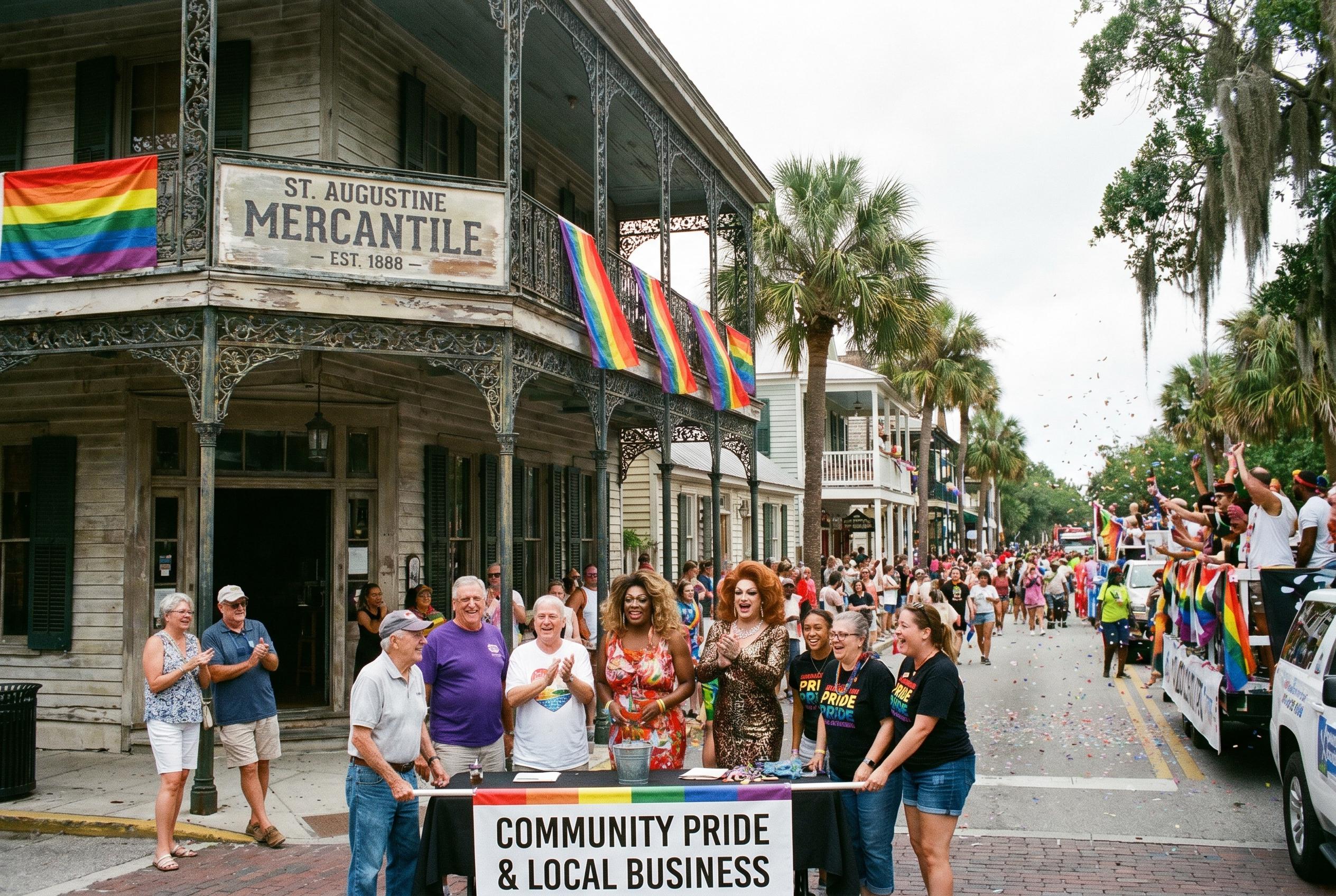
Shoppers are turning to questions about community support as Florida’s new anti-DEI law rolls out; residents, organisers and city halls across the state are weighing what it means for Pride parades, health outreach and local sponsorships. This matters because Pride in Florida has long been as much infrastructure as celebration.
Essential Takeaways
- Law change: Florida’s governor signed a bill restricting local government creation or funding of diversity, equity and inclusion programmes, with carve-outs for certain memorials and permits.
- Practical impact: The rule targets public programmes and promotions, but may affect permits, street closures, sponsorships and city logistics that Pride events rely on.
- Official rationale: Supporters say it prevents taxpayer money from promoting ideological agendas; critics warn it could chill municipal outreach and nondiscrimination efforts.
- On the ground: Organisers expect Pride to continue but predict more grassroots work, scrappier logistics and possible legal fights as cities interpret the law.
What the law actually does and why organisers are worried
The clearest fact is simple: local governments in Florida are now barred from creating or funding most DEI programmes, which reaches beyond training sessions into public-facing initiatives. According to national and regional reporting, the governor framed the change as stopping taxpayer-funded ideological content while supporters emphasise it doesn’t outlaw cultural events themselves. But Pride organisers point out that festivals rarely rely on direct cheque-writing alone; they count on city permits, traffic control, public messaging and sponsorship sign‑offs. Take away the back-office goodwill and you change the feel and safety of an event, even if the parade still goes ahead. Practical tip: organisers should document any municipal denials and seek legal advice early.
How the law could nibble away support, not slam the door
This isn’t a binary “Pride banned” scenario. Instead, many fear a slow erosion: fewer city sponsorships, more red tape for permits, and reduced promotion from mayoral offices. The law’s text and officials’ statements leave room for interpretation, so local bureaucrats may opt for caution rather than risk. That’s meaningful because visible municipal support signals welcome and helps with logistics like street closures and public safety. If you’re planning to attend or volunteer, expect more community-driven fundraising and backups for city services such as portable toilets, security and medical outreach.
Which municipal actions are most at risk , and what to watch for
City partnerships that involve funding, staff time or official promotion are the most vulnerable. Reports from across Florida show debates already under way about whether nondiscrimination ordinances and specialised health programmes could be affected. Watch for changes in permit processing times, the disappearance of official Pride proclamations, or limits on using public venues. Community groups should prioritise contingency plans: cultivate private sponsors, secure alternative venues early and line up volunteer marshals and first-aid teams to cover potential shortfalls.
Legal and political context , what supporters and critics say
Supporters, including the governor, argue the law restores neutrality and prevents ideological spending, claiming it protects groups they say have been advantaged by DEI efforts. Critics counter that the ban will have ripple effects on outreach, public health initiatives and recognition of events that matter to residents. Media outlets reporting on the signing emphasise both the political messaging and the practical uncertainties local governments now face. Expect court challenges and local ordinances to become battlegrounds as cities test where the line between neutral governance and prohibited programming lies.
How communities are likely to adapt , resilience and reinvention
Florida’s LGBTQ communities have long done heavy lifting themselves; Pride in the state grew from grassroots organisers, small businesses, volunteers and mutual aid networks. Many groups are already pivoting toward community-led models: private fundraising drives, collaborations with sympathetic businesses, and decentralised pop-up events that need less municipal coordination. That scrappy approach isn’t new, but it may accelerate. If you support local Pride, consider donating, volunteering to help with logistics, or offering in-kind services to reduce dependence on municipal resources.
It's a small change that could make every parade a more intentional, community-built moment.
Source Reference Map
Story idea inspired by: [1]
Sources by paragraph: