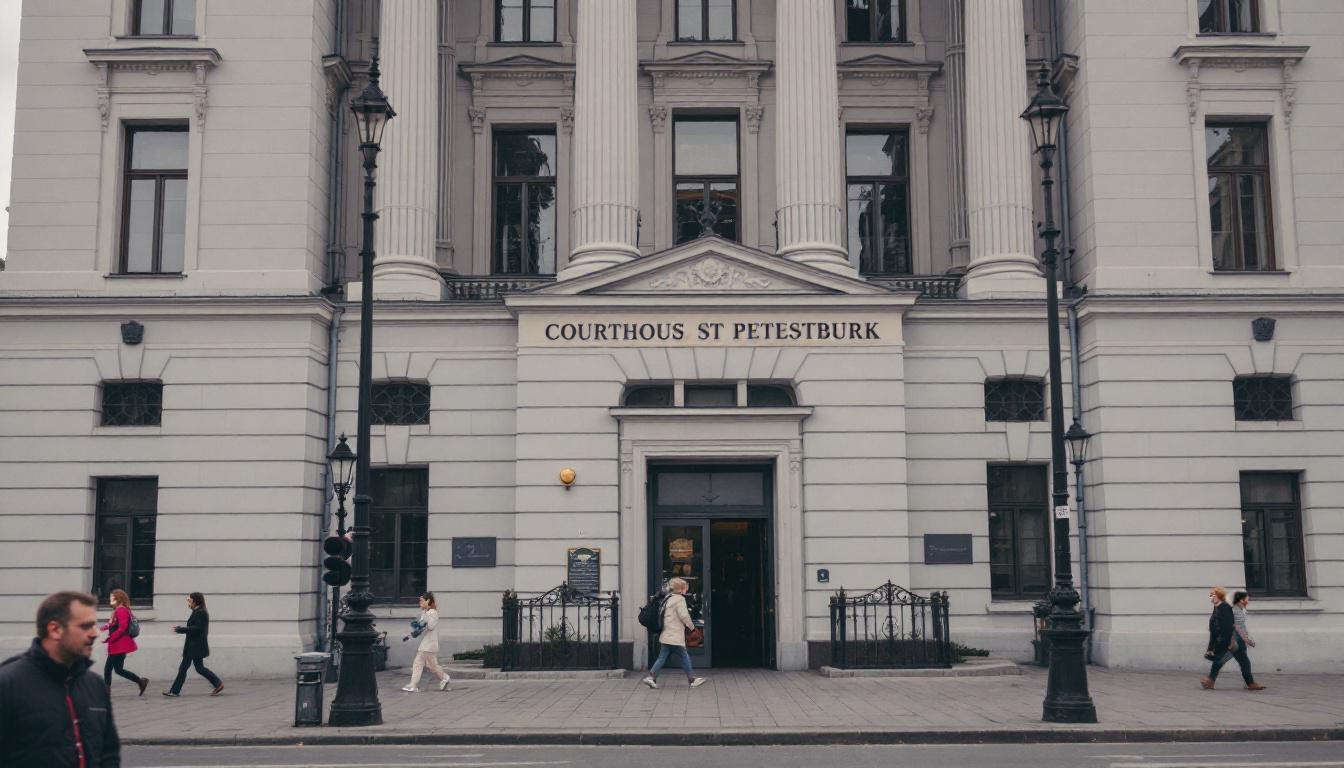
Shocking courts and closed hearings have made another swift move against LGBTQ+ rights in Russia, as a St. Petersburg court has formally declared the Russian LGBT Network an “extremist” organisation , a decision that escalates legal risk for activists, silences services and matters to anyone following rights under growing repression.
Essential Takeaways
- Legal reclassification: A St. Petersburg court ruled the Russian LGBT Network “extremist,” clearing the way for criminal charges under Russia’s broad extremism laws.
- Criminal risk: Members and staff now face possible prosecution and severe penalties, since extremism charges carry prison terms equivalent to terrorism-related offences.
- Service shutdowns: The ruling effectively bans the group’s work across the country, threatening legal, psychological and rescue support that felt tangible and urgent to many.
- Pattern of escalation: This is the latest in a series of rulings, following bans on “international LGBT movement” and other regional decisions that have already curbed activism.
- International concern: Human rights groups have warned this is a deliberate use of extremism laws to erase civil society space for LGBTI communities.
What happened in St. Petersburg and why it feels chilling
The court hearing was held behind closed doors, and the judgment follows the Justice Ministry’s push to brand the Russian LGBT Network extremist. Reuters, AP and Meduza reported the decision and noted the hearing’s secrecy, which only deepens unease. The label isn’t symbolic: under Russia’s criminal code, “extremism” is equated with terrorism, so this isn’t merely a reputational blow , it’s a legal weapon.
This matters because the Network has been one of the few organisations offering rescue, legal aid and psychological support across regions where queer people face arrest, torture and worse. Observers say the move signals that those humanitarian functions are being criminalised, and that activists could face long jail terms for continuing any form of outreach.
How this fits a wider pattern of repression
Human rights organisations have documented a string of cases that look less like isolated rulings and more like a coordinated squeeze. In recent months courts have barred other advocacy groups and declared the wider “international LGBT movement” extremist , a 2023 Supreme Court decision that paved the way for further bans. Amnesty International and other groups described the latest steps as an escalation that uses extremism laws as a pretext to silence leading LGBTI organisations.
It’s worth noting the timeline: since Putin’s “propaganda” law in 2013 and its broadened scope in 2022, authorities have steadily widened what counts as unacceptable public speech or organising. Legal experts and activists worry this is now a strategy to both criminalise dissent and distract from political problems by inventing internal enemies.
What this means for activists and ordinary people on the ground
Practically, the ruling forces groups either underground or into exile. The Russian LGBT Network had at least 17 regional chapters and was known for helping people flee life-threatening situations in places like Chechnya. With the extremist tag, even offering legal advice or psychological support can be framed as organising an illegal group.
For individuals seeking help, the immediate impact is loss of visible, trusted support; for activists it’s the constant risk of raids, fines or imprisonment. Legal experts quoted by international media say the decision gives authorities a legal basis to pursue, fine and imprison people involved with these organisations , and to intimidate anyone who might assist them.
International reaction and what observers expect next
Rights groups, foreign governments and international media have condemned the move as part of a broader rollback of freedoms. Amnesty and others have tracked earlier lawsuits and warned this was likely to happen, calling the use of extremism laws a deliberate tactic to remove civic space.
Looking ahead, expect increased harassment of lawyers, volunteers and donors associated with LGBTI causes in Russia, and more closed-door rulings. Some organisations will try to operate remotely from abroad, while others may shift to discreet networks to maintain aid. But the legal pressure makes even basic fundraising or publishing risky.
How people and organisations outside Russia can respond practically
If you want to help, support reputable international groups that provide legal aid and evacuations, and follow verified briefings rather than social posts. Donors should check for transparent reporting, emergency relocation capacity and secure communications. Journalists and policymakers can keep pressure on by documenting cases and naming individuals targeted, which makes repression harder to hide.
For Russians seeking safety, the options are grim but include confidential legal support, enabling safe relocation routes and discreet community networks. Anyone assisting must be mindful of the legal danger and take security precautions.
It's a small change on paper that has enormous consequences in practice , and a reminder that laws can be used to erase rights overnight.
Source Reference Map
Story idea inspired by: [1]
Sources by paragraph: