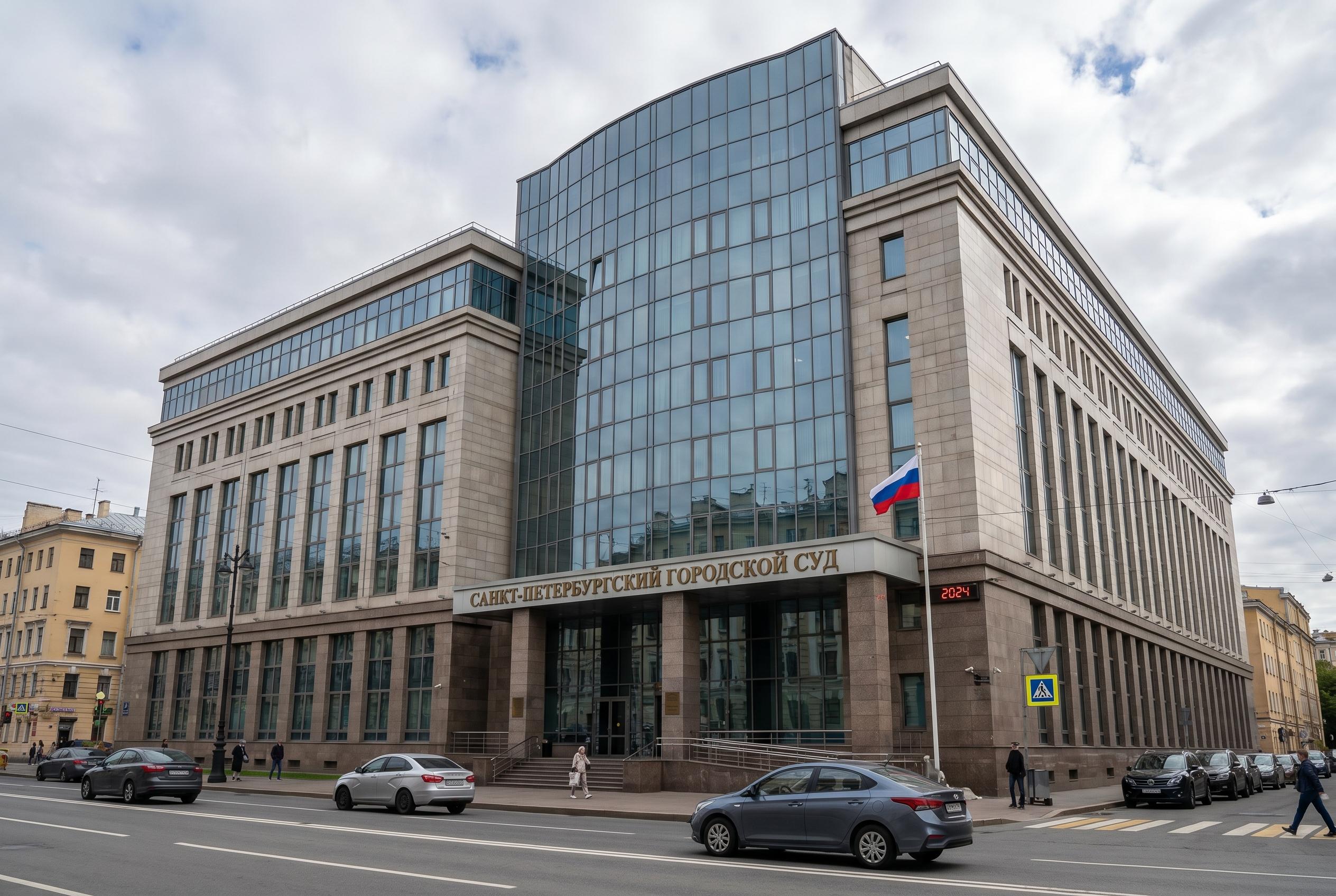
Watch this space: a St. Petersburg court has outlawed Russia’s leading LGBTQ rights group, a move that criminalises association and deepens a chilling, state-led campaign that matters for activists, families and anyone following human rights in Europe.
Essential Takeaways
- Court decision: A St. Petersburg court has declared the Russian LGBT Network “extremist,” effectively banning the organisation and its activities.
- Legal consequences: The label allows prosecutors to pursue criminal charges against members, volunteers and supporters, with penalties akin to those for terrorism.
- Rights groups react: Amnesty International and other NGOs warn the move is part of a broader policy to weaponise homophobia and silence dissent.
- On-the-ground impact: Clubs, bars and public displays of LGBTQ symbols have already been targeted with raids, fines and short jail terms; this ruling escalates that trend.
- Privacy fears: Independent reporting suggests the state has compiled electronic databases of LGBTQ people, increasing the risk of surveillance and reprisals.
What the ruling actually changes , and how quickly it bites
The strongest fact is simple: once an organisation is legally branded “extremist” in Russia, almost any contact with it becomes dangerous. According to reporting, the St. Petersburg court’s decision means membership, support or promotion can be prosecuted under laws normally used against violent or terrorist groups. That creates a chilling legal space where organising, fundraising or even speaking in favour of LGBTQ rights can put people behind bars. For families and activists, the atmosphere shifts from intimidation to legal peril overnight.
Backstory matters. The Russian justice ministry pushed the case, and rights groups like Amnesty International called the move a deliberate strategy to legitimise homophobia and crush dissent. Observers note this isn’t a one-off , it follows a trend of tighter restrictions that began years ago and accelerated after the invasion of Ukraine. If you’re trying to understand the pace of change, look at the steady expansion of laws and administrative measures aimed at anything seen as “un-Russian.”
How rights groups and the international community are reacting
Human-rights organisations were quick to condemn the ruling. Amnesty International described the action as part of an assault on equality, and other NGOs have warned of more prosecutions and closures ahead. International outlets and diplomats have signalled concern, but practical remedies are limited; the Russian legal system and political environment make domestic reversal unlikely. For campaigners outside Russia, the focus is now on protecting networks, supporting refugees and keeping attention on individual prosecutions.
There’s a human angle here too. Activists tell journalists that criminalising their work forces them underground, makes basic outreach impossible, and heightens fear for loved ones. That’s a blunt reminder that laws don’t just restrict organisations , they reshape lives.
What this means for everyday LGBTQ people in Russia
The decision amplifies existing risks. People displaying rainbow symbols, attending queer events or running community spaces have already faced raids, fines and short jail terms. With the network outlawed, those risks widen: even casual or historical connections to the group could be used in court. Independent reporting suggests state efforts to compile electronic databases of LGBTQ citizens, a dynamic that would make surveillance and targeted enforcement easier.
Practical advice: anyone still inside Russia should be cautious about digital footprints, consider secure communications, and seek legal counsel when possible. For loved ones abroad, staying in touch and documenting any harassment can be vital if asylum claims are later made.
Where this fits in the wider pattern of repression
This ruling is part of a broader hardening of cultural and legal controls. Russia’s Supreme Court previously banned a so-called “international social LGBT movement” as extremist in 2023, and courts have recently targeted LGBTQ media projects and groups. The pattern ties into a dominant political narrative that equates dissent or Western-influenced social change with threats to “traditional values.”
Analysts say the timing and tone reflect a Kremlin strategy: using culture-war issues to rally support, marginalise critics and tighten control over civil society. Expect further legal moves and administrative pressure on NGOs, independent media and community organisers.
What outsiders , donors, hosts, and policymakers , can do right now
If you support Russian LGBTQ causes, channel efforts into safe, practical help. That means funding legal assistance, safe housing and evacuation routes, and backing international advocacy that brings attention to individual cases. Organisations abroad should vet partners carefully to avoid creating risk for contacts inside Russia. Policymakers have tools too: public statements, targeted sanctions, and humanitarian support can help, but effectiveness depends on coordination and sustained attention.
Looking ahead, the international community’s role will be to keep human stories visible and offer concrete routes to safety for those targeted.
It's a small change that can make every association feel dangerous; choose actions that protect people, not just principles.
Source Reference Map
Story idea inspired by: [1]
Sources by paragraph: