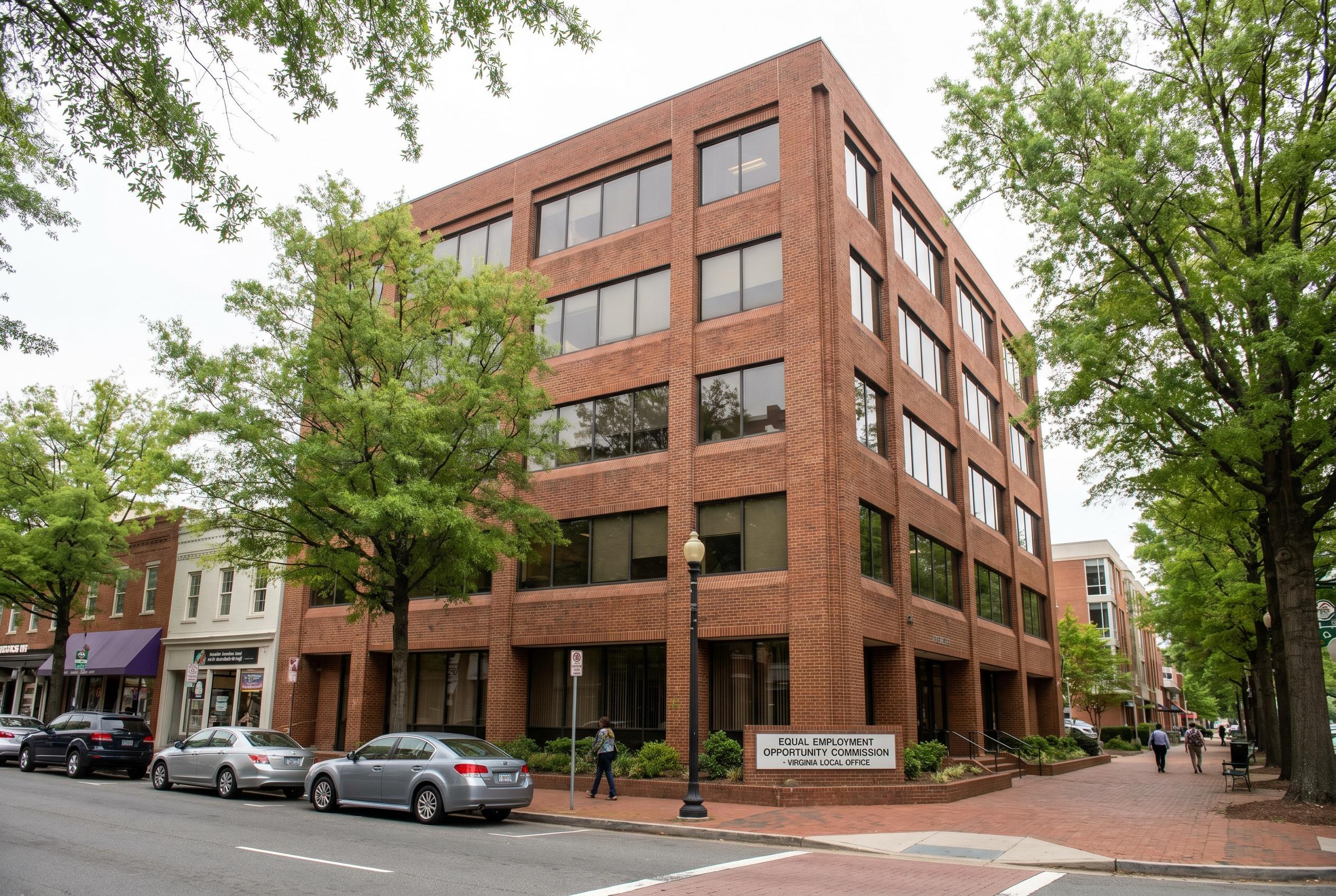
Watching a federal agency wrestle with diversity programmes matters to every employee and employer; a new complaint asks whether the EEOC chair used her office to intimidate firms and sideline LGBTQ+ discrimination claims, and it could reshape how companies handle DEI across the US.
Essential Takeaways
- Formal complaint filed: The Legal Accountability Center has lodged a complaint with the Virginia State Bar alleging EEOC Chair Andrea Lucas abused her authority.
- Letters challenged: Lucas sent EEOC-letterhead requests to 20 major law firms seeking DEI-related documents, which critics say were coercive rather than investigatory.
- Scope of investigations narrowed: The complaint says Lucas instructed staff not to pursue disparate-impact claims or many LGBTQ+ discrimination complaints unless tied to hiring, firing, or promotions.
- Possible consequences: If the Bar finds misconduct, Lucas could face public discipline or licence suspension, though that wouldn’t remove her EEOC role.
- Practical fallout: Firms may now reassess how they respond to agency inquiries and whether to continue visible DEI programmes.
Why this complaint landed at the Virginia Bar , and why it matters
The Legal Accountability Center asked the Virginia State Bar to look into Andrea Lucas’s conduct, arguing her actions crossed from policy into potential lawyer misconduct. That matters because Lucas is a Virginia-licensed attorney and signed official EEOC letters on letterhead. The complaint says those letters went beyond mere information-gathering and reached into public pressure tactics that could chill DEI work.
Backstory: the EEOC has statutory duties under Title VII, and critics say the chair’s moves contradict that mandate. If the Bar pursues discipline, it would be notable: a professional sanction is public and could dent the chair’s credibility, even if it doesn’t change her EEOC appointment. For companies and advocates, the probe signals that internal ethics rules can be another check on federal officials.
The letters: information request or intimidation?
In March, Lucas sent signed letters to two dozen major law firms asking for details about their diversity, equity and inclusion programmes. Recipients told reporters the letters looked formal and alarming , they were on EEOC letterhead and suggested DEI practices might violate Title VII.
Context: the EEOC itself posted news of those letters, and legal outlets unpacked the approach. The Legal Accountability Center argues that, without a pending charge, the commission lacked authority to demand those materials. Practically, firms now face a choice: comply and reveal internal DEI structures, or challenge an agency that appears to be using public pressure rather than formal investigatory steps.
What the complaint says about disparate-impact and LGBTQ+ cases
The complaint alleges Lucas instructed investigators not to pursue disparate-impact claims , cases where a neutral policy disproportionately harms a protected group , and to limit LGBTQ+ charges unless they involve hiring, firing or promotions. That’s a striking narrowing of the EEOC’s traditional reach, and critics point to a leaked memo as evidence.
Why that’s important: disparate-impact claims have been central to fights over systemic bias for decades. Pushing claimants to file their own lawsuits , with their own lawyers and costs , reduces access to enforcement for people without resources. For LGBTQ+ employees, the complaint suggests some forms of workplace discrimination could go uninvestigated under current guidance, altering the practical protection Title VII provides.
Legal and business fallout if the Bar agrees with the complaint
If Virginia’s Bar finds Lucas violated professional duties, potential sanctions range from a public reprimand to licence suspension. Michael Teter of the Legal Accountability Center told Reuters a public sanction could blunt the perceived authority of Lucas’s letters and make firms less likely to bow to EEOC pressure absent formal charges.
Business tip: counsel and HR teams should consult outside counsel when agencies request sensitive policy documents. Even if a letter arrives on official stationery, organisations can ask whether there’s a formal charge or legal basis before producing privileged or internal material.
Wider trend: conservative reshaping of civil-rights enforcement
Andrea Lucas was nominated by former President Trump and explicitly spoke about shifting to a conservative view of civil rights. That shift is part of a broader pattern where agencies reinterpret enforcement priorities. The EEOC’s recent decision allowing single-sex federal restrooms in some contexts and the earlier letters to Fortune 500 firms show a coordinated de-emphasis on certain protections.
What to watch next: how courts respond if pushed cases arrive without EEOC backing, whether the Virginia Bar opens a full probe and whether companies alter their DEI visibility. For employees, the practical concern is whether workplaces will feel safer or more exposed depending on how enforcement and firm choices evolve.
It's a small change in procedure that could make every workplace's approach to DEI and discrimination look quite different.
Source Reference Map
Story idea inspired by: [1]
Sources by paragraph: