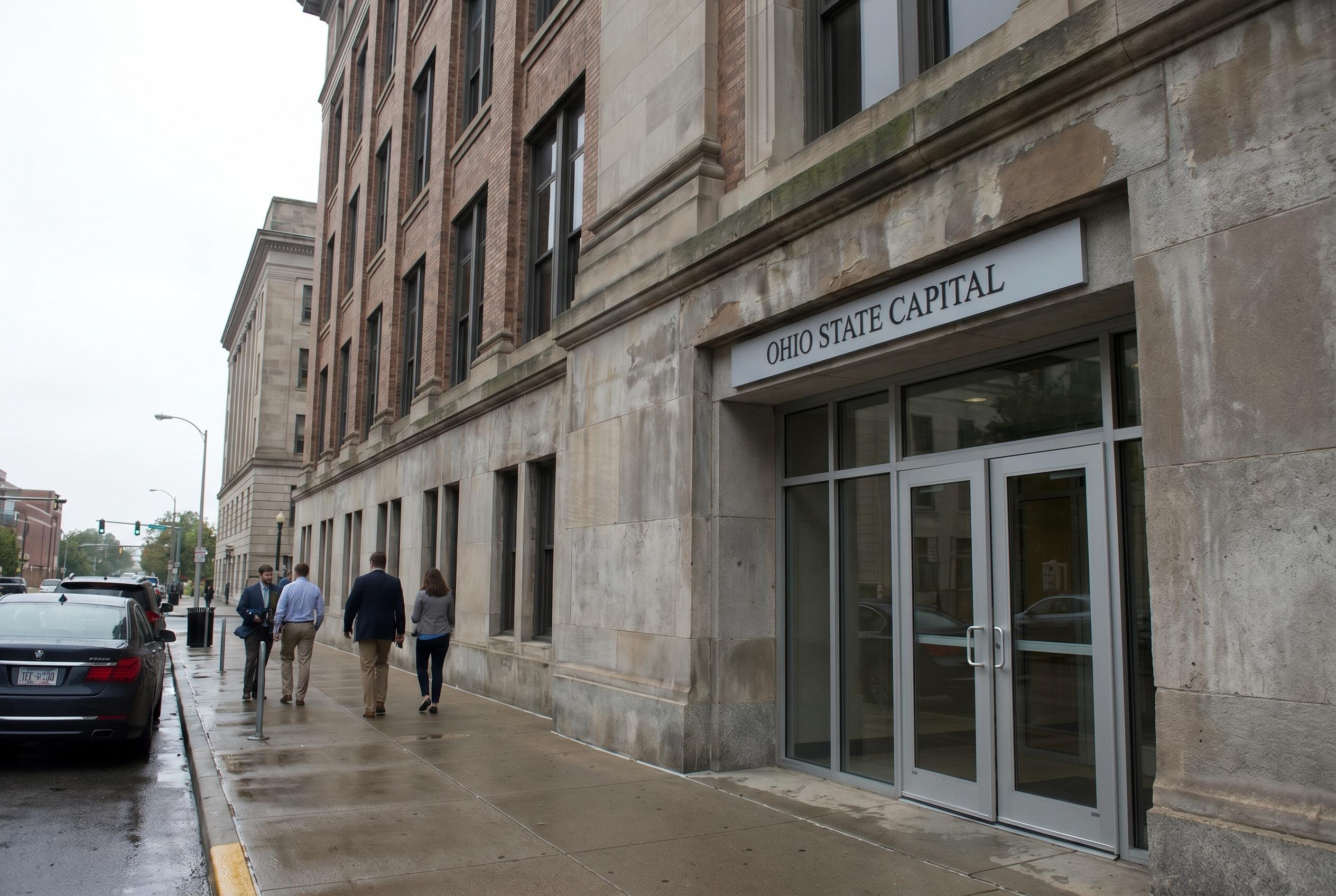
Shocked citizens are packing the Statehouse to oppose HB 249, sharing personal stories of bullying, legal concern and fear , and showing why testifying still matters. Here’s what happened, who spoke up in Columbus, and practical tips if you’re thinking of taking your own seat at the microphone.
- What happened: Ohio’s House Judiciary Committee advanced HB 249, limiting drag and gender performances in public spaces, after a three-hour hearing with just 16 in-person speakers. Many described a hostile hearing room and aggressive questioning.
- Emotional tone: Witnesses reported feeling demeaned, angered and sometimes energized; several were testifying for the first time and came away determined to keep showing up.
- Legal concerns: Attorneys and civic groups warned the bill’s language is vague and may conflict with the First Amendment and equal protection principles.
- Practical tip: If you plan to testify, prepare a short, clear statement, bring written testimony, and expect limited time; you can also submit written comments if in-person testimony feels daunting.
- Community impact: Testimony isn’t only policy-speak , it’s a way to humanise the issue and remind lawmakers these are neighbours, parents and workers, not abstractions.
Why the hearing felt so charged , and what witnesses said
The most striking detail from the March session was the tone: people in the public gallery said lawmakers, notably Representative Josh Williams, repeatedly questioned and belittled witnesses. Several first-time testifiers described feeling bullied or disrespected while trying to explain how the bill would affect real lives. The emotional texture , anger, outrage, quiet resolve , was plain to see and hear.
That tension didn’t stop the committee from moving the measure forward. According to public reports, HB 249 passed out of committee and later the full House along largely party lines. Critics argue that this kind of theatre-like hearing chills civic participation and discourages ordinary Ohioans from engaging in the policymaking process.
Legal red flags everyone mentioned , and why they matter
Lawyers who testified flagged vagueness and constitutional problems. They said phrases in the bill could be interpreted inconsistently, creating uncertainty for performers, venue owners and the public. Those are the sorts of legal weaknesses that invite lawsuits and arbitrary enforcement.
Advocates pointed to First Amendment concerns and the equal protection clause as likely battlegrounds if the bill becomes law. If you want to get technical, experts recommend documenting concrete examples of how ambiguous language could be applied so courts, media and advocates have clear instances to analyse.
The human stories that turned heads in the gallery
Beyond legal briefs, the hearing featured personal testimony from drag artists, parents, and trans Ohioans who described being made to feel unsafe in public spaces. One witness travelled hours to speak; another was testifying while visibly pregnant. Those human details are what stick with audiences more than legal jargon , and they’re precisely why many community members say they’ll keep showing up.
Those who testified reported a mix of reactions: anger at the treatment they received, relief at getting their message across, and a steely determination to protect community joy and safety. It’s a reminder that policymaking is as much about people as precedent.
Thinking of testifying? Practical, short advice
If you’re considering testifying , in person or in writing , here are a few quick, practical steps that make it less intimidating and more effective:
- Keep your in-person remarks tight: aim for a clear one- to three-minute message with one strong example.
- Submit written testimony: attach fuller context and citation to back up claims so committee members can read the detail later.
- Bring a support person: having friends in the gallery helps morale and creates a visible community.
- Expect procedural limits: committees sometimes cap speakers or time; check deadlines at the legislature’s website and arrive early.
- Stay calm and factual: hostile questioning can happen; remaining composed helps your point land.
What’s next , and why continued participation matters
HB 249 now moves to the Ohio Senate, where similar hearings and opportunities to submit testimony are likely. Civic groups and legal organisations are tracking developments, preparing briefs and warning of legal challenges if the bill advances. For many advocates, the fight isn’t only about one statute , it’s about ensuring the people most affected by policy can be seen and heard.
Showing up for testimony may feel risky, but those who have done it say the payoff is tangible: you humanise an issue, you build a record for courts and you inspire others to act. Politics can be bruising, but the steady presence of witnesses in the gallery has a way of shifting the conversation over time.
It’s a small act, but testifying keeps public power accountable , and for many Ohioans, that’s worth the trip to the Statehouse.
Source Reference Map
Story idea inspired by: [1]
Sources by paragraph: