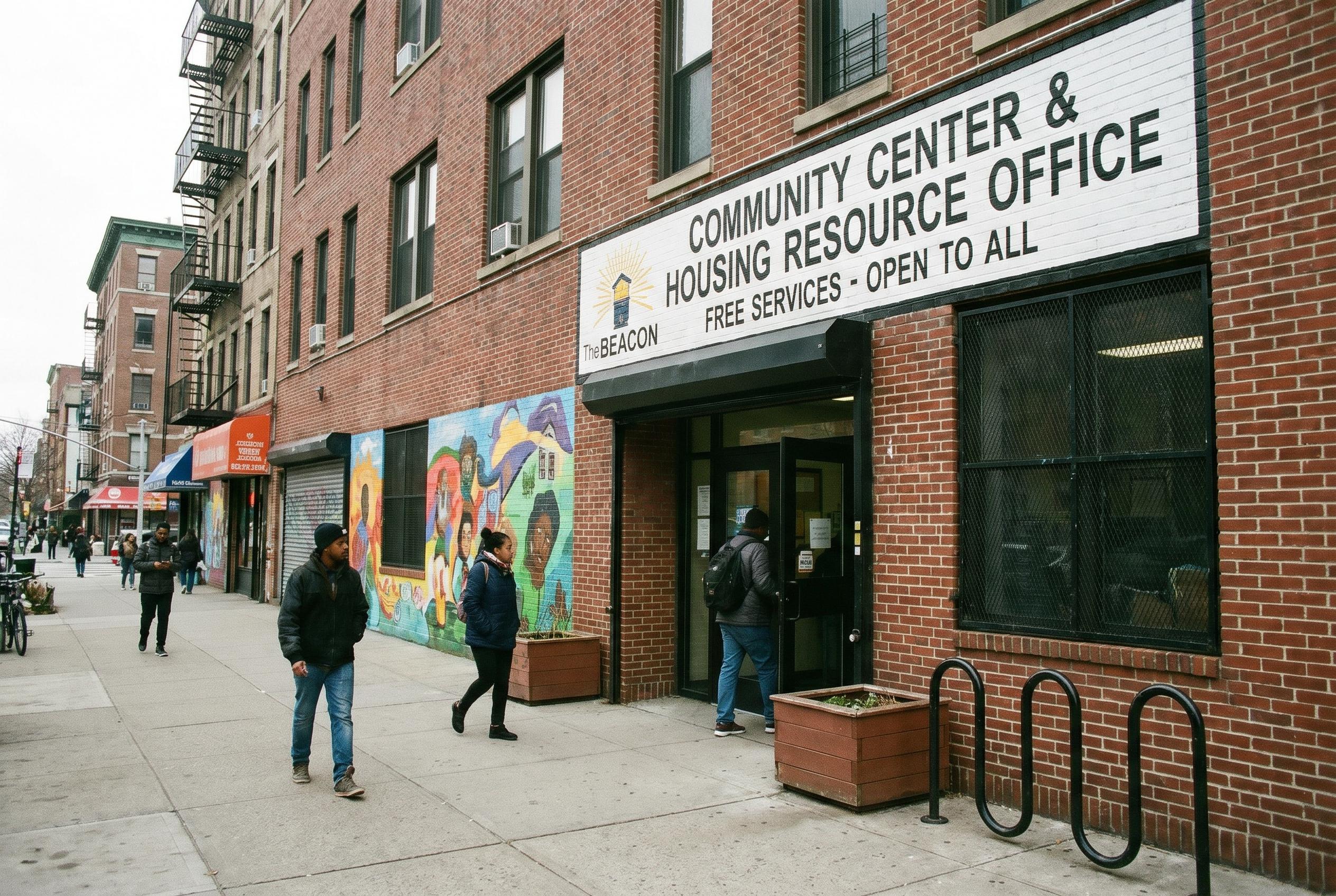
Shoppers for justice are organising: advocates, state attorneys general and LGBTQ+ groups are mobilising against a Trump administration HUD proposal that would let federally funded shelters and housing providers deny services to people based on sexual orientation or gender identity , a move that could push already vulnerable people further into the streets.
Essential Takeaways
- What’s proposed: A HUD rule would let federally funded shelters and housing providers turn away people, including transgender individuals, based on sex, sexual orientation or gender identity.
- Who’s speaking up: National advocacy groups, state attorneys general and the Human Rights Campaign have condemned the plan as unlawful and dangerous.
- Practical harm: Experts warn it could increase homelessness, drive up local costs for hospitals and social services, and expose people to violence and abuse.
- Local action matters: State and local governments can push back through litigation, policy, and funding conditions, with quick wins already visible.
- On-the-ground cues: Shelters and service providers are preparing by reviewing policies, training staff and boosting confidentiality and safety measures.
Why this HUD proposal feels different , and alarming
This proposal reaches into everyday life with a blunt rule: federal funding could be tied to letting providers refuse service to people based on who they are or who they love, and that hits transgender people in particular. The Human Rights Campaign warned the plan would put transgender lives at risk, stripping protections from people who already face higher rates of homelessness and violence. The emotional effect is immediate , the idea of being refused a bed or a home because of identity is both cruel and destabilising.
Historically, the original Equal Access Rule aimed to ensure people could seek shelter consistent with their gender identity. Rolling that back would reverse years of policy designed to reduce harm. For advocates, it’s not a hypothetical , it’s a policy shift that could mean more people sleeping rough and more strain on emergency services.
Who’s pushing back and how they’re doing it
State attorneys general and civil-rights organisations have been quick to condemn the move. California’s attorney general issued a sharp rebuke, and national groups are lining up to challenge the change in court or through public comment. Human Rights Campaign materials and press responses frame this as both illegal and dangerous, arguing that the rule undermines existing civil-rights frameworks.
Legal challenges are likely to focus on whether the rule conflicts with federal anti-discrimination statutes and constitutional protections. Meanwhile, states and cities might use their own funding levers to protect access to services for LGBTQ+ people. That mix of litigation and local policy is a familiar playbook that’s already produced results in prior fights over equal-access rules.
The real-world consequences for shelters and services
Shelters forced to adopt exclusionary policies risk creating more chaos than they prevent. Advocates point out that pushing people out of shelter into the street increases costs for hospitals, law enforcement and social services, and it raises the likelihood of violence against marginalised people. There’s also a practical effect on service delivery: staff safety, confidentiality and intake procedures would all need urgent rethinking.
For providers, the sensible steps are immediate: review intake forms, train frontline staff on de-escalation and privacy, and build clear referral networks so people aren’t left without options. Local authorities can also step in with funding conditions that require non-discrimination clauses, offering a buffer while federal policy battles play out.
What community groups and individuals can do now
If you want to help, there are concrete actions that matter. Submitting public comments during rulemaking periods actually influences outcomes, and advocacy groups often circulate template responses to make participation easy. Local campaigns can pressure councils and housing authorities to adopt non-discrimination policies and to fund inclusive shelters. Legal clinics and pro bono attorneys may be needed to support rapid responses.
Small, practical gestures add up too: volunteers can support warm-weather shelters, donate safety supplies, or help with referrals to LGBTQ+-friendly housing resources. These on-the-ground measures keep people safer today while structural fights continue.
Looking ahead: how policy fights usually resolve
Past attempts to roll back protections have met both political and legal resistance, and the outcome often depends on courts, public pressure and whether states step in to uphold protections. Advocacy groups like the Human Rights Campaign and local legal projects are ready to litigate or seek administrative remedies. That combination , lawyers in courtrooms, advocates in the media, and communities organising locally , has a track record of stalling or reversing harmful rules.
For tenants and service users, the near-term reality is uncertainty, so preparing by knowing local rights and contacts is sensible. For organisers, it’s a reminder that policy fights are long games punctuated by immediate, practical needs.
It's a small change to policy with enormous human cost , and activists are already proving it’s one worth fighting.
Source Reference Map
Story idea inspired by: [1]
Sources by paragraph: