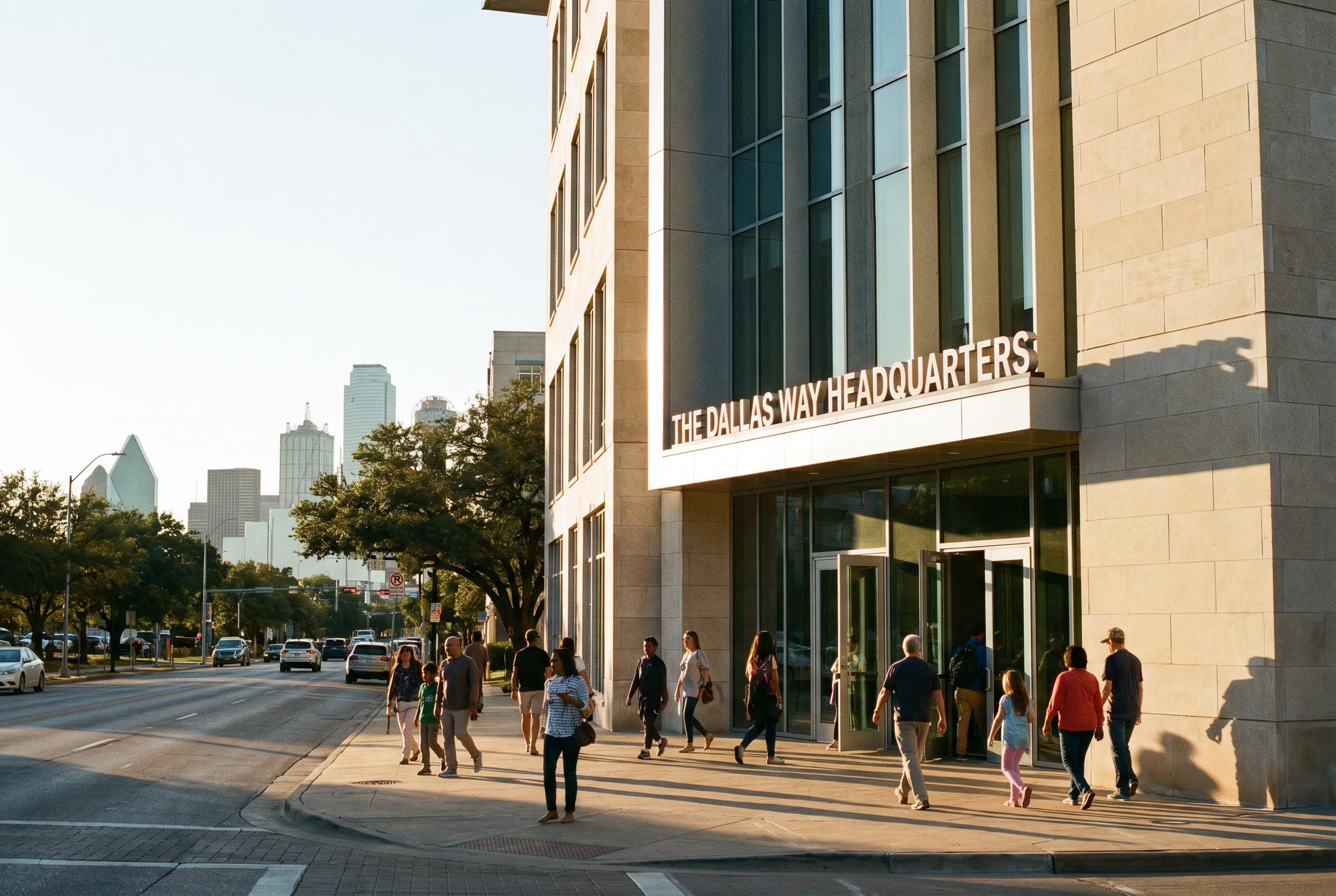
Spot a new wave of activism: Outrageous Oral, The Dallas Way’s long-running local-history salon, is spotlighting under-30 leaders in Dallas’s LGBTQ+ community , and it matters because these young people are already shaping advocacy, health work and culture across the city.
Essential Takeaways
- Big boost: Former City Councilman Ed Oakley pledged $1,000 per attendee in their 20s and wrote a $20,000 cheque to support The Dallas Way.
- Fresh voices: Speakers included attorney Haley Ablon, DSQO founder Javier Enriquez and Abounding Prosperity staffer Christopher Walker , all under 30 and active in advocacy or services.
- Hard stories, hopeful work: Presentations touched on conversion therapy, HIV diagnosis and community-building programmes that turned trauma into activism.
- Community hubs matter: Organisations like DSQO and Resource Center’s FUSE help turn young people’s experiences into events, jobs and civic engagement.
- Practical feel: The event is intimate, conversational and a good way to meet volunteers, organisers and potential mentors.
Why Outrageous Oral now feels more like a movement than a lecture
Outrageous Oral has always mixed oral history with candid storytelling, but this edition made youth the headline act, and you could feel the room listening hard. The voices were immediate , sometimes raw, sometimes wry , and they brought a close-up view of what the next decade of activism might look like.
The Dallas Way curated the line-up to intentionally lift younger leaders, and that matters because institutions often default to older, established figures. Events like this swap ceremony for conversation and give younger people a real stake in their local narrative. If you want to meet emerging leaders rather than read about them later, this is the place to start.
The cheque that changed the tone , why Ed Oakley’s pledge mattered
When former City Councilman Ed Oakley offered $1,000 for each attendee in their 20s, it was more than a headline-grabbing gesture. It sent a clear signal that intergenerational support is needed, and that established allies are willing to back it financially. By the end of the night he had written a $20,000 cheque to The Dallas Way.
These moments make space for young people to network and scale projects. They also nudge other donors: seeing a public figure invest in youth can shift private giving and inspire matching gifts. For grassroots organisers, that kind of visible trust is as useful as funding itself.
Three speakers to remember , different paths, similar resolve
Haley Ablon, Javier Enriquez and Christopher Walker each brought a different texture to the evening. Ablon, an attorney who interned at Lambda Legal, talked about entering professional life secure in family acceptance but still learning how to give back. Enriquez traced his route from Resource Center’s FUSE programme, through the trauma of conversion therapy, to founding DSQO, a social organisation that now runs events all year. Walker, a preacher’s kid who moved from Memphis after an HIV diagnosis, described work in HIV research and current service at Abounding Prosperity.
Their stories underline an important point: activism isn’t one-size-fits-all. Some come at it through law, others through community organising or health services. Together they show the ecosystem that keeps Dallas’s LGBTQ+ life resilient.
Why community programmes and social groups still win
Organisations such as DSQO and Resource Center’s youth programmes are quietly doing a lot of the heavy lifting: mentorship, social safety nets and pathways into paid roles. Enriquez’s DSQO, which produces dozens of events a year, is a reminder that social connection often becomes the seedbed for leadership.
If you’re thinking practically about support, volunteer your time, donate a small recurring sum or show up to events. These groups are where trust is built, and that trust helps young people move from attendance to leadership.
How to get involved and why it’s worth your time
Want to meet these leaders or encourage younger people to attend? Bring someone in their 20s, show up early to chat, or offer a small donation in support. The event format is deliberately conversational, so it’s easy to start a one-to-one with a speaker or organiser.
For anyone who cares about local history and the future of LGBTQ+ advocacy, engaging now means you’ll know the names and faces shaping tomorrow’s policies, programmes and culture.
It's a small change that can make every voice louder.
Source Reference Map
Story idea inspired by: [1]
Sources by paragraph: